
Bitcoin staking project Babylon has teamed up with the largest decentralized lending protocol Aave, allowing BTC to be used directly as collateral without wrapping or centralized custody.
Beyond lending, Babylon is also preparing to extend its vault design into decentralized finance (DeFi) insutance, allowing BTC to serve as collateral for coverage against protocol hacks. BTC would be deposited into insurance pools would earn yield if no payouts occur, while providing liquidity for claims when hacks happen.
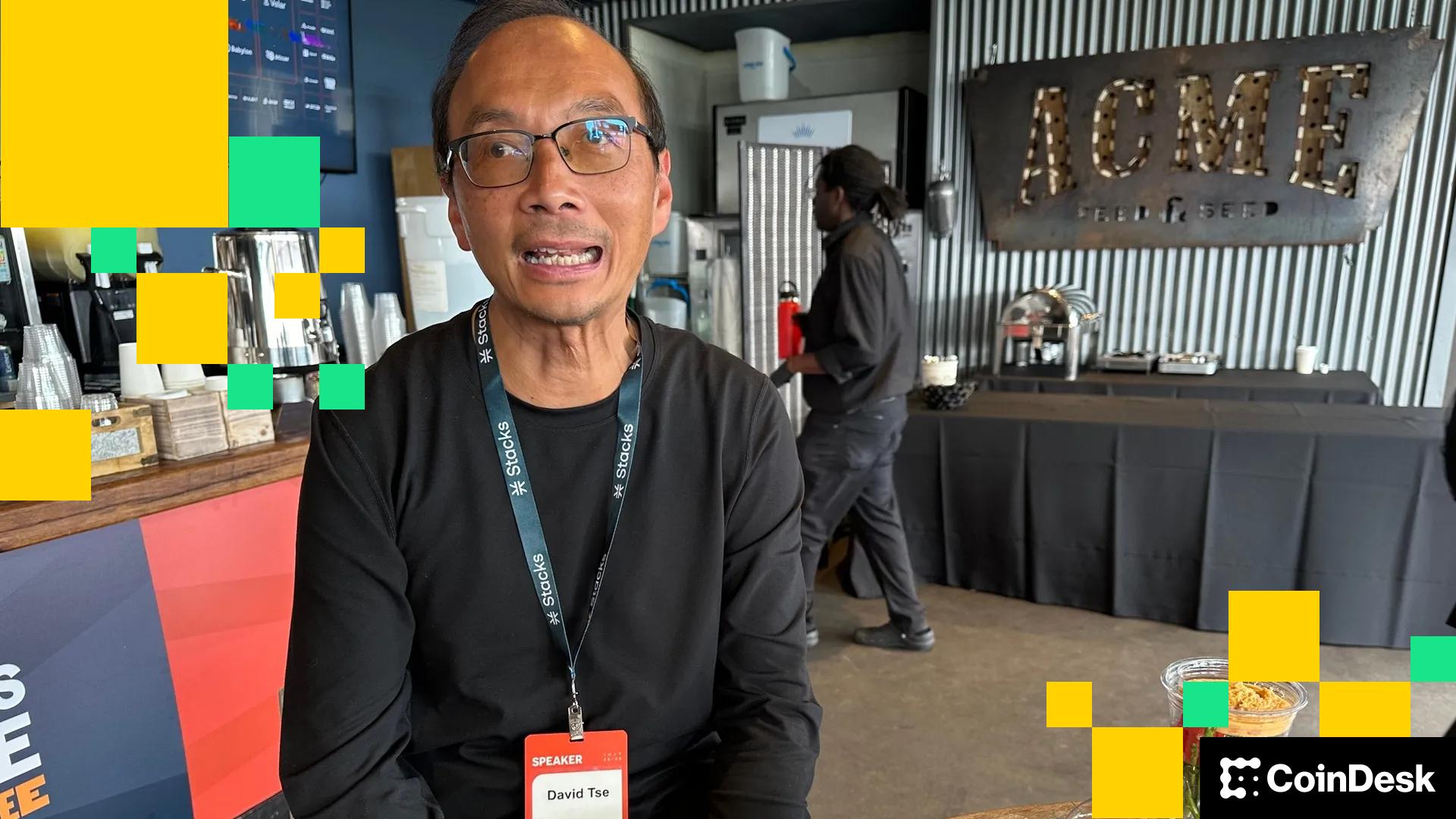
That initiative is in development and expected to be announced by January 2026, Babylon co-founder David Tse told CoinDesk in an interview.
Babylon and Aave team up to reshape BTC lending
Although BTC-backed lending has become a multibillion-dollar sector, much of that activity relies on custodial models, whereby users are given a tokenized version of the bitcoin. Even the largest of these — Wrapped Bitcoin (WBTC) — constitutes far less than 1% of bitcoin’s total market cap, a key limitation for DeFi protocols hungry for deeper liquidity.
Unlocking native BTC, as opposed to a wrapped version of bitcoin, could reshape lending markets, Tse told CoinDesk.
“Even 5% of Bitcoin’s supply entering lending protocols would be enormous compared to what’s available today,” Tse said.
Babylon’s own Bitcoin staking product secures over 56,000 BTC ($5.15 billion), suggesting healthy demand for productive BTC use cases. Users, Tse said, “want to hold Bitcoin while earning on it,” and lending is the most natural starting point.
The project is teaming up with Aave to combine the former’s trustless vaults — which enable native bitcoin to be put to work elsewhere in the blockchain ecosystem — and the latter’s “hub and spoke” architecture. Babylon will build a dedicated Bitcoin-backed “spoke” into Aave’s lending “hub”, enabling users to deposit actual Bitcoin on its base chain while borrowing stablecoins and other assets on Aave’s markets.
Testing is set to begin in early 2026, with a view to unveiling the product around April.