
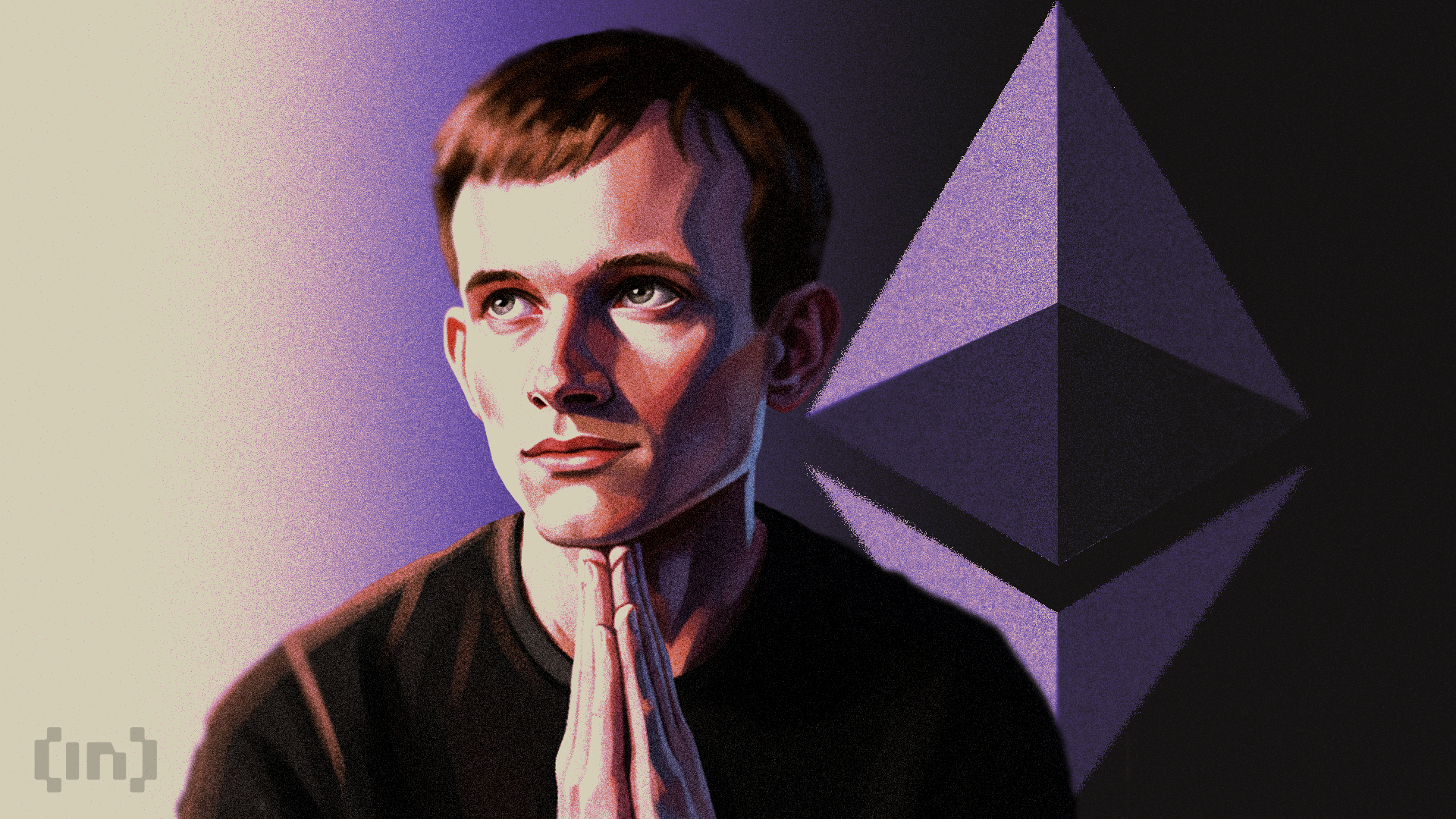
Ethereum co-founder Vitalik Buterin has marked 2026 as the year the blockchain will reclaim its “cypherpunk” origins.
On January 16, Buterin unveiled a technical roadmap designed to reverse what he described as a decade of “backsliding” on decentralization.
Sponsored
Sponsored
How Ethereum Plans to Fix Its Compromises
The Ethereum co-founder admitted that the network’s pursuit of mainstream scalability compromised its foundational promise of self-sovereignty.
According to him, the current ecosystem leaves users dangerously reliant on centralized infrastructure to interact with the ledger. This dependence centers on trusted servers and Remote Procedure Calls, or RPCs.
This architecture forces users to trust third-party data providers rather than verifying the chain themselves.
To dismantle this reliance, the 2026 roadmap prioritizes the deployment of Helios and Zero-Knowledge Ethereum Virtual Machines (ZK-EVMs).
These technologies aim to democratize the “full node” experience, allowing standard consumer hardware to verify incoming data using Bridges and Local Verification (BAL).
Sponsored
Sponsored
By shifting verification to the edge, Ethereum aims to eliminate the need for users to blindly trust centralized gateways such as Infura or Alchemy.
The roadmap also introduces aggressive “privacy UX” features that could place the network at odds with data-hungry analytics firms.
So, Buterin proposed integrating Oblivious RAM (ORAM) and Private Information Retrieval (PIR). These cryptographic protocols allow wallets to request data from the network without revealing specific access patterns, effectively blinding RPC providers to user activity.
This move is designed to prevent the “selling off” of user behavioral data to third parties.
On the security front, the network will standardize on social recovery wallets and time locks. These tools aim to make fund recovery intuitive without reverting to centralized custodians or cloud backups that could be “backdoored by Google” or other tech giants.
Additionally, Ethereum will harden user interfaces by using decentralized storage protocols such as IPFS. This reduces the risk of hijacked front ends that could lock users out of their assets.
While he cautioned that these improvements might not arrive with the immediate next release, the 2026 agenda represents a fundamental re-architecting of how the world’s second-largest blockchain handles trust.
“It will be a long road. We will not get everything we want in the next Kohaku release, or the next hard fork, or the hard fork after that. But it will make Ethereum into an ecosystem that deserves not only its current place in the universe, but a much greater one,” he stated.