

In brief
- Protocol Theory data show that Gen Z prioritizes asset control, verification, and safeguards.
- A 2024 Pew Research study found that crypto use is concentrated among younger adults, with trust varying by age and experience.
- Mortgage lenders and regulators are beginning to assess how crypto holdings factor into borrower risk and qualification.
Younger generations in the U.S. use and trust crypto more than traditional finance, with their habits shaped by access, control, and how they manage assets.
Data from consumer-focused crypto research firm Protocol Theory show that Gen Z, the youngest adult age group, prefers being able to check what goes on with their assets, have control over how they are held, and choose between self-custody and regulated providers.
The data show what the research firm describes as “genuine preference,” with 49% of Gen Z having used a crypto exchange and 37% currently owning or using crypto.
Within the group, preferences are not fixed to a single approach. The research firm found that 56% of Gen Z want to hold assets themselves, while 51% also prefer storing crypto with a bank or regulated provider.
BTC
-7.31%$89,847.62
The trend “reflects real economic constraints, especially where younger people feel shut out of legacy pathways,” Jonathan Inglis, CEO of Protocol Theory, told Decrypt, adding that the data point to “agency and control” as primary drivers.
“Trust in crypto is clearly generational,” Inglis said, noting that 22% of Gen Z and 24% of Millennials trust crypto more than banks to “safeguard their assets” compared with 13% of Gen X and just 5% of Boomers.
That makes Gen Z “almost twice as likely as Gen X, and more than five times as likely as Boomers, to place primary trust in crypto,” he added.
Those preferences sit alongside broader public skepticism about crypto.
Pew Research Center data from 2024 show that views on the safety and reliability of cryptocurrency vary widely among Americans, with confidence varying across age groups.
Adults 50 and older are more likely to report low confidence than those younger, while overall usage remains limited, with 17% of U.S. adults saying they have invested in, traded, or used crypto, concentrated among younger people with direct exposure.
Pew’s data also show these usage levels have remained unchanged over the past three years.
Adults aged between 18 and 29 account for 29% of crypto use, versus about 8% among those over 50, a gap of more than three to one.
American dream?
The younger generation’s preferences are beginning to surface in housing finance, where crypto holdings are starting to register relevance.
Newrez, a U.S. mortgage lender with roughly $778 billion in servicing volume, told Decrypt on Wednesday it would begin factoring BitcoinBitcoin and EthereumEthereum holdings into certain mortgage qualifications.
The lender’s president, Baron Silverstein, said the move was aimed at Gen Z, claiming that there is a “higher and higher percentage of crypto assets” among future home buyers compared with older generations.
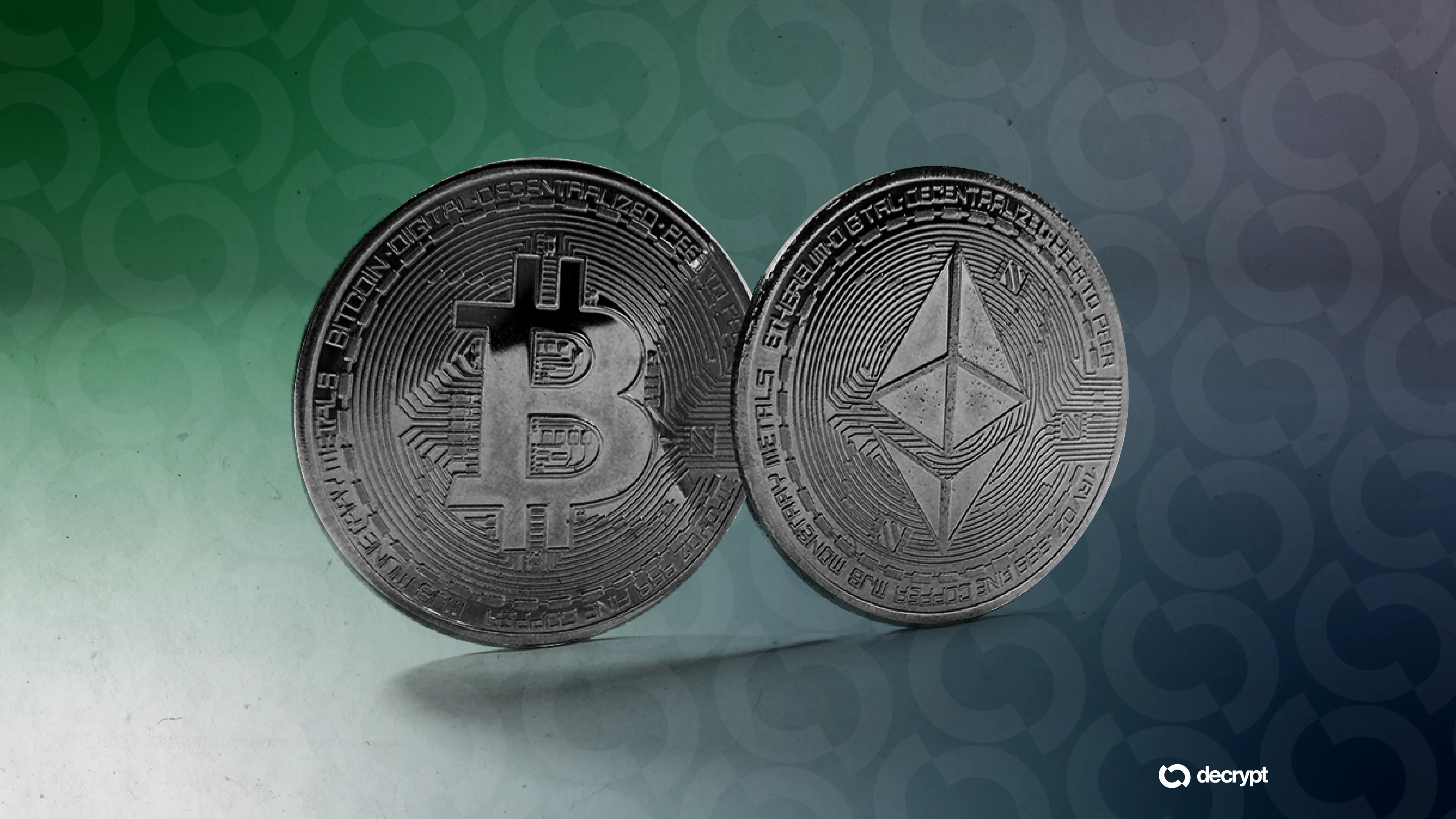
Younger Americans may find it increasingly difficult to afford a home, but Newrez, a national wholesale mortgage lender, thinks Bitcoin and Ethereum could change that.
The firm—which serviced a $778.3 billion portfolio of 3.7 million loans, as of last year—recently signaled that it would begin assessing both cryptocurrencies for mortgage qualification. Last week, it billed itself as the first major provider of mortgages in the U.S. to do so.
That means the company intends to view Bitcoin and Eth…
In June last year, Bill Pulte, director of the U.S. Federal Housing Finance Agency, confirmed that the agency will examine how crypto holdings should be treated in mortgage risk assessments.
On Tuesday, President Donald Trump signed an executive order restricting large Wall Street firms from buying single-family homes, with the agenda nudging Congress to shuffle through legislative priorities.
“Homes are built for people, not for corporations,” Trump said in a statement.
Trusting their future
Consumer data on crypto, alongside housing and regulatory decisions, suggest that questions of trust and control may be moving beyond everyday usage into longer-term financial outcomes.
“Trust holds when users can verify what is happening and retain control,” and breaks “when people feel they are carrying full responsibility without usable safeguards, clear recourse, or predictable access,” Inglis said.
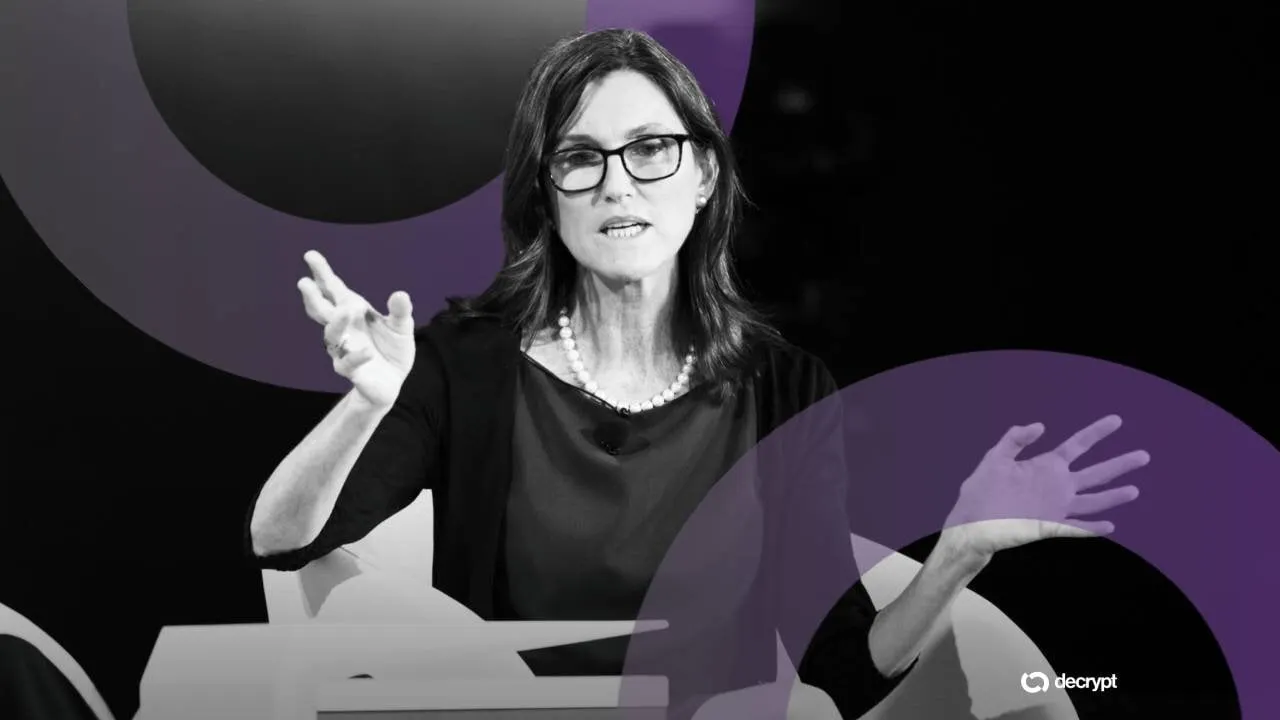
Bitcoin, decentralized finance applications, and tokenized real-world assets are poised to dominate crypto development in 2026, with experts saying regulatory clarity will determine whether innovation translates into mainstream adoption.
ARK Invest’s latest research report, dubbed “Big Ideas 2026,” forecasts the digital asset market could balloon to $28 trillion by 2030, with Bitcoin commanding 70% of that market at roughly $16 trillion.
The projections from Cathie Wood’s investment management f…
A recent survey from crypto exchange OKX reaches similar conclusions, with the study finding adults under 45 report higher trust in crypto platforms than those ages 50 and older.
“Gen Z and younger Millennials grew up in a digital world where trust is earned through what you can verify,” an OKX spokesperson told Decrypt, adding that those generations “tend to prioritize security, transparency, and control.”
Daily Debrief Newsletter
Start every day with the top news stories right now, plus original features, a podcast, videos and more.