
Key Takeaways
- Hardware wallets store private keys offline, keeping crypto safe from hacks, malware, and phishing, making them a top long-term storage option in 2026.
- In 2026, hardware wallets use secure chips, touchscreens, and air-gapped designs, which improve both safety and usability across multiple blockchains and devices.
- Choosing a wallet depends on security, ease of use, supported coins, and connectivity, so users should match features with their storage needs.
As crypto adoption continues to grow, keeping digital assets safe has become a top priority. Hardware wallets are still one of the most secure ways to store crypto because they keep private keys offline, away from hackers, malware, and phishing attacks.
In 2026, hardware wallets have improved a lot. Many now come with stronger security chips, touchscreen displays, air-gapped designs, and wider support for multiple blockchains. The right choice depends on how much security you want, how easy the device is to use, which coins you hold, and how it connects to other devices.
In this article, we’ll explore the best cryptocurrency hardware wallets for 2026.
What is a Hardware Wallet?
A hardware wallet is a dedicated physical device that stores your cryptocurrency private keys in an offline environment, often referred to as “cold storage.” Instead of keeping keys on internet-connected devices like phones or computers, it generates and stores them securely inside the device and uses a built-in secure chip to sign transactions internally. This ensures your private keys are never exposed to the internet during use, significantly reducing the risk of hacking, malware, and phishing attempts.
When you want to send crypto, the transaction is created on your computer or mobile device, but it is only signed within the hardware wallet, keeping sensitive data isolated. This design means that even if your device is infected or compromised, attackers cannot access your funds without physical access to the wallet and its recovery phrase. As long as both are properly secured, your crypto remains protected.
Why You Need One In 2026
As crypto use grows, security risks are also increasing. In 2026, scams, malware, and exchange hacks are still common, especially on centralized platforms. A hardware wallet helps protect your assets by giving you full control and removing the need to trust third-party services.
Key benefits include:
- Offline key storage (cold storage): Your private keys are kept offline, away from the internet and hackers.
- Protection from remote attacks: Even if your phone or computer is infected, attackers can’t access your wallet.
- Full control over your funds: You manage your crypto directly rather than relying on exchanges.
- Backup and recovery: A seed phrase lets you restore your wallet if the device is lost or damaged.
Because of these features, hardware wallets are widely seen as the safest option for storing crypto long term.
Best Cryptocurrency Hardware Wallets For 2026
Trezor Safe 3
The Trezor Safe 3 is a secure hardware wallet built for users who want strong protection and wide crypto support. It uses an advanced EAL6+ certified security chip, which helps protect private keys from both online and physical attacks. It also works with privacy tools like Tor and CoinJoin, giving users more control over transaction privacy.
It supports over 8,000 cryptocurrencies and connects easily with popular software wallets for managing assets. While it lacks a touchscreen and offers limited support for certain networks, it remains a solid, affordable choice for long-term crypto storage with strong security features.
Cypherock X1
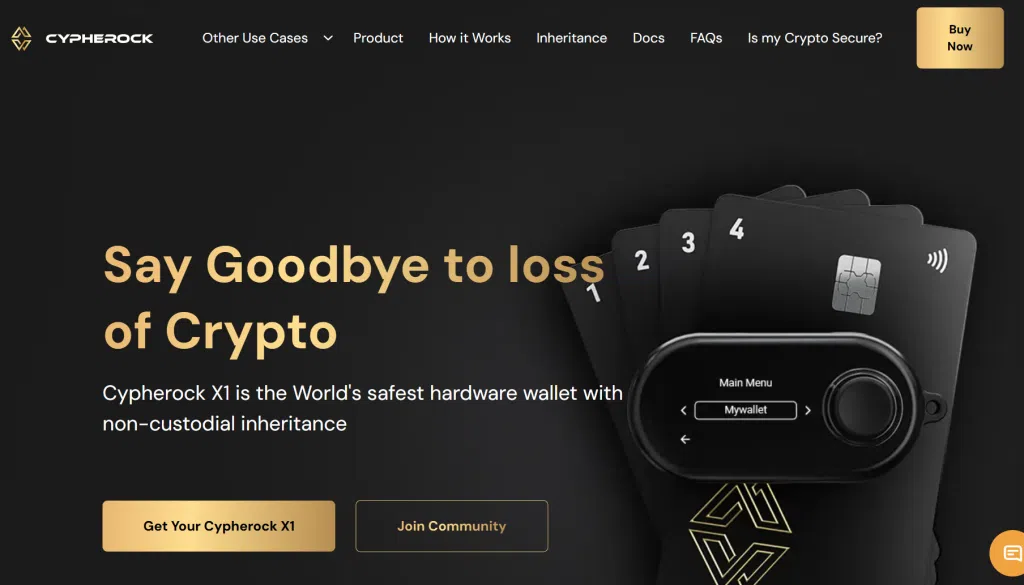
The Cypherock X1 focuses on high-level security by splitting your private key into multiple parts, each stored on a separate card. This means no single device holds your full key, making it much harder for hackers to access your funds. It also uses strong encryption to add another layer of protection.
This setup is designed for users who want maximum safety for their assets. It comes at a higher price, but the added security model makes it appealing for those who prioritize protecting large or long-term crypto holdings.
BC Vault
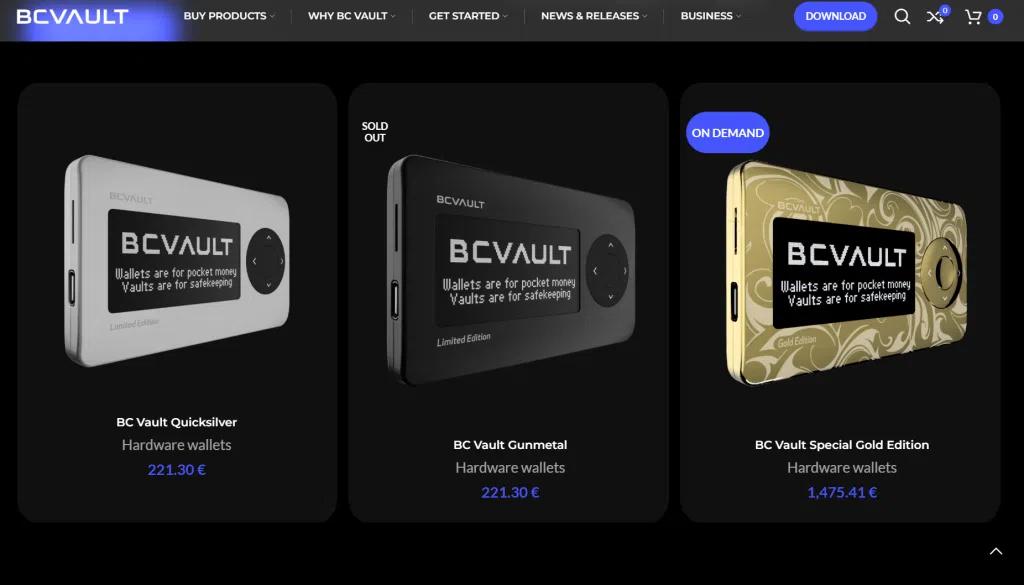
BC Vault is a secure hardware wallet designed to safely store a wide range of cryptocurrencies. It is developed with cybersecurity expertise and focuses on strong protection methods, including offline generation of private keys and multiple password layers for access control.
It also includes useful features like in-wallet asset swapping and long-term encrypted storage. While it is more expensive than many other wallets, its advanced security system and broad blockchain support make it a strong option for users who want both safety and flexibility.
Ledger Nano S Plus
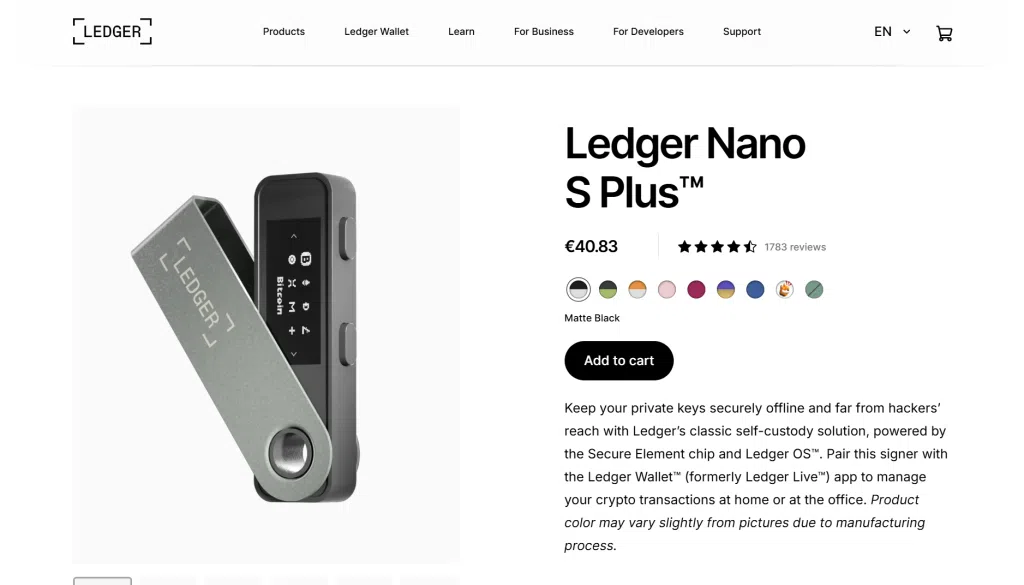
The Ledger Nano S Plus is a beginner-friendly hardware wallet that balances security and ease of use. It uses a CC EAL5+ certified security chip to protect private keys and supports a large number of cryptocurrencies and NFTs.
It does not have Bluetooth or a built-in battery, which keeps it simpler and more secure. However, it offers a larger screen and more app storage than earlier models, all at a lower price point. This makes it a practical choice for new and budget-conscious users.
Tangem Wallet
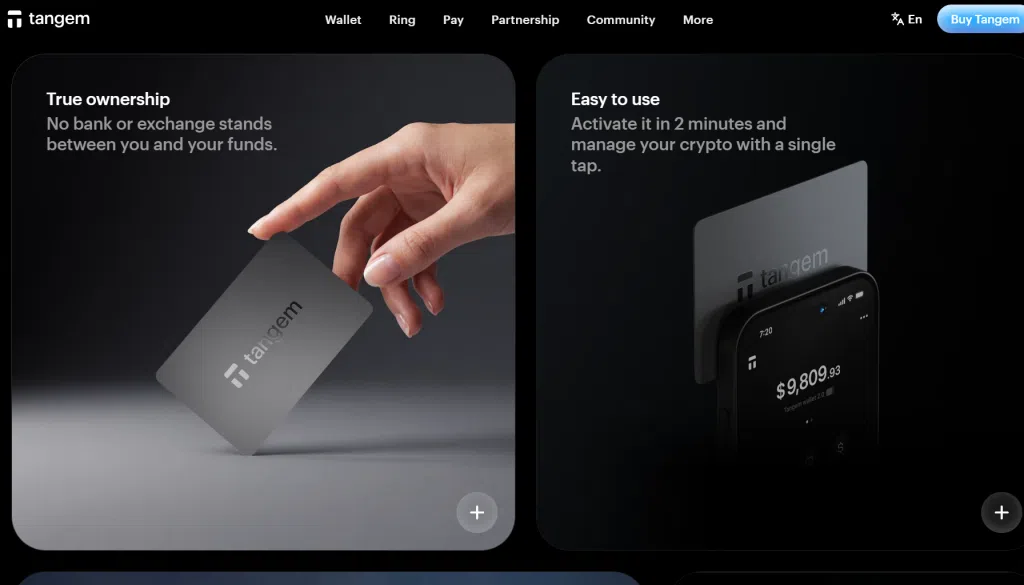
The Tangem Wallet is a card-shaped hardware wallet designed for simple and convenient crypto storage. It works by letting users manage their digital assets via a tap-to-use system on a smartphone, eliminating the need for cables, batteries, or complicated setups. Private keys are stored securely inside a built-in chip on the card, keeping them fully offline and protected from online threats such as hacking and malware.
This design focuses on combining strong security with ease of use, making it suitable for both beginners and everyday users. Its portable, credit card-like form allows users to carry it easily while still maintaining control over their assets. Tangem is a practical option for those who want secure crypto storage without having to deal with technical processes or complex wallet configurations.
How To Choose The Right Wallet
Choosing the right hardware wallet depends on your priorities, especially how you balance security, usability, and long-term storage needs.
1. Prioritize Maximum Security
If maximum protection is your main goal, prioritize wallets with air-gapped or fully offline designs. These reduce exposure to internet-based attacks by keeping the device isolated during key operations.
2. Focus On Simple, Easy Use
If you prefer a smooth setup and simple day-to-day experience, look for wallets with user-friendly interfaces, strong mobile or desktop app integration, and clear navigation.
3. Ensure Wide Coin Compatibility
If you manage a diverse crypto portfolio, choose a wallet that supports a wide range of blockchains and tokens to avoid needing multiple devices or platforms.
4. Choose Open and Transparent Design
If open-source development matters to you, select wallets that allow public review of their software and firmware to build trust and enable community verification.
5. Match Your Budget Wisely
Hardware wallets vary in price based on features and security design, so consider one that matches your budget while still meeting your essential security requirements.
Final Thoughts
In 2026, protecting your crypto is more important than ever, and hardware wallets remain among the most secure ways to do so. By keeping private keys offline, they greatly reduce exposure to hacks and give you full control over your assets. Each wallet offers different strengths, so the best choice depends on your needs, whether that is stronger security, easier use, or broader asset support. What matters most is choosing a reliable wallet that aligns with your strategy and keeps your crypto safe in the long term.
You Might Also Like: