

Blockchain games are moving toward shared online worlds where what players do in-game can also have real value. Instead of separate systems, newer MMO-style games now mix exploration, fighting, gathering, and trading into one connected economy powered by blockchain.
Kintara is a browser-based MMO on Solana that follows this idea, letting players jump into a live world with no downloads needed. You explore different regions, gather resources, fish, fight in PvP zones, and trade with others, using Gold for in-game use and $KINS for on-chain rewards, marketplace trading, and rare drops that add real value to gameplay.
What is Kintara?
Kintara is a browser-based isometric MMO built on Solana where players enter a live multiplayer world to explore, gather resources, fish, fight, and trade in real time. There is no download needed. You just connect a wallet and start playing.
The world has six regions, from safe hubs like the Mainland and calm fishing areas to high-risk Wilderness zones with PvP combat, stronger enemies, and loot loss on death. It uses Gold for normal gameplay and $KINS, a Solana token earned through trading, PvP, and rare drops, with most marketplace payouts going directly to players.
Kintara: A Step-by-Step Guide
Step 1: Connect Wallet and Select Server
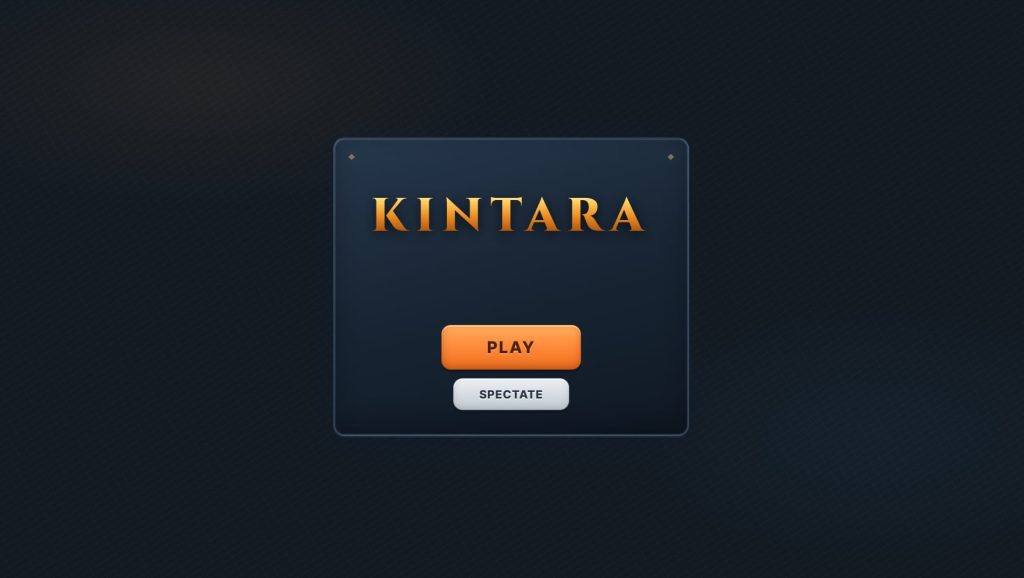
Start by opening Kintara in your browser and linking a Solana wallet such as Phantom. Set your in-game name, then pick a server where your account will load into a separate world instance. Inventory stays tied to your wallet across servers.
Note: A minimum of 1,000 $KINS is required to access the game.
Step 2: Earn Through Gameplay
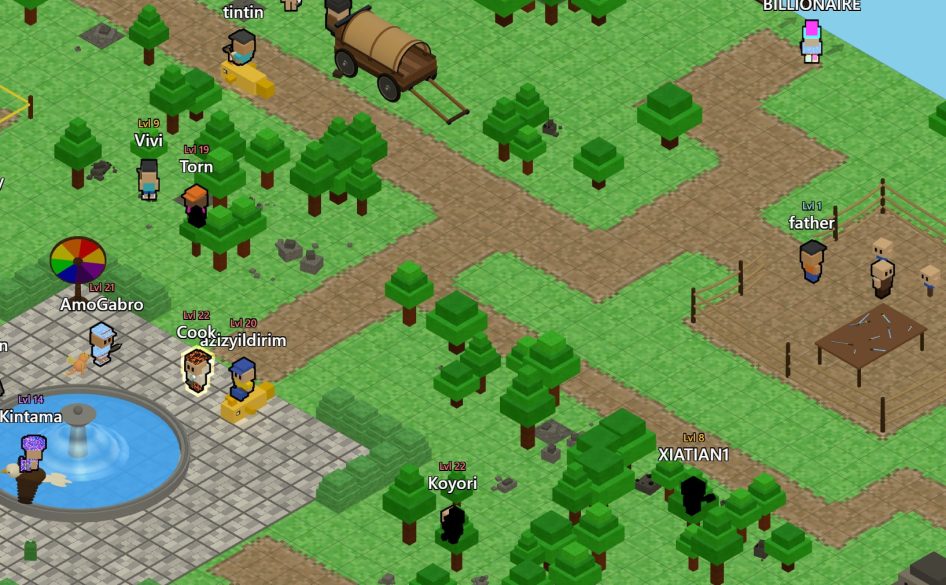
Kintara rewards all gameplay, letting you progress through different playstyles at your own pace. You can gather and mine resources, fish for skill gains and rare tradable mounts, fight Wilderness mobs for XP and loot, or join PvP wagers and Arena battles. Each action levels one of the game’s five core skills, driving progression and rewards.
Step 3: Daily Quest Routine
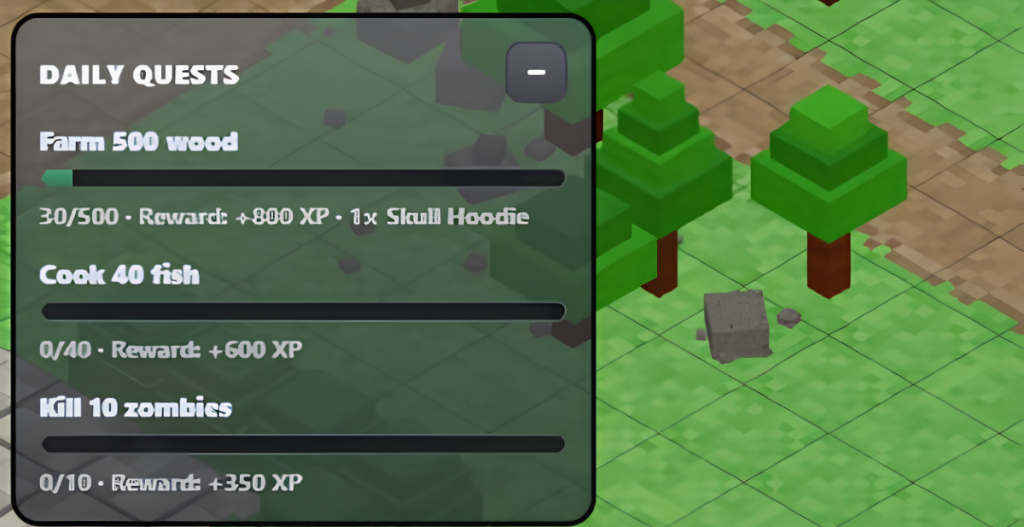
Each day, check your quests and complete small objectives across gathering, fishing, mining, and combat. They refresh every 24 hours and grant gold, XP, and occasional bonus rewards like badges. Efficient routing lets you tick off multiple objectives in a single session.
Step 4: Trade and Earn on the Marketplace
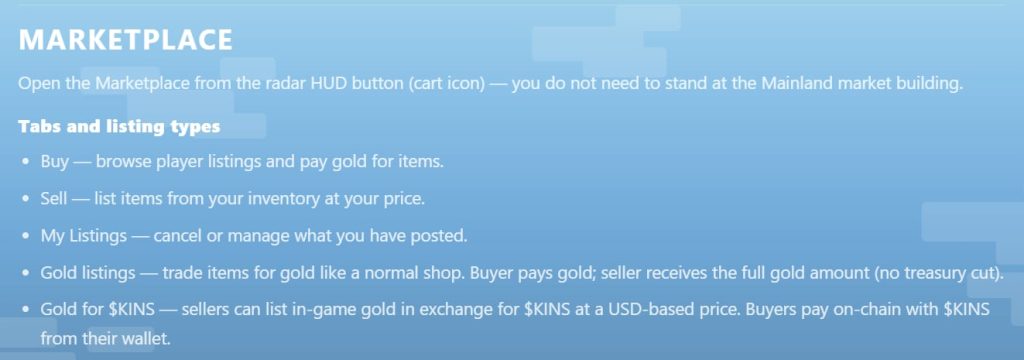
Open the Marketplace anytime through the in-game cart icon to turn extra items into value. You can sell materials for Gold or swap Gold for $KINS, with each completed trade sending most of the payout straight to your wallet. You can also check the in-game guide for a step-by-step walkthrough of how it works.
Tips for Getting Started in Kintara
1. Learn the Core Loop
Kintara runs on explore, gather, fight, and trade. Gold is for in-game use, while $KINS links gameplay to on-chain rewards and marketplace value.
2. Focus on Smart Progression
Every activity builds skills, from mining and fishing to combat. Daily quests help speed things up with quick tasks that reset every 24 hours.
3. Use Trading to Your Advantage
Sell extra items through the Marketplace to earn Gold or convert it into $KINS. Most payouts go directly to your wallet, making trading a key part of progression.
Key Takeaways
Kintara brings together exploration, combat, gathering, and trading in a single Solana-powered MMO where gameplay connects directly to real value. Players can easily jump in, progress through different activities, and earn through both in-game and on-chain systems. With Gold for gameplay and $KINS for rewards and trading, every action contributes to growth and value, making steady play the key to progress.
To stay informed about community happenings, these are the community pages to visit for firsthand information.
🌐 Website: https://kintara.gg/play
🐦 Twitter/X: https://x.com/PlayKintara
🟣 Discord: https://discord.com/invite/2FNEwp2Xv3
You Might Also Like: