
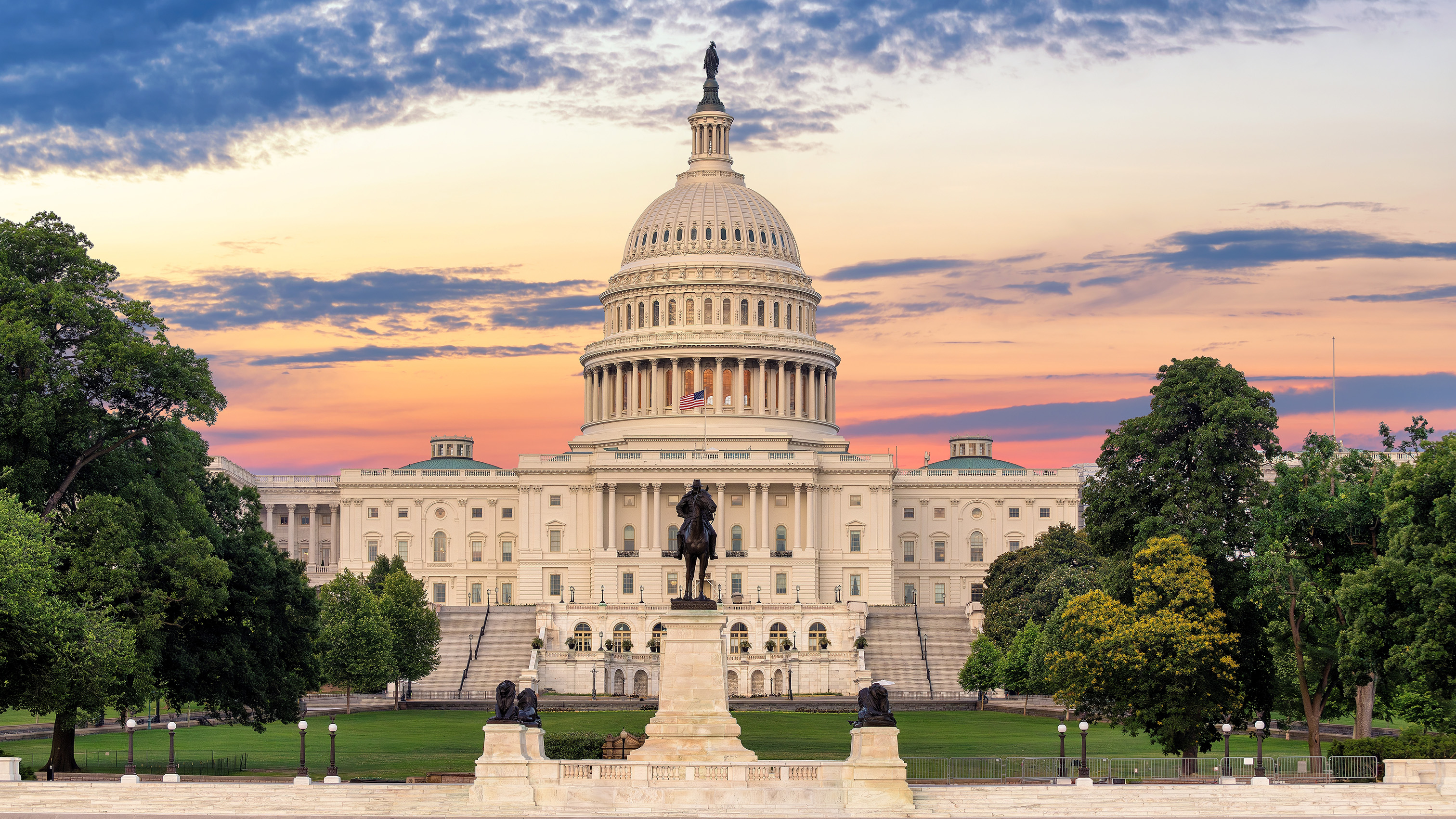
West Virginia lawmakers have taken a step toward letting the state put a slice of its cash into gold, stablecoins and very large cryptocurrencies. Senate Bill 143, introduced on January 15, 2026, is being called the Inflation Protection Act and was filed by State Senator Chris Rose.
Inflation Protection Act Details
According to the proposal, the State Treasury Board could place up to 10% of certain treasury accounts into a limited list of nontraditional assets.
Those assets would include precious metals like gold and silver, regulator-approved stablecoins, and digital currencies that meet a very high market-cap test. The bill sets that threshold at US$750 billion averaged over the prior calendar year.
The Market Cap Door Is Narrow
Based on reports, only the largest cryptocurrencies would clear that bar. At the moment, that effectively names Bitcoin as the sole qualifying digital asset, given the US$750 billion requirement. That choice was framed as a way to limit exposure to volatile or fringe tokens.
How The State Could Hold These Assets
The bill does not demand one custody model. Instead, it allows the treasury to hold metals or crypto directly, to use exchange-traded products, or other approved custody setups. The language also contemplates tools like staking or ETPs as options for generating returns, but it attaches rules intended to reduce operational and security risks.

A Policy Shift At The State Level
Rose and backers present the move as a hedge against inflation and a way to diversify reserves beyond bonds and cash. Opponents are likely to press on fiduciary duty, volatility, and the risks of adopting assets with rapid price swings.
The debate taps into a wider trend: several US states have been exploring ways to create strategic reserves that include precious metals or crypto.
What Happens Next
SB 143 has been assigned to the Committee on Banking and Insurance, with further review expected before any vote. Lawmakers will weigh technical safeguards, reporting rules, and how to audit and insure holdings before moving the measure forward.
If implemented, the plan would let West Virginia place a modest, capped portion—10%—of qualifying funds into a narrow set of assets aimed at preserving buying power.
Supporters argue it is a cautious experiment; critics say the risk profile of crypto still demands care. Either way, the proposal will force a detailed policy discussion in Charleston about how public money should be managed when new financial tools are on the table.
Featured image from Corcoran, chart from TradingView

Editorial Process for bitcoinist is centered on delivering thoroughly researched, accurate, and unbiased content. We uphold strict sourcing standards, and each page undergoes diligent review by our team of top technology experts and seasoned editors. This process ensures the integrity, relevance, and value of our content for our readers.