
In brief
- Senator Elizabeth Warren is speaking out about the potential security risks associated with decentralized exchanges, naming PancakeSwap in a letter this week.
- The Massachusetts senator wrote to Treasury Secretary Scott Bessent and Attorney General Pamela Bondi, expressing concerns.
- Warren demanded answers by January 12 about the potential risks and any ongoing actions from the agency.
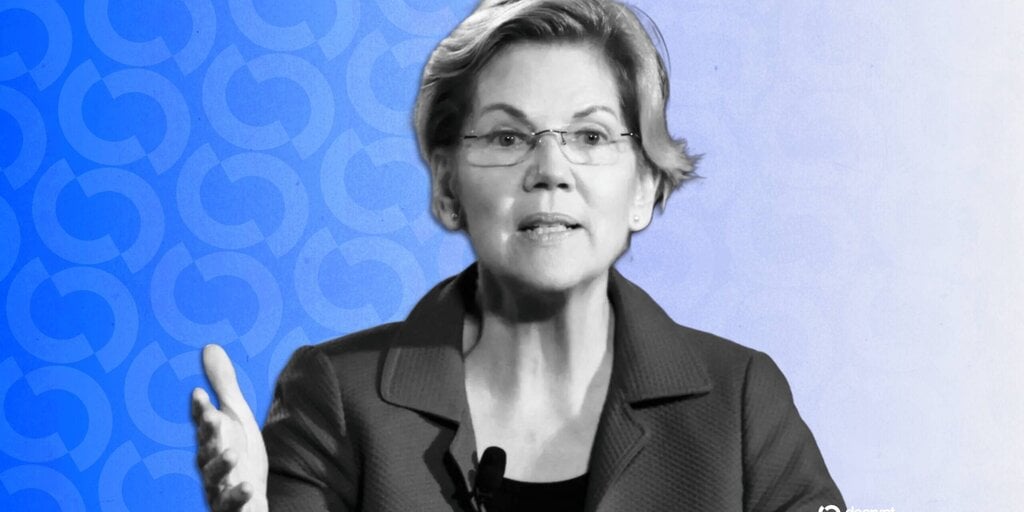
Senator Elizabeth Warren is raising an alarm on the potential national security risks of decentralized exchanges (DEXs), singling out PancakeSwap given its reported connection to the trading of Trump-linked stablecoin USD1 and funds stolen by North Korean hackers.
In a letter this week addressed to Treasury Secretary Scott Bessent and Attorney General Pam Bondi, Warren asked for answers by January 12 regarding gaps left by statutory and regulatory authorities that leave the U.S. vulnerable to national security risk as it pertains to DEXs and any actions the agency is taking to prevent crypto-related conflict of interests—including within the Trump family.
“You and your departments have significant responsibilities for safeguarding the American people and the U.S. financial system,” Warren wrote. “The public deserves to know whether you are investigating the serious risks identified by national security experts and the crypto industry itself.”
Warren supported her inquiry with blockchain reports from analytics firm Allium and investigations firm TRM Labs, which point to the role PancakeSwap and DeFi tools like decentralized exchanges played in crypto’s largest-ever heist, a $1.4 billion theft from crypto exchange Bybit back in February.
According to Allium’s research, around 20% of the stolen funds or $263 million, were laundered through PancakeSwap alone.
Warren points to the fact that on-chain crypto users can make use of DEXs without strict anti-money laundering program controls, like know your customer (KYC) disclosures, enabling them to “exploit decentralized platforms to move, mix, and cash out illicit funds.”
“Without regulatory monitoring, illicit actors will increasingly be able to acquire crypto assets on decentralized exchanges, and then facilitate financial transactions without having to cash out through institutions that could otherwise have monitored and reported suspicious activity to law enforcement,” she wrote.
Beyond North Korea’s attacks, Warren also highlighted PancakeSwap’s role in the trading of USD1—the dollar-backed stablecoin from Trump-backed DeFi project World Liberty Financial. In June, the DEX partnered with World Liberty Financial on a liquidity drive promotion that encouraged trading in USD1 pairs, offering more than $1 million in prizes over a four-week period.
Last week, the Trump-connected stablecoin became a “core part” of Binance infrastructure, just months after co-founder Changpeng “CZ” Zhao’s pardon. Binance denied that there’s any link between the pardon of its former CEO and the expanded integration of USD1.
The Massachusetts senator previously denounced the President’s pardon of the Binance co-founder, and sought answers from the DOJ about the company’s ties to the president.
“I am especially concerned about any improper political influence by the Trump administration on enforcement decisions,” wrote Warren in this week’s letter, “because PancakeSwap has reportedly been ‘drumming up interest among traders to use coins issued by the Trump family’s main crypto company, World Liberty Financial.’”
Decrypt reached out to PancakeSwap for comment on the Warren letter and allegations, but did not immediately receive a response.
Warren has long been skeptical of crypto and its potential harm to everyday people, and has been critical of the sitting president’s connection to the industry.
In October, she and fellow Senator Bernie Sanders sounded off on a Trump executive order that would allow investors to gain exposure to crypto in their 401(k) plans.
Prior to that, Warren criticized the crypto lobbying industry while sounding alarms about the stablecoin-focused GENIUS Act—warning that the then-pending crypto regulation “supercharges President Trump’s corruption”—and asked for probes into the TRUMP meme coin launched in January.
Her criticisms are not isolated. Last month, House Democrats summarized that the Trump White House is the “the world’s most corrupt crypto startup operation,” after building a partisan report on the family’s crypto connections.
The report cited a Reuters investigation that alleged that the Trump family had made more than $800 million on crypto ventures in 2025. Disclosure forms from earlier this year indicate the President made more than $58 million from crypto ventures during 2024.
Daily Debrief Newsletter
Start every day with the top news stories right now, plus original features, a podcast, videos and more.