
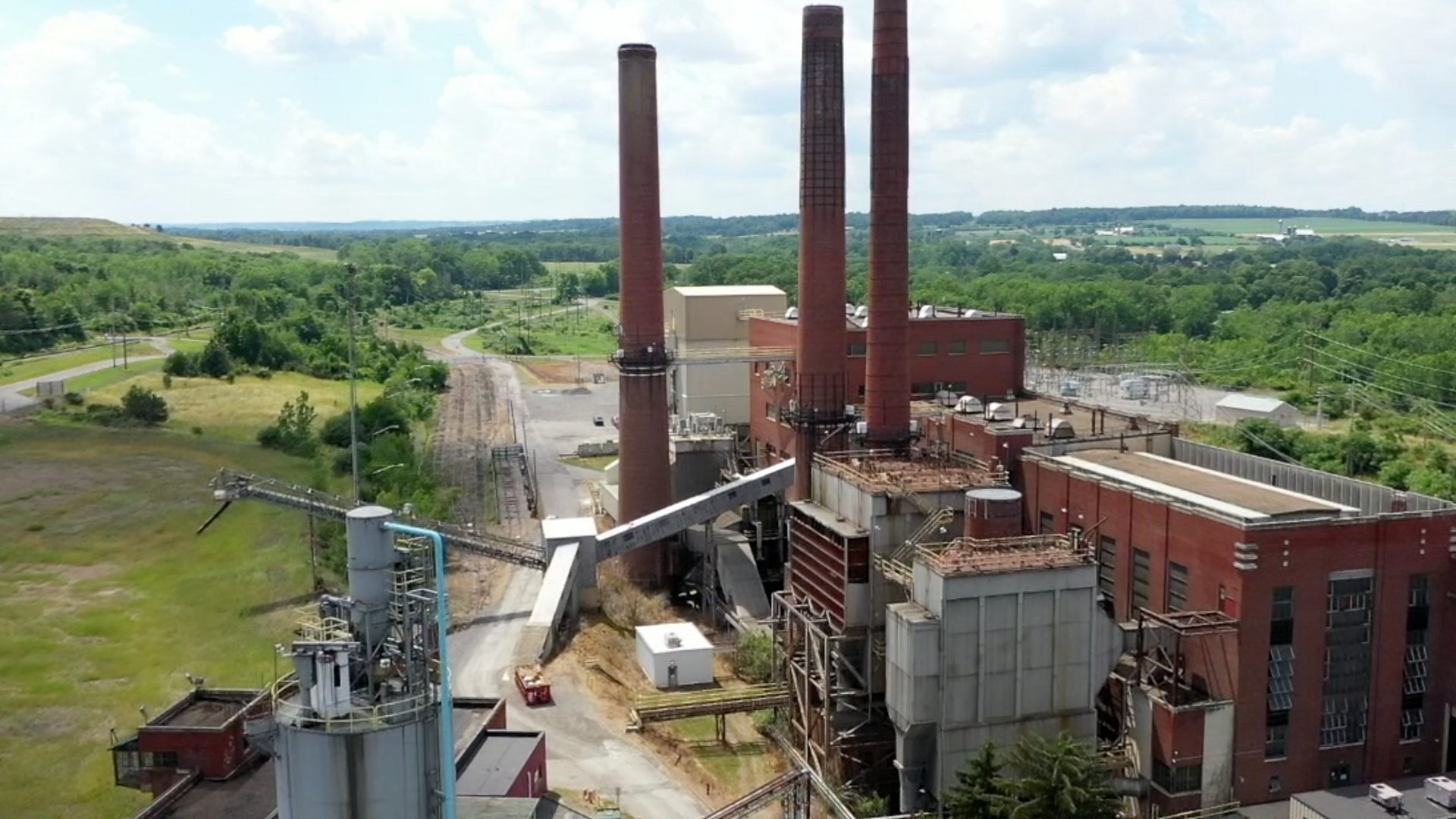
Greenidge Generation Holdings Inc. will continue operating its crypto mining facility in Dresden, New York, after a court ruling overturned a state agency’s attempt to block its operations.
On November 14, the New York Supreme Court sided with Greenidge, nullifying the state Department of Environmental Conservation’s (DEC) decision to deny the company’s Title V Air Permit.
Greenidge Receives Approval to Continue its Crypto Mining Operations
Judge Vincent Dinolfo criticized the DEC for acting “arbitrarily and capriciously” and misinterpreting the Climate Leadership and Community Protection Act (CLCPA). The court concluded that the DEC lacked a reasonable justification for its decision, allowing Greenidge to keep the plant running.
The legal dispute began in August when Greenidge challenged the DEC’s decision to reject its air permit renewal. The agency claimed the facility didn’t meet New York’s climate goals under the CLCPA.
“The Climate Act is a good and well-intended law, but it did not give DEC political appointees and bureaucrats the power to rewrite a statute and unilaterally decide for themselves the value of working-class New Yorkers’ jobs,” said Greenidge Generation in an official statement.
Greenidge argued the rejection exceeded the DEC’s authority and ignored the plant’s compliance with existing laws.
Although the DEC had previously dismissed an appeal in May, Greenidge obtained a temporary waiver, enabling operations through September. The latest court ruling now secures the plant’s long-term future.
Bitcoin mining is one of the key business operations of Greenidge. The power plant has been scrutinized for burning natural gas to power its mining facility.
This marks the seventh legal victory for Greenidge on operational issues. The company expressed optimism about working with the DEC to secure a new permit in line with the court’s decision.
Mining Continues To Be a Controversial Topic
The Greenidge ruling comes amid global debates over the environmental and economic impact of crypto mining. Bhutan, for instance, has leveraged its hydroelectric power to mine Bitcoin, reportedly holding 13,000 BTC—worth over $1 billion.
Conversely, a city in Norway faced a 20% rise in household electricity costs after the Stokmarknes Datasenter Bitcoin mining facility shut down in September. Local authorities in Hadsel refused to renew the facility’s temporary operating permit.
Also, in Russia, a new law temporarily bans crypto mining in regions with power shortages, including parts of Siberia. The legislation grants the government direct oversight of mining pools, although state support for cryptocurrency as a payment method remains firm.
The post Greenidge Generation Wins Legal Battle Over Its Crypto Mining Facility in New York appeared first on BeInCrypto.