
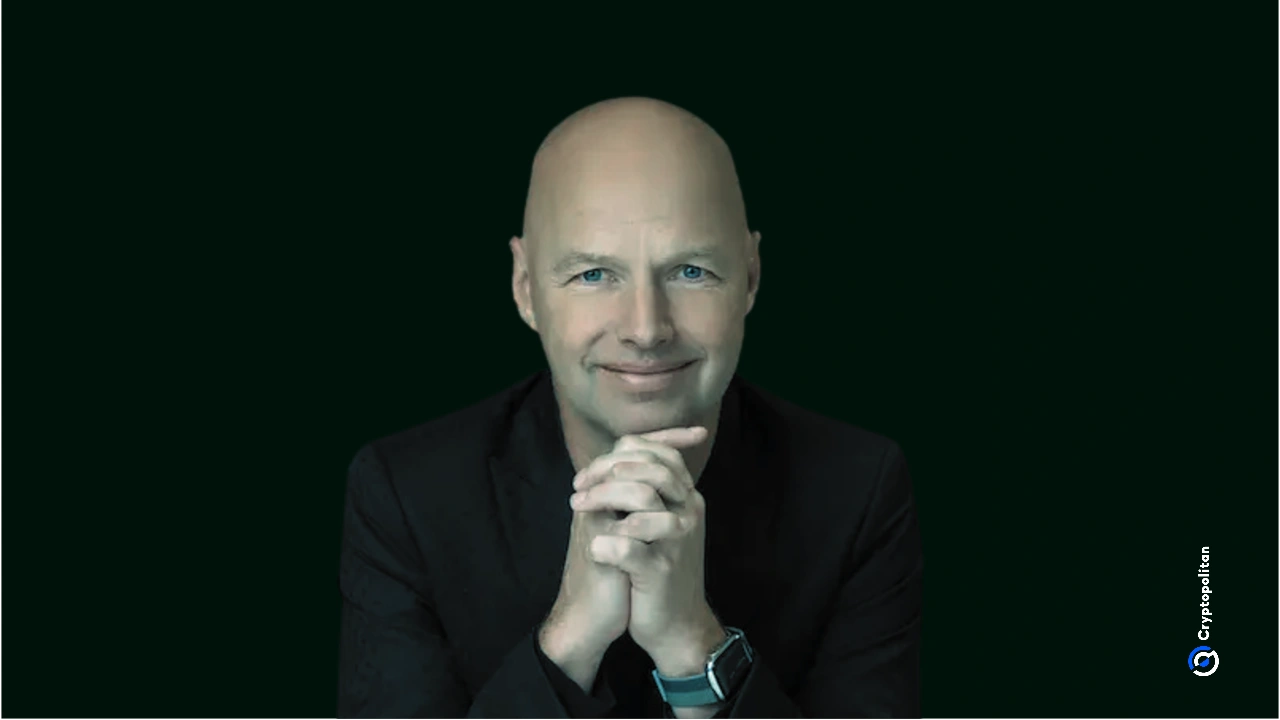
Sebastian Thrun, the engineer behind Google’s self-driving program that became Waymo, revealed on Tuesday that he is starting a new robotics company called Dulo.
Thrun mentioned the new company only briefly at the end of his keynote at Actuate, a robotics conference, in San Francisco. He named the venture but did not share any further details. “I am not speaking about the company yet,” he said, according to Business Insider. “It’s under stealth, it’s very small. But it’s in robotics.”
He did not share any information about funding, products, or a launch date. As of this week, there is almost nothing about Dulo that is public. The Insider article remains the only detailed report on the company.
The best clue comes from a simple webpage hosted by Stanford. It says Dulo builds “foundation models for hardware design,” aiming for “manufacturing at lightspeed.” Foundation models are large, general-purpose AI systems that have already changed how text, images, and code are created. Dulo’s idea is to use these same techniques to design and produce physical machines and their parts.
Dulo’s focus is a step earlier than most of its competitors. While recent investments have gone into humanoids and robots that interact with the world, Dulo is targeting the design and manufacturing stage. If the brief description is accurate, the company would sell to those who build machines, not to end users.
Dulo team includes alumni from Waymo, Google Brain, and SAIL
So far, the team’s background is the main source of information. The Stanford page, as reported by Business Insider, says Dulo’s team includes leaders from Waymo, Google Brain, and Stanford’s Artificial Intelligence Laboratory (SAIL). Thrun led SAIL earlier in his career and helped start Google Brain. These three organizations are central to the recent history of autonomy and machine learning.
Thrun is launching Dulo at a time when investors are eager to fund companies working with physical machines. Physical AI companies, those building machines that operate in real environments, raised a record $16.3 billion across 492 deals in the first quarter of 2026, according to PitchBook. Lower hardware costs, labor shortages, and efforts to bring manufacturing back onshore are fueling this growth.
People are paying attention to Dulo because of Thrun’s track record, even though the company has no product yet. In 2005, Thrun’s Stanford team completed a 132-mile desert course without a driver and won a major autonomous-vehicle race, according to Business Insider. After that, Google co-founder Larry Page hired him to lead the self-driving project that became Waymo, now the most well-known robotaxi company in the US.


