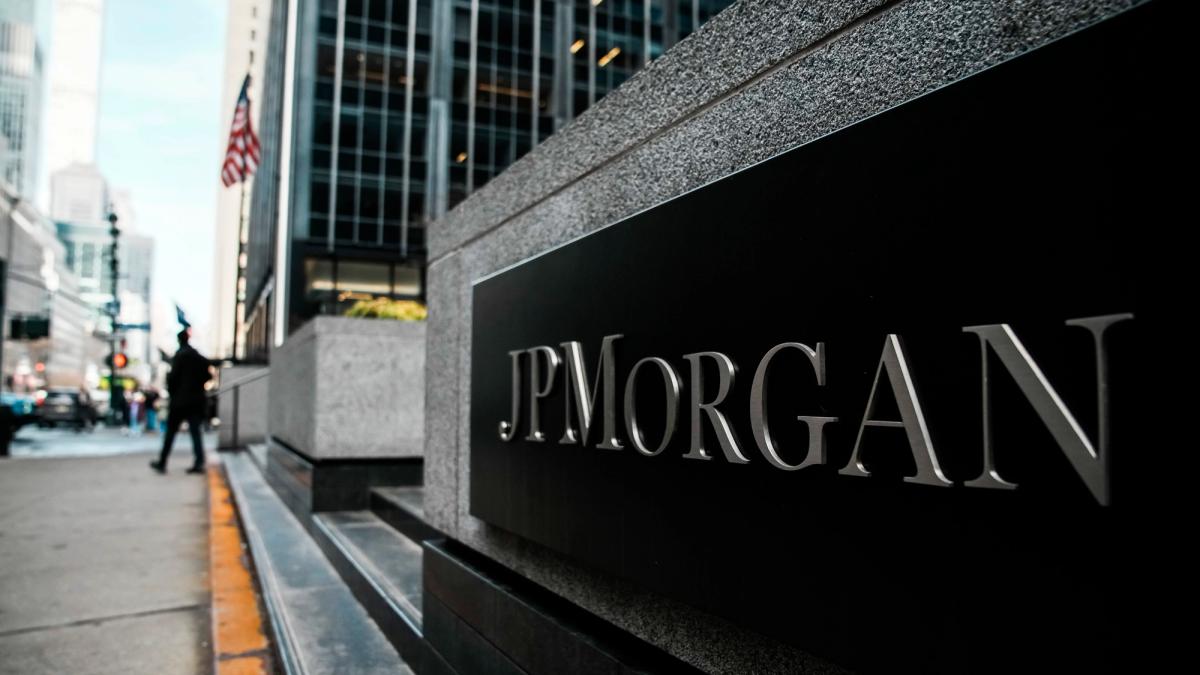
An artificial intelligence label is no longer sufficient to secure financing, according to JPMorgan. Lenders increasingly require companies to demonstrate they can fund investments, service debt, and generate cash flow.
"The AI label alone is no longer enough to reassure lenders. Companies must show that they can finance investment, service their debt and eventually turn spending into cash flow," said Justin Biemann, global investment strategist at J.P. Morgan Private Bank, in a report published October 23.
Credit-default-swap trading tied to major AI companies surged in September, with insurance costs on debt-dependent firms reaching levels that signal heightened default risk. Weekly trading in credit default swaps linked to bonds issued by Oracle, SpaceX, Alphabet, Amazon, Meta, Broadcom, and Nvidia averaged more than $9 billion in September, up significantly from under $2 billion weekly in July, according to Morgan Stanley data.
The stress is concentrated among businesses reliant on continued borrowing. One financing-dependent AI infrastructure company has taken on tens of billions of dollars in debt and other obligations, with its five-year credit default swap reaching 1,100 basis points. Pricing at that level implies a near or above 50% probability of default over five years, up from below 30% a year ago.
In contrast, large AI leaders with strong cash flow pay 50 to 120 basis points for five-year protection, which Biemann characterized as the price of portfolio insurance rather than a prediction of financial distress. Protection on the broad investment-grade market remains comparatively contained.
"The concern is confined to business models that require debt markets to remain open while spending stays high and cash flow remains limited," Biemann noted. The stress in AI financing could potentially spill over into other risk assets, including cryptocurrencies like Bitcoin, which have been driven partly by AI-related narratives.