Amundi has launched a tokenised share class of its Core STOXX Europe 600 equity index fund on public Ethereum, using infrastructure developed with CACEIS. The announcement, made in November 2026, marks a step by one of Europe’s largest asset managers to apply public blockchain technology to a conventional index product.
Tokenised fund units, not tokenised stocks
The initiative concerns a new share class of an existing diversified European equity strategy. It does not mean that all 600 constituent companies have issued public blockchain shares or that investors can trade each stock around the clock. In a fund structure, investors own units governed by the fund’s legal terms, and the fund holds or tracks the underlying basket according to its mandate. Tokenising the unit can change the infrastructure for issuance, transfer or recordkeeping without altering the basic economic exposure of the investment strategy.
Amundi said the traditional distribution model remains available. The Ethereum-linked share class is integrated into the existing operating model rather than replacing the fund’s conventional administration overnight.
Infrastructure and operational roles
Amundi highlights potential benefits including operational efficiency, quicker settlement, transparency and improved distribution. Each of these depends on regulatory acceptance, custodianship, identity controls and the systems connecting a blockchain to conventional fund administration. CACEIS’s role is important because a token cannot by itself maintain every legal and administrative function expected of a regulated fund. Shareholder rights, transfer restrictions, reconciliation, accounting and redemption procedures still require well-defined responsible parties.
The effort follows earlier Amundi work involving tokenised money-market products and subscriptions using stablecoins. That progression suggests the asset manager is testing multiple financial use cases rather than assuming one technology will immediately replace existing market infrastructure.
What would demonstrate traction
Useful measures of the format’s traction will include actual eligible investors using the new share class, the cost and speed of subscriptions and redemptions, secondary-transfer rules, and how issuers handle corporate actions and compliance. Amundi has not published enough in the cited announcement to quantify all these outcomes.
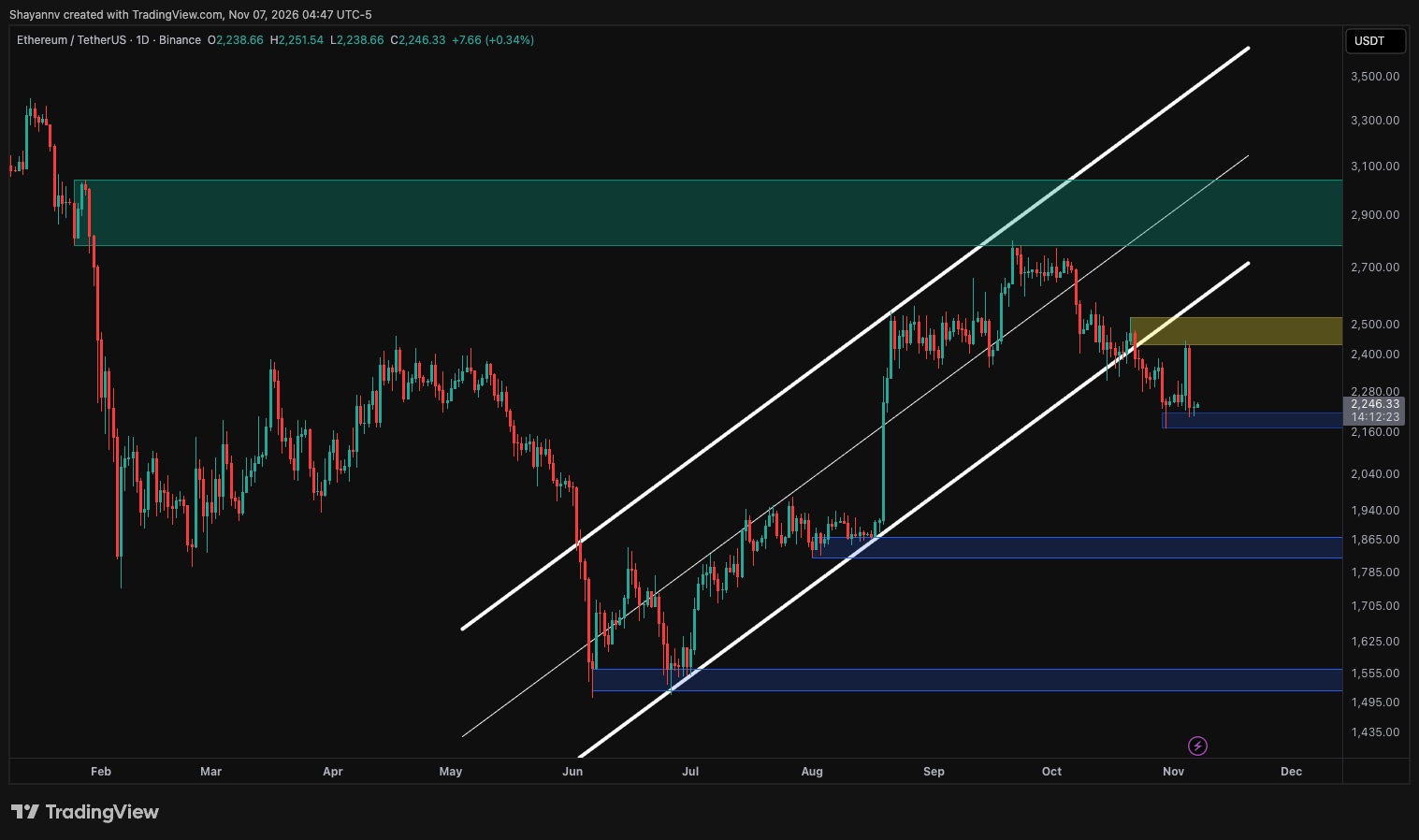
There is also no reason to equate demand for tokenised fund units with a guaranteed effect on ETH’s market price. Transaction fees and onchain activity are one component of a much larger network economy, and adoption can grow without a direct one-for-one connection to token valuations.
The development is meaningful because it involves an established asset manager applying public blockchain infrastructure to an actual investment product. The next chapter is operational evidence: whether the new representation makes fund ownership simpler, cheaper or more accessible without compromising the protections investors expect.