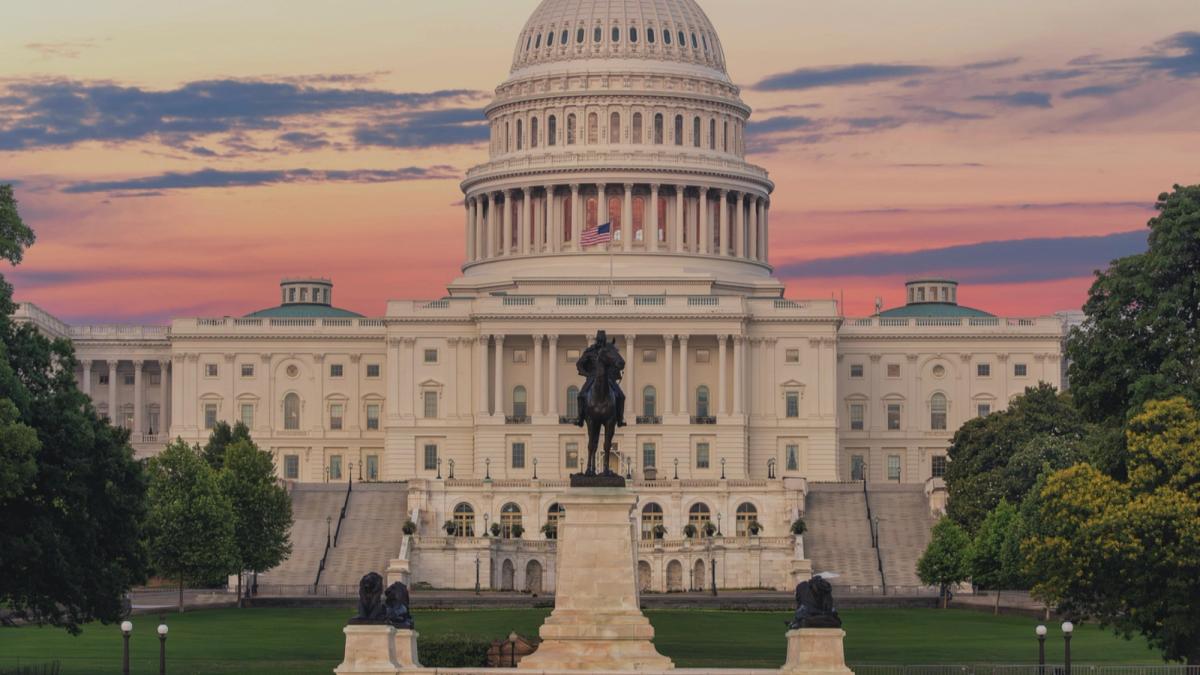
Peter Hughes, founder and CEO of Apex Group, told CoinDesk that the U.S. Senate’s inability to pass the Clarity Act may cause digital‑asset companies to look for more agile regulatory environments in Asia, the Middle East and Bermuda.
Regulatory setback in the United States
The Clarity Act, which sought to clarify federal oversight of digital assets by dividing responsibilities between the SEC and the CFTC, failed to secure the 60 votes needed in September. Disagreements over ethics provisions, stable‑coin rewards and other regulatory concerns were cited as reasons for the shortfall.
Comparative regulatory landscapes
Hugings noted that Europe’s Markets in Crypto‑Assets Regulation (MiCA) remains restrictive and slow to evolve, limiting its ability to attract displaced U.S. business. In contrast, he highlighted rapid regulatory developments in Asia, the Middle East and Bermuda, which are creating frameworks aimed at supporting tokenized products.
Tokenization momentum in Saudi Arabia
Apex Group recently partnered with droppRWA and Tokeny to launch regulated blockchain‑based investment products in Saudi Arabia. DroppRWA’s CEO Faisal Monai said Saudi regulators have already amended rules to permit real‑estate tokenization and greater foreign participation, though infrastructure linking tokens to legal records is still being built.
Potential of tokenized financial products
Hughes identified tokenized money‑market funds and regulated, yield‑bearing stablecoins as possible drivers of institutional adoption. He cited a comparison of a 5% return from a tokenized fund versus a 3% return from a traditional bank savings account, suggesting higher yields could attract investors. He also noted that tokenized funds can serve as collateral, enabling institutions to borrow against holdings.
Outlook
While Hughes said the timing of broader stable‑coin adoption remains uncertain, he expects tokenization to eventually reach retirement accounts and retail investors as regulators become more comfortable with the technology. He warned that continued delays in U.S. legislation could allow other jurisdictions to fill the regulatory gap.