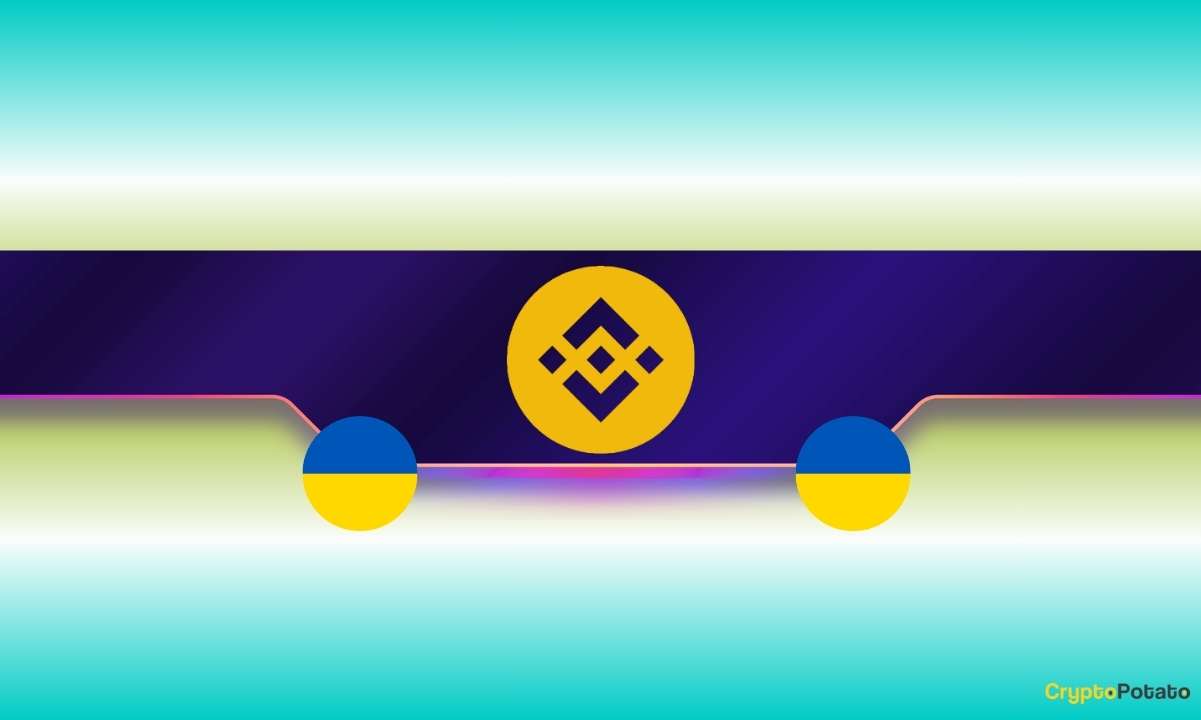
Binance announced it will close Ukrainian hryvnia (UAH) deposits and withdrawals via Fiat Trade UAH and delist the USDT/UAH spot trading pair. The services will no longer be supported after September 28.
All open orders on the USDT/UAH spot trading pair will be automatically canceled after trading ceases. Binance advised users to manage their UAH balances and open orders before the deadline. The exchange will automatically convert all remaining UAH balances to USDT by September 30, requiring no action from users who accept this option.
Impact on Ukrainian Users
The delisting removes a direct gateway between Ukraine's financial system and cryptocurrency markets. Ukraine has become a significant market for Binance, with millions of local users relying on the platform. The company previously prioritized its strongest markets by launching seven official WhatsApp channels, including one dedicated to Ukrainian users.
Regulatory Context
The move follows Binance's struggles with European regulators. The European Union's MiCA regulatory framework took effect on July 1, requiring crypto platforms to obtain proper licensing. Binance applied for authorization through Greece but was rejected, leading to service disruptions for EU users.
The Wall Street Journal reported that Christine Lagarde, President of the European Central Bank, personally asked Greek Prime Minister Kyriakos Mitsotakis to block Binance's application. The reasons cited included the company's earlier guilty plea to US money laundering and sanctions violations, and concerns that approving Binance would encourage adoption of dollar stablecoins as the ECB prepared to launch its digital euro.
US Investigations
Binance faces a new investigation in the United States regarding potential sanctions violations linked to Iran. Bloomberg reported that authorities are examining whether the exchange enabled trading activity connected to the country on its platform.
In 2023, Binance agreed to plead guilty and pay $4.3 billion to resolve US anti-money-laundering, sanctions, and money-transmission violations. Former CEO Changpeng Zhao served four months in prison and paid a $50 million fine. Trump later granted him a presidential pardon.