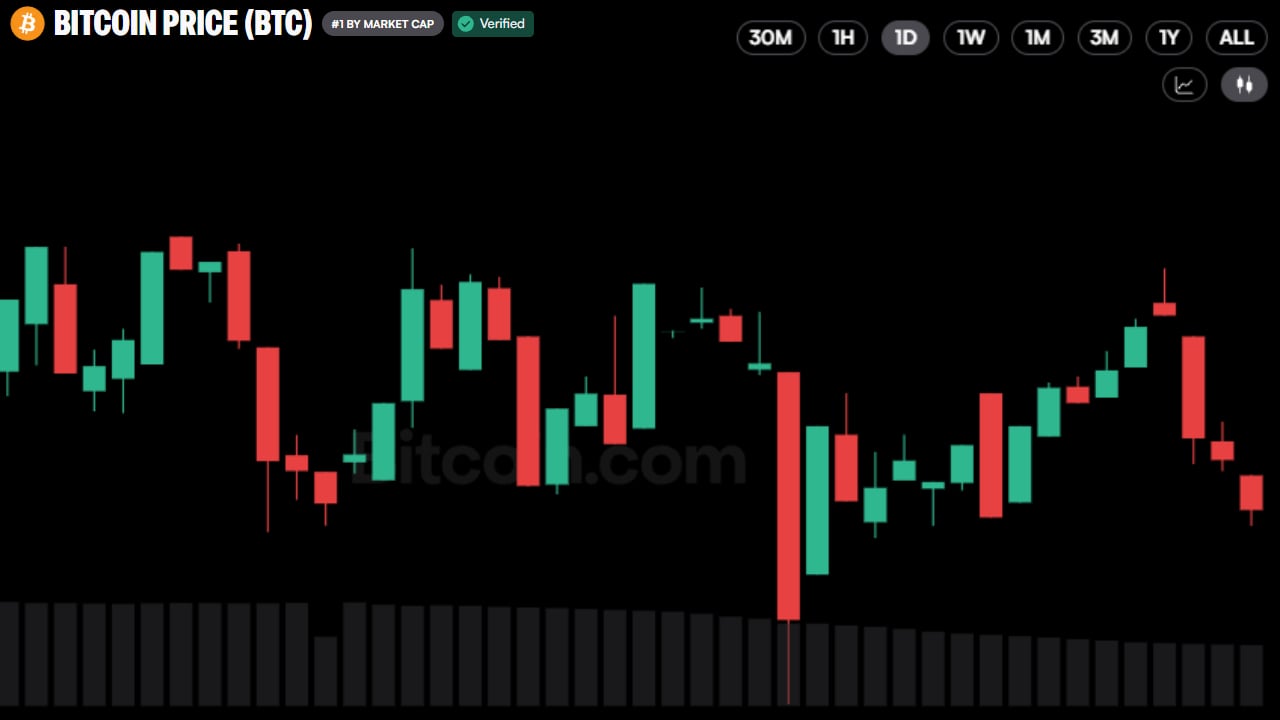
Bitcoin has entered extreme fear territory on the Fear and Greed Index, a development that has historically preceded market bottoms. The daily gauge, which incorporates volatility, momentum, social media activity, and search trends, currently sits at 12 on a scale where readings below 15 indicate extreme fear. Bitcoin first entered this zone on November 14 and remained there through November 22.
However, the signal's reliability this year appears questionable. When Bitcoin last registered extreme fear on January 21, the asset had declined 26% by mid-November. A February 2026 study found that Bitcoin's average 90-day returns following Fear and Greed readings below 25 amounted to just 2.4%.
What Could Validate the Bottom Signal?
Exchange-traded fund (ETF) flows may prove decisive. US spot Bitcoin ETFs experienced approximately $4.71 billion in net outflows through November 24, marking a record monthly total. Simultaneously, December Federal Reserve rate hike odds have climbed above 90% on CME Group's FedWatch tool. A hike to 4.00% to 4.25% would maintain Treasury yields near 4.9%, potentially competing with Bitcoin for capital allocation.
Technical weakness compounds the concern. Bitcoin closed its seventh consecutive red weekly candle, a pattern that has occurred only three times in its history.
A reversal in ETF outflows or a shift toward a softer Fed path would strengthen the case for a market bottom. Without such a catalyst, the extreme fear signal relies primarily on sentiment metrics that have not demonstrated sufficient predictive power this year.