Bitcoin tumbled to monthly lows this week, driven by inflation concerns and comments from Federal Reserve Chair Kevin Warsh. The cryptocurrency fell below $80,000 for the first time in approximately one month following inflation data releases on Wednesday and Thursday.
The September Consumer Price Index came in slightly higher than expected, prompting an immediate move lower to $82,000. The Producer Price Index reading on Thursday proved more consequential, showing the largest monthly increase in well over four years and driving Bitcoin further down.
Throughout the week, Bitcoin experienced significant volatility. After trading sideways between $82,000 and $83,000 over the weekend, the asset attempted a recovery on Monday but was halted at $84,000. After declining to $81,000, it recovered briefly before the inflation data triggered another selloff. At week's end, Bitcoin traded around $81,500, representing a 1% weekly decline.
Fed Chair Warsh addressed markets at the IMF-World Bank Annual Meeting in Bangkok on Thursday but stopped short of signaling whether the Federal Reserve will raise rates in the coming weeks, leaving investors uncertain about monetary policy direction.
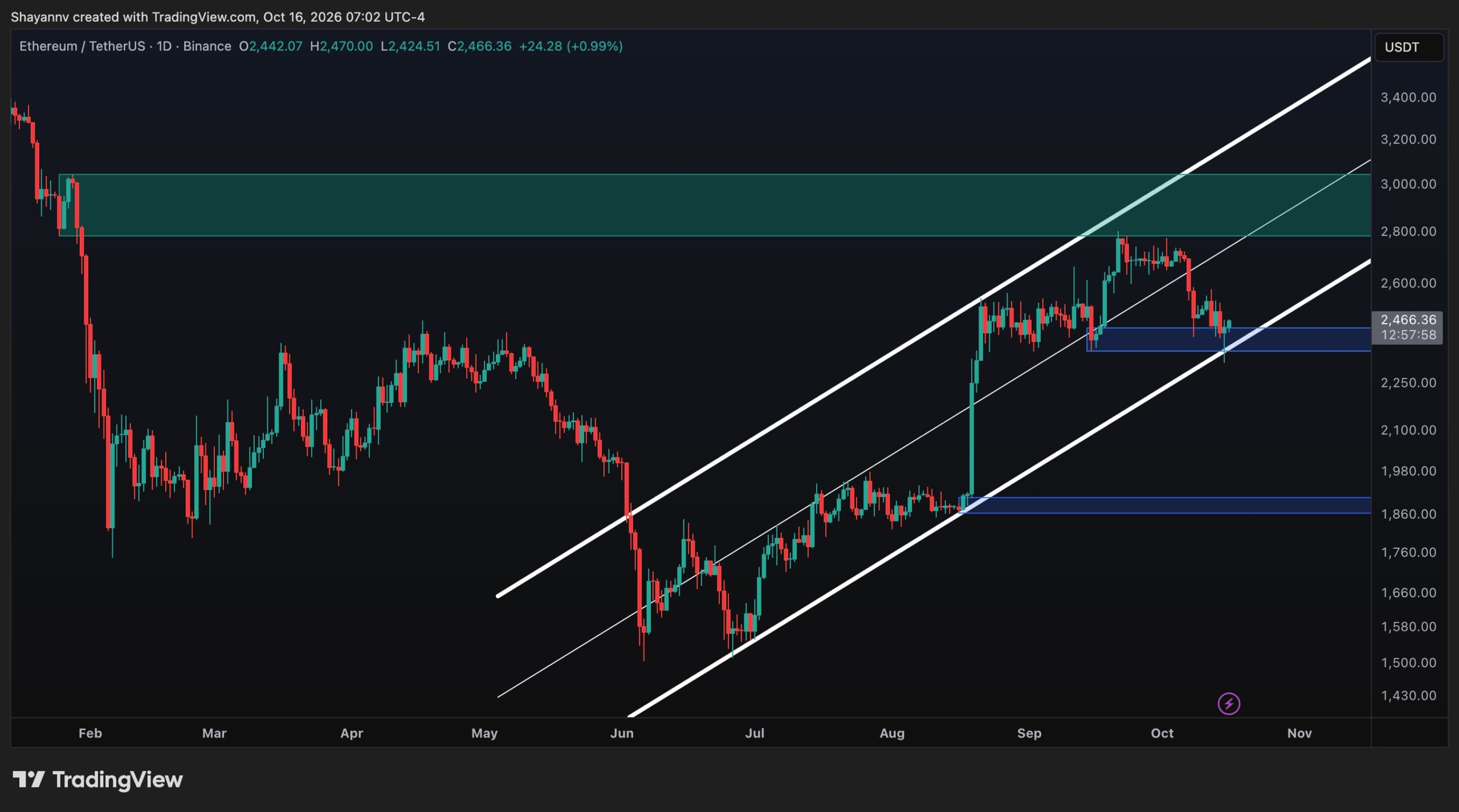
The broader cryptocurrency market also faced pressure. Ethereum fell 1% to $2,440, and XRP declined 3.4% to $1.32. Some altcoins experienced sharper losses, while others gained ground—NEAR rose nearly 10% and BTW climbed 23% for the week.
The overall cryptocurrency market capitalization stood at $2.86 trillion with a 24-hour trading volume of $84 billion. Bitcoin's market dominance held at 57.6%.
Additional market developments included Ledger confirming an unauthorized implant in a hardware wallet linked to over $80 million in stolen cryptocurrency, with reports suggesting the issue expanded beyond Southeast Asia to Europe. Meanwhile, investment firms including Strive made substantial Bitcoin purchases, with Strive acquiring 6,133 BTC across two transactions.