Bitcoin's network hashrate has reclaimed the 1 zettahash per second (ZH/s) threshold, with the seven-day average exceeding this level for the first time since March 3. The current hashrate stands at 1.08 ZH/s, representing over 1 sextillion calculations per second across the network.
The recovery comes as several major mining firms have redirected equipment and capital toward artificial intelligence and other high-performance computing ventures. Smaller, solo, and privately held mining operations have stepped in to fill the computational void, sustaining Bitcoin's expanding network power.
Hardware Efficiency Compensates for Industry Shifts
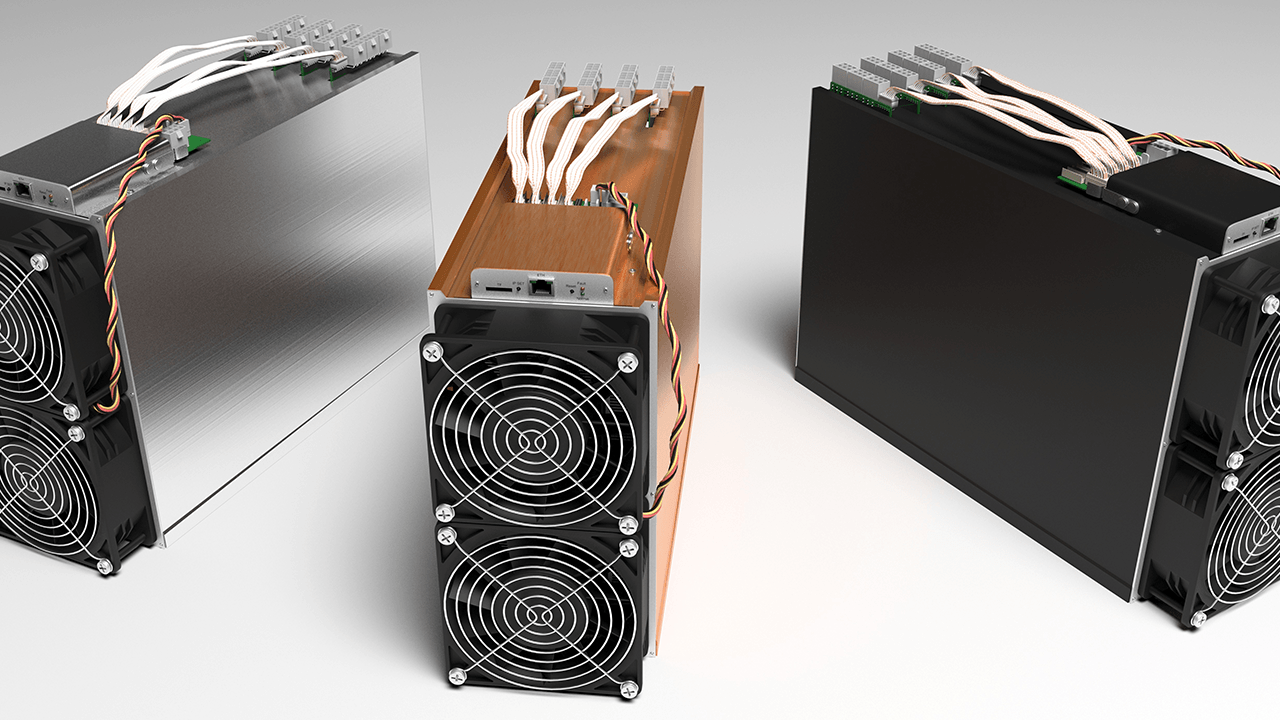
Advances in mining hardware over the past two years have enabled miners to maintain network growth despite the pivot toward AI. Next-generation mining rigs from manufacturers such as Bitmain and MicroBT now operate below 10 joules per terahash (J/TH), a significant improvement in energy efficiency compared to older equipment.
Some of the most advanced machines now exceed 1 petahash per second, delivering faster computational performance while consuming less electricity per unit of work performed.
Mounting Pressure on Profitability
While hashrate has recovered substantially from July's low near 726 exahash per second, it remains below previous peaks of 1.3 to 1.44 ZH/s. Bitcoin's declining dollar valuation over the past 30 days has placed downward pressure on hashprice, which measures mining revenue. Hashprice currently stands at $36.04 per petahash per second per day, down from $40.42 on September 25.
Mining difficulty has climbed 5.92% during the latest adjustment, compounding pressure on profit margins. Blocks are currently arriving at an average interval of 9 minutes and 31 seconds, suggesting the next difficulty adjustment on October 29 will likely bring further increases.
Despite these headwinds, the network's hashrate recovery indicates that hardware efficiency gains are offsetting capital migration, demonstrating the resilience of Bitcoin's infrastructure. Smaller operators filling the gap may face considerably tighter profit margins than headline figures suggest.