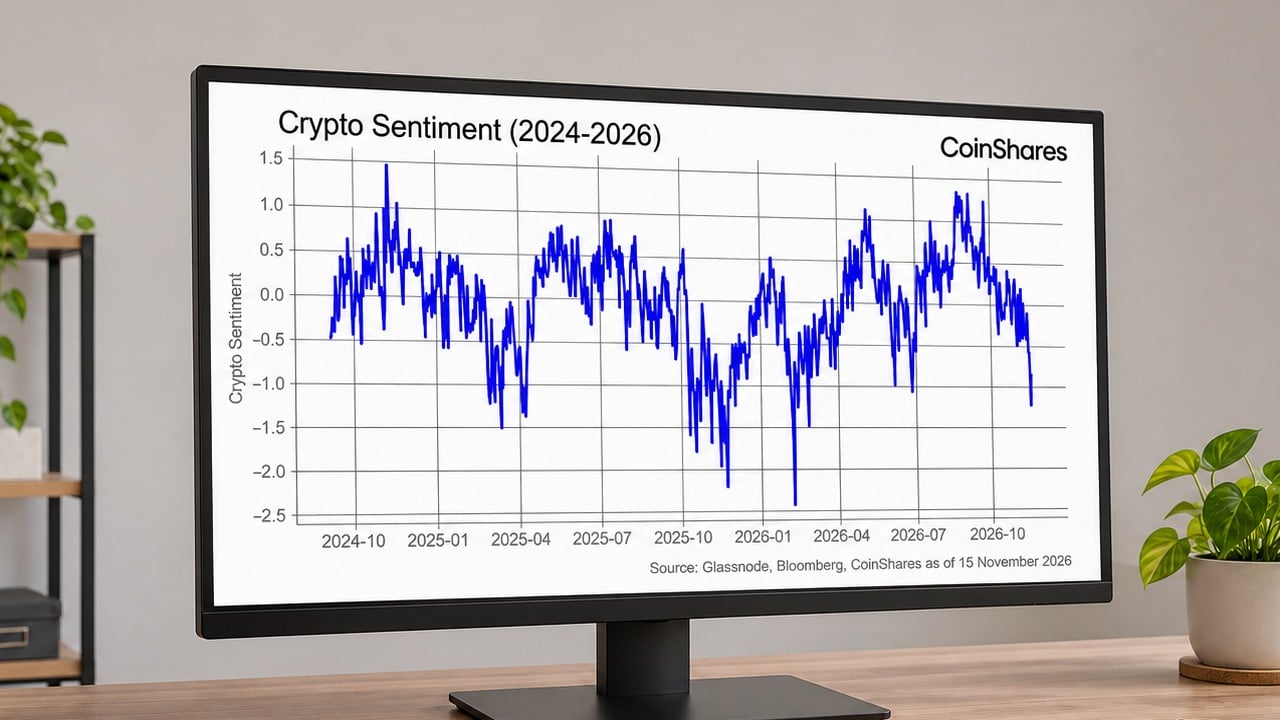
Following a $3 billion crypto liquidation wave on November 13-14, market liquidations have moderated. On November 15, liquidations totaled $563 million, declining further to $289.9 million on November 16, according to CoinGlass data.
Bitcoin's move down to $62K acted as a leverage flush, with the price subsequently bouncing to $65K over the following 48 hours. The $62K-$63K area represents a dense cluster of short-term holder supply, according to Glassnode analysis. This same price level served as the base of a previous upward move in mid-August.
Supply Dynamics at Key Support
The concentration of short-term holder supply at current levels could influence price recovery prospects. If this support area is breached, analysts suggest it could trigger further capitulation and new lows.
Demand Signals Remain Weak
Crypto analyst Axel Adler Jr. observed that bulls attempted to push Bitcoin higher in the futures market, with the hourly taker buy-sell imbalance reaching +8,709 BTC on November 16. However, price failed to sustain gains, with resistance appearing at $66.2K-$66.9K and the local high of $70,214.
On-chain metrics paint a concerning picture. Apparent demand, measured as a 30-day sum, stood at -247,700 BTC with a yearly reading of -1.21 million BTC, signaling severe market stress. Crypto analyst Darkfost noted this metric—an indirect on-chain proxy based on new issuance versus inactive supply changes—has historically been a reliable trend strength indicator.
Any price rebound without substantial improvement in apparent demand toward neutral or positive levels would signal underlying weakness rather than fundamental recovery.