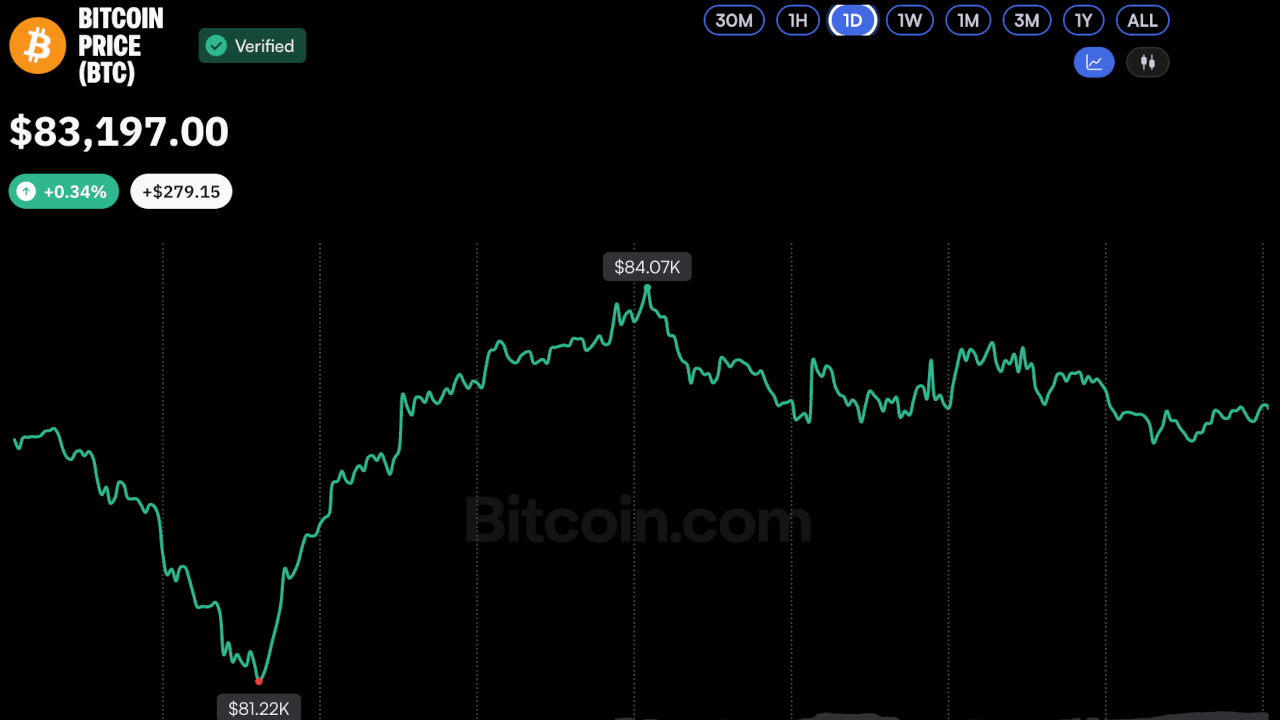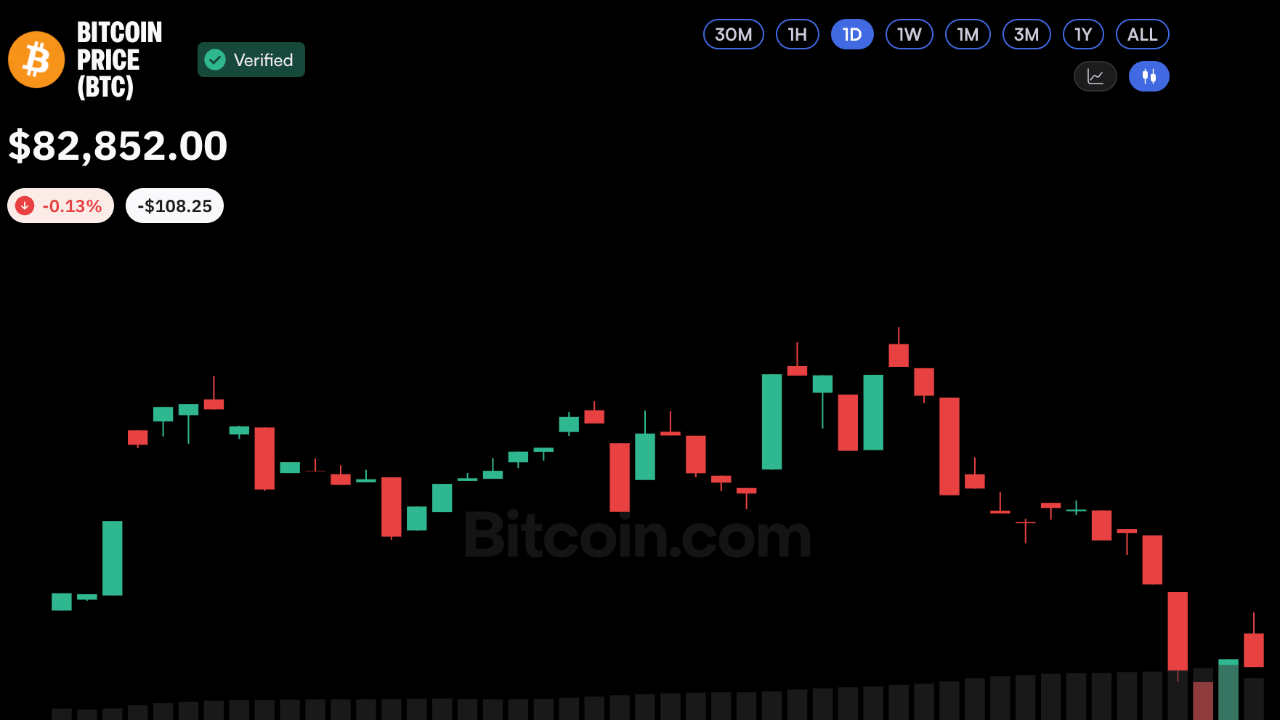
Bitcoin is holding above $80,000 even as Brent crude trades above $100 amid renewed Middle East tensions. The price resilience comes despite roughly $681 million in weekly U.S. spot bitcoin ETF outflows, leaving institutional demand as a key indicator for the market's next move.
Bitcoin's stability is notable given that higher energy prices typically revive inflation concerns and can pressure risk assets. Yet the cryptocurrency market is not receiving support from institutional flows through spot bitcoin funds, which recorded significant net outflows during the week.
Resilience Amid Geopolitical Pressure
Bitcoin's ability to withstand the latest oil shock and geopolitical tensions points to some degree of stability. The price holding above the $80,000 area suggests that sellers have not gained control despite a less favorable macroeconomic backdrop.
Sentiment readings remained relatively measured, sitting between neutral and greed levels rather than showing signs of widespread panic.
Institutional Flows as the Critical Test
The broader question for bitcoin's price direction centers on whether resilience can continue while institutional flows remain negative. Spot ETFs have become a key gauge of incremental institutional demand for bitcoin, making the weekly outflow figure significant for assessing future price support.
If ETF flows remain negative while bitcoin holds $80,000, the market could demonstrate stronger underlying support. However, if outflows accelerate, that support may face greater pressure.
Corporate Accumulation Continues
Strategy purchased 250 BTC for $21.5 million between October 5 and October 11, at an average price of $86,194 per coin. The company's total holdings now stand at 848,250 BTC, representing close to 4% of bitcoin's maximum 21 million supply.
The latest purchase represents a modest addition relative to Strategy's existing position, suggesting that recurring corporate demand may already be well understood by the market.