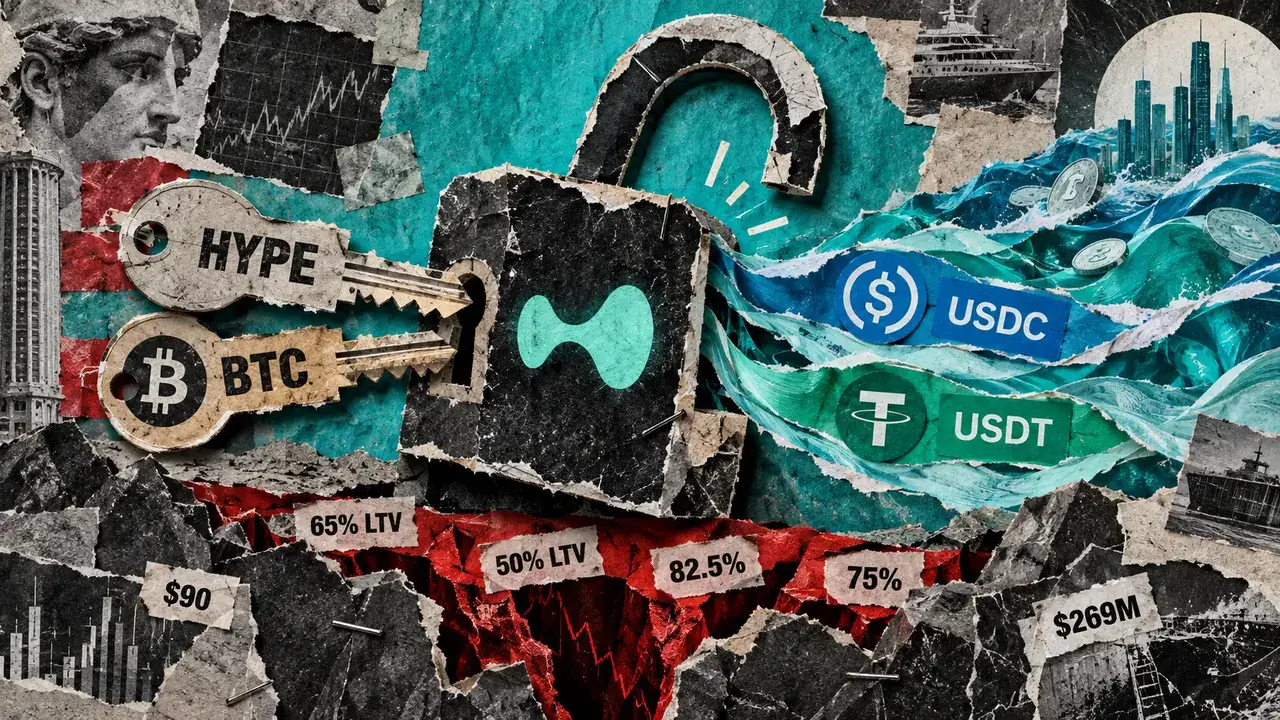
Bitcoin-backed lending could become an increasingly important way for holders to access the value of their bitcoin without selling it, as the market matures and holders become more comfortable using bitcoin as collateral.
Hunter Albright, Chief Revenue Officer of SALT Lending, expects borrowing against bitcoin to grow more common over the next 3 to 5 years. He sees this shift creating a new dynamic between bitcoin, credit, and stablecoins in the cryptocurrency ecosystem.
Money at Rest vs. Money in Motion
In this framework, bitcoin would function as "money at rest" – an asset held long-term – while stablecoins serve as "money in motion," providing liquidity that can be transferred and used without requiring holders to liquidate their bitcoin.
This model parallels existing financial practices, where owners of real estate, equities, and other assets regularly borrow against their holdings rather than selling them outright.
Behavioral and Educational Shifts Required
For this approach to become mainstream, Albright said greater education is necessary around both bitcoin itself and the mechanics of borrowing against it. The shift also requires bitcoin holders to reconceptualize their assets – viewing them not only as holdings to accumulate and eventually sell, but as collateral that can generate liquidity while maintaining long-term exposure.
Tax Considerations
In the United States, borrowing against an asset generally does not constitute a taxable sale, whereas selling appreciated bitcoin can trigger capital gains taxes. Individual tax consequences depend on transaction structure and circumstances, and holders should consult a tax advisor.