Bitcoin's mining difficulty declined 9.13% at block height 975744 on November 14, 2026, retreating from 148.36 trillion to 134.82 trillion. The adjustment marks the third-largest difficulty reduction of the year and the 23rd epoch adjustment in 2026.
The difficulty drop followed a significant departure of computing power from the network. Bitcoin's hashrate, which had been steady above 1,000 exahash per second (EH/s), lost approximately 100 EH/s during the first two weeks of November as market conditions deteriorated and block intervals stretched beyond the standard 10-minute target.
Miner Economics Tighten Further
Despite the difficulty adjustment accelerating block production to an average of 8 minutes and 43 seconds, profit margins remain exceptionally thin across the industry. The five most profitable bitcoin mining machines are generating estimated daily earnings between $4.37 and $8.74, based on electricity costs of $0.10 per kilowatt-hour.
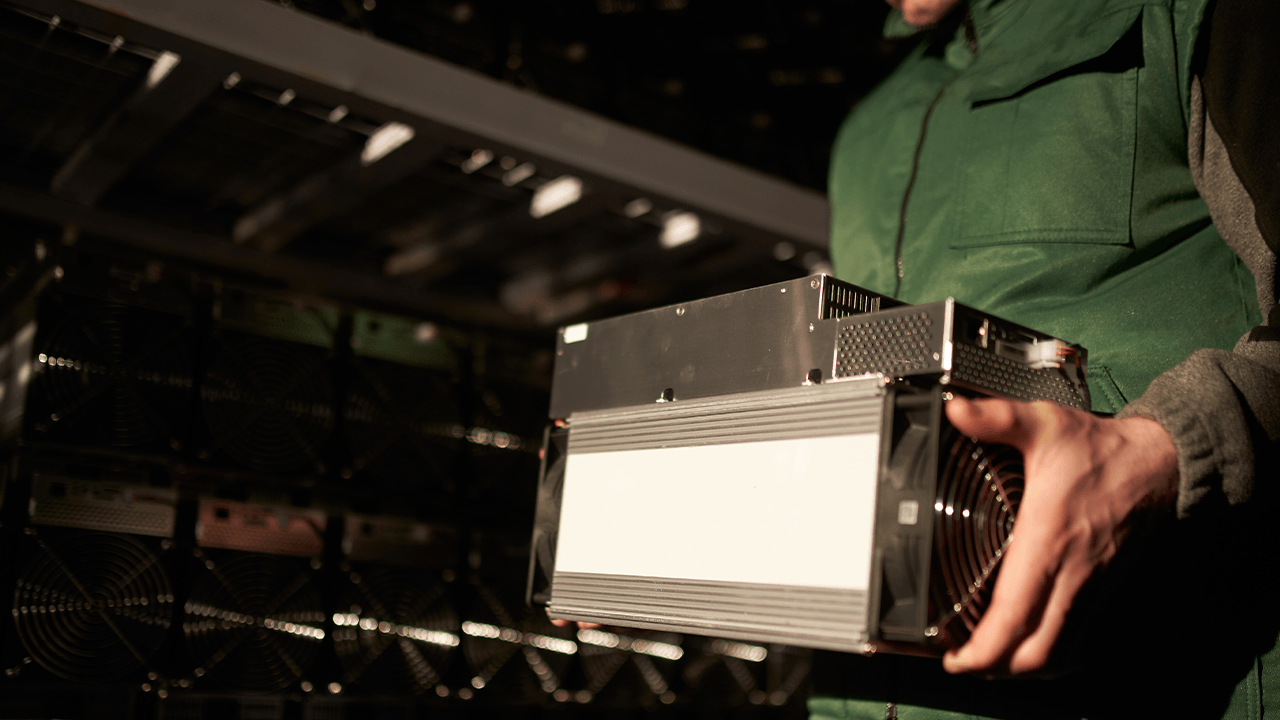
The Bitmain Antminer S23 Hydro 3U leads profitability at $8.74 daily, producing 1.16 petahash per second while consuming 11,020 watts. Other top performers include the Bitdeer Sealminer A4 Ultra Hydro at $6.79 per day and the Antminer S23e Hydro 2U at $5.48 daily.
Industry Concentration Deepens
As mining economics compress, the sector continues to consolidate around operators with access to low-cost electricity and stronger financial reserves. Marginal miners face difficult decisions regarding equipment upgrades and continued participation in the network.
Industry observers note that the latest difficulty adjustment provides temporary relief rather than a structural solution. If price pressure persists, further miner exits, delayed equipment investments, and increased concentration in the mining sector could follow.