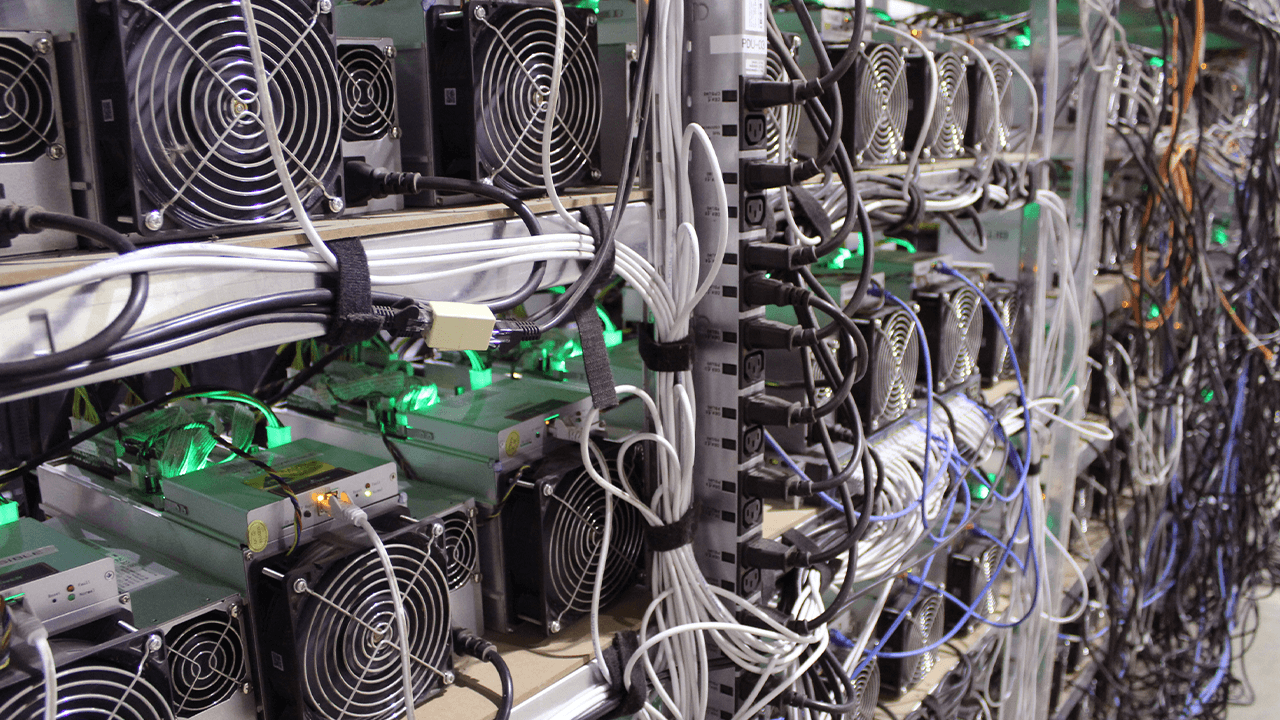
Bitcoin's hashrate has rebounded decisively to reclaim the 1 zettahash per second (ZH/s) threshold after shedding roughly 100 exahash per second in computational power. The recovery comes as bitcoin's price retreated to levels last seen in early September 2024, reaching $55,081 on Bitstamp by mid-week.
Despite the hashrate's return to record territory, the mining industry faces mounting financial pressures. Revenue has plunged to extreme lows, with hashprice slipping below $28 per petahash per second of daily computational output. On November 21, hashprice fell to $26.16 per petahash per second per day, according to hashrateindex.com.
Transaction fees have provided minimal relief for miners. Over the past 24 hours, fees represented just 0.64% of total block rewards—considerably less than 1% of miners' total earnings. Bitcoin miners have found that annual fee revenue is tracking toward its lowest level since at least 2011.
The Economics of Mining Equipment
The financial strain becomes apparent when examining earnings from today's most advanced SHA-256 mining machines. At an electricity rate of $0.10 per kilowatt-hour, even newer hydro-cooled models operate on thin margins. Bitmain's Antminer S23 Hydro 3U, producing 1.16 petahashes per second, generates an estimated daily profit of just $6.29 under current market conditions.
Other machines fare worse. Bitdeer's Sealminer A4 Ultra Hydro produces estimated daily profits of $4.92, while Bitmain's Antminer S23 XP Hyd generates $4.12. Machines operating between 318 and 865 terahashes per second show estimated daily profits ranging from $0.58 to $3.66, before accounting for additional operating expenses.
Difficulty Adjustment Looms
Bitcoin's total hashrate currently stands at 1.06483 ZH/s as of late November. The recovery followed a 9.13% difficulty reduction on November 14, when the hashrate had slipped to around 912 EH/s.
However, the gains may prove short-lived. An estimated 8.99% difficulty increase is projected for late November, driven by Bitcoin's block intervals running faster than the network's intended 10-minute average. Blocks are currently being discovered every 9 minutes and 10 seconds on average.
Miners operating at such depressed hashprices are relying on existing capital reserves to sustain operations. With diminished earnings and dwindling bitcoin reserves, miners face an increasingly unforgiving economic environment.