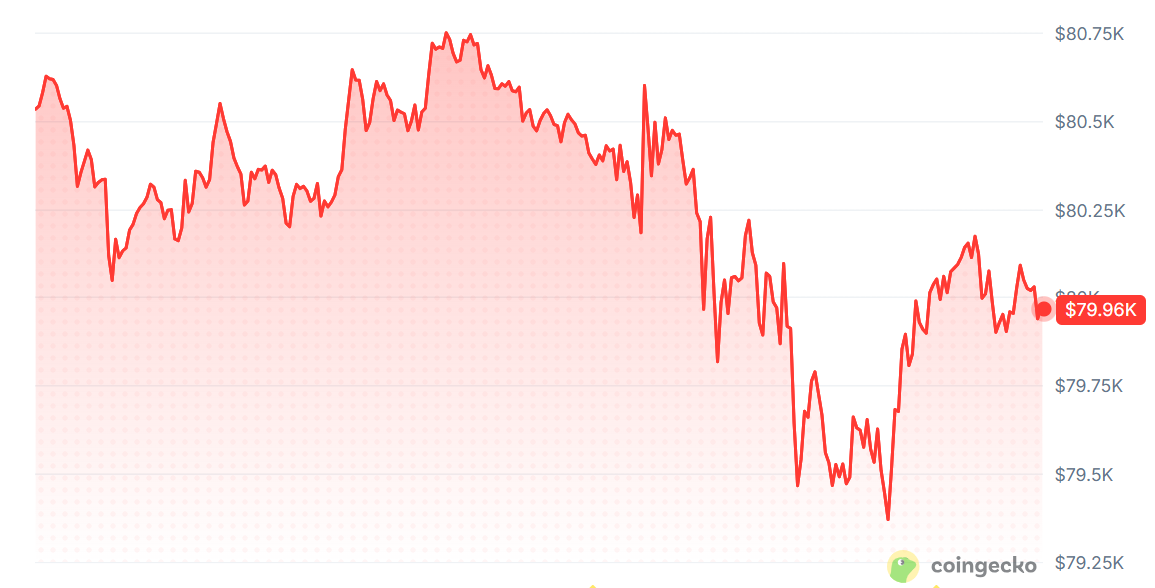
Bitcoin experienced a 4% decline this week following a three-week rally that pushed the price from $75,000 to $87,000, according to CryptoQuant data. The pullback has raised concerns about potential capitulation among investors, though analysts remain divided on the market's direction.
Profit-Taking Signals Mixed Messages
Short-term holders transferred 45,600 BTC to exchanges within 24 hours, suggesting profit-taking activity. However, CryptoQuant identified a notable detail: of those transfers, 29,100 BTC were moved at a loss—the largest loss-side exchange flow since June's pre-rally consolidation period.
This metric raised questions about whether some investors were realizing losses rather than simply locking in gains. Bitcoin's critical technical level has been identified at $74,600, representing the Short-Term Holder Realized Price. Maintaining this level would preserve the early bull-market structure.
Additionally, U.S. government Bitcoin holdings fell by 17,468 BTC since October 6, leaving a balance of 174,481 BTC, adding to overall selling pressure in the market.
Contrasting Data on Market Sentiment
Santiment's analysis presents a different picture. Between October 2 and 8, Bitcoin holders realized $3.3 billion more in profits than losses. The week saw no single day close with net realized losses, contrasting sharply with the week of August 14-20, which recorded approximately $1 billion in net realized losses across six of seven days.
This suggests the recent correction reflects profit-taking behavior rather than widespread capitulation, according to the analysis.
Accumulation Pressure and Bear Trap Potential
Several factors indicate continued buying interest. Whale orders have concentrated around key price levels, and Fidelity purchased $354 million in Bitcoin recently. Bitcoin has also recorded higher lows for four consecutive months despite shifting macroeconomic conditions.
With $3.3 billion in short positions potentially facing liquidation if Bitcoin moves toward $85,000, analysts suggest the current dip could develop into a bear trap for sellers betting on further declines.