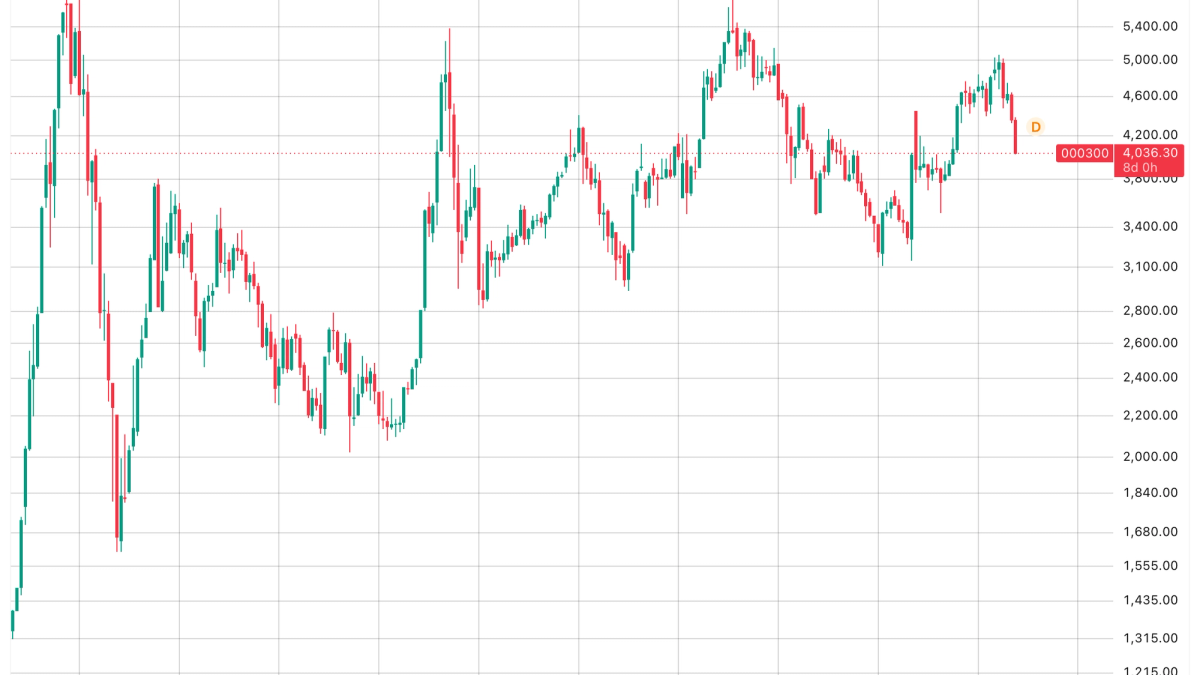
Bitcoin is holding around $80,000, a level that Glassnode identifies as the estimated average acquisition cost for US spot Bitcoin ETFs and publicly traded corporate treasuries. The largest cryptocurrency briefly dipped below its ETF cost basis of about $81,500 during an Oct. 15 selloff, closing hourly near $80,100, before rebounding.
ETF inflows have slowed sharply, with net inflows falling 95.6% in a day. Farside Investors recorded $526.7 million in net inflows on Oct. 19 and $23.2 million on Oct. 20, both positive sessions totaling $549.9 million. The slowdown reflects a reduction in new net money rather than outflows, which are tracked separately.
Institutional cost bases in focus
Glassnode's Oct. 21 report shows that corporate treasuries in its coverage hold bitcoin at an average cost near $80,200. The largest block of spot bids on Binance sat near $80,000; the selloff consumed most of it, and bids had reappeared by Oct. 20 at a smaller size.
Above $80,000, Glassnode finds overhead supply between $85,000 and $87,500, where coins bought six to 12 months ago average near $86,700 and modeled futures liquidations cluster between $85,000 and $87,000. Below $80,000, a liquidation cluster sits near $79,600, and the True Market Mean is near $77,600.
Average spot ETF trading volume over 30 days is less than a quarter of its level a year earlier, according to Glassnode. Corporate treasury purchases since June run at less than 10% of the November 2024 peak.
Two days of inflation tests
A $26 billion five-year TIPS auction on Thursday afternoon will test demand for inflation-protected debt. A weak reception can lift real yields even when inflation expectations hold steady, so the five-year real yield and breakeven inflation should be read together.
On Friday, flash PMIs at 9:45 a.m. and the final University of Michigan inflation expectations survey at 10:00 a.m. will provide updates on business pricing and household expectations. September CPI reached 3.7% annually, and the preliminary Michigan survey put one-year expectations at 4.7% and longer-term expectations at 3.5%.
The Fed raised its target range to 3.75% to 4.00% in September, and 94 of 100 economists in a Reuters survey expect a hold at the Oct. 28 decision.
Hotter readings could lift short-dated Treasury yields and the dollar. The two-year yield stood near 4.8% on Oct. 20, up more than a percentage point in 2026, according to Glassnode. However, the chain is conditional: a hot producer-price report on Oct. 15 arrived as the 10-year yield fell to about 5.087% and the dollar retreated from an 18-month high.
What breaks the range
From $80,000, the True Market Mean is 3% lower, and $87,500 is 9.4% higher; from the $81,500 ETF cost basis, $87,500 is 7.4% higher.
If Michigan expectations hold at or below the preliminary readings, PMI price components ease, the two-year yield falls, and the dollar stays flat or weaker, Bitcoin has room to test $85,000 to $87,500. A move through $87,500 on better volume and repeated ETF inflows would show demand above the cost basis.
If expectations come in above the preliminary readings, PMI prices run hot, the two-year yield and the dollar climb, and ETF flows turn negative, the replenished bids face a real test. A close below $80,000 would put the $79,600 cluster first, and the $77,600 True Market Mean next. A reading that raises yields while Bitcoin holds $80,000 and keeps drawing inflows would point to other demand offsetting the rate shock.
Bitcoin has found buyers near its institutional cost bases, and Friday's data will test whether that demand reaches the supply above it before the Fed meets.