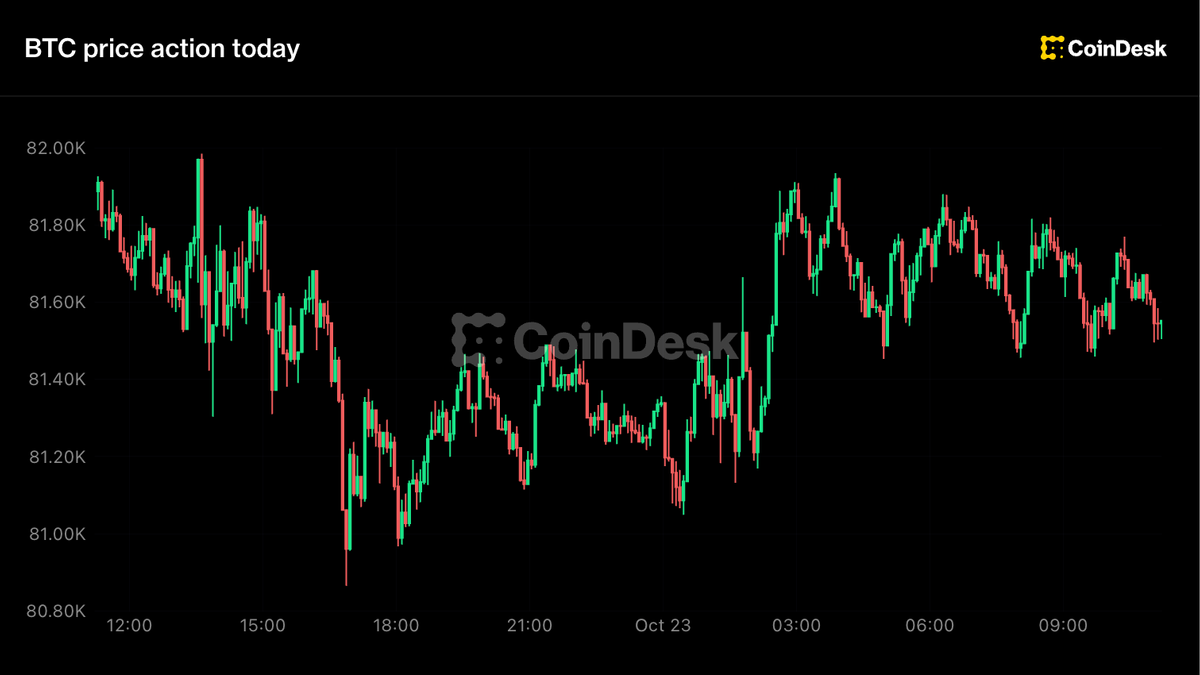
Bitcoin's lowest price this year came far earlier than historical precedent would suggest. The cryptocurrency touched $57,850 on July 1, some 125 days before the November 3 midterm elections. By October 22, it had recovered to approximately $81,455, roughly 40% above that low.
In previous election cycles, bitcoin has bottomed shortly after midterms. The cryptocurrency reached major bear-market lows in January 2015, December 2018, and November 2022, arriving approximately 71, 38, and 13 days after their respective election days.
Historically, bitcoin has also experienced substantial weakness in the broader pre-election period. The cryptocurrency fell approximately 29% in the six months before the 2018 midterms and 37% before the 2022 vote.
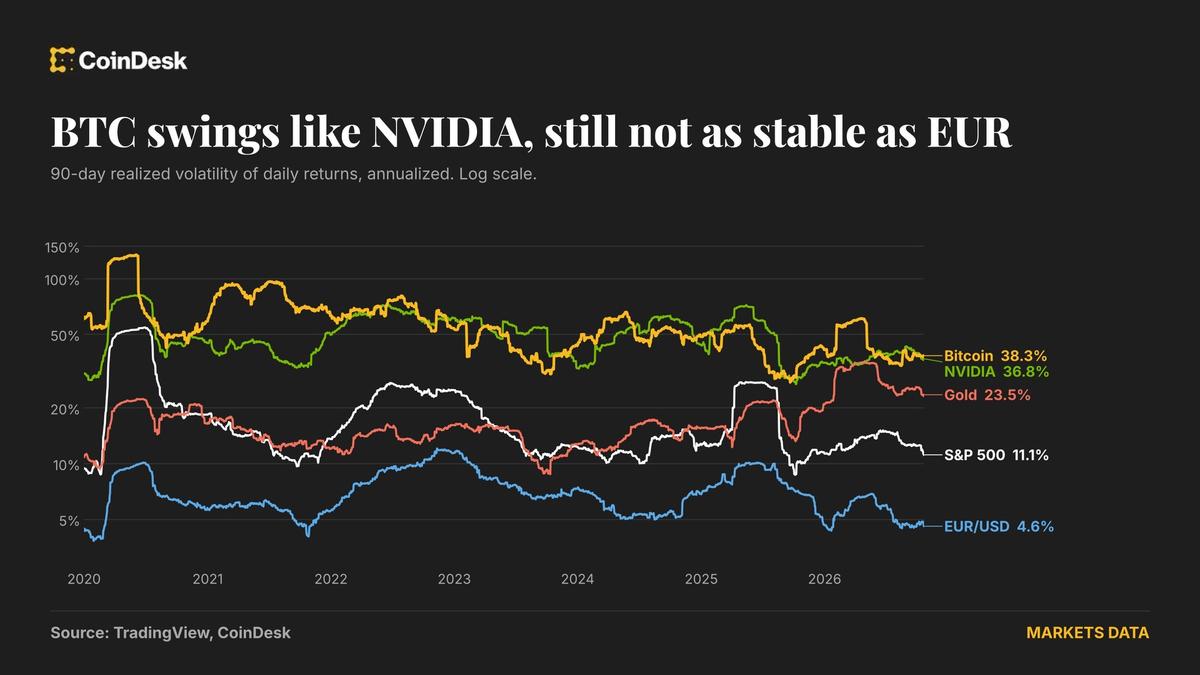
Bitcoin and technology stocks have both declined roughly 6% over the past 30 days. Over a 90-day period, however, bitcoin gained 26%, compared with the Invesco QQQ Trust's 3% gain. Technology stocks show a less consistent pattern around midterms. QQQ fell roughly 23% from the end of September to its December 2018 low and dropped 17% in the three months preceding the 2022 vote, but gained 17% over the six months before the 2014 midterms.
The divergence between bitcoin's and QQQ's performance suggests that bitcoin's historical midterm weakness reflects its own market cycles more consistently than an election effect.