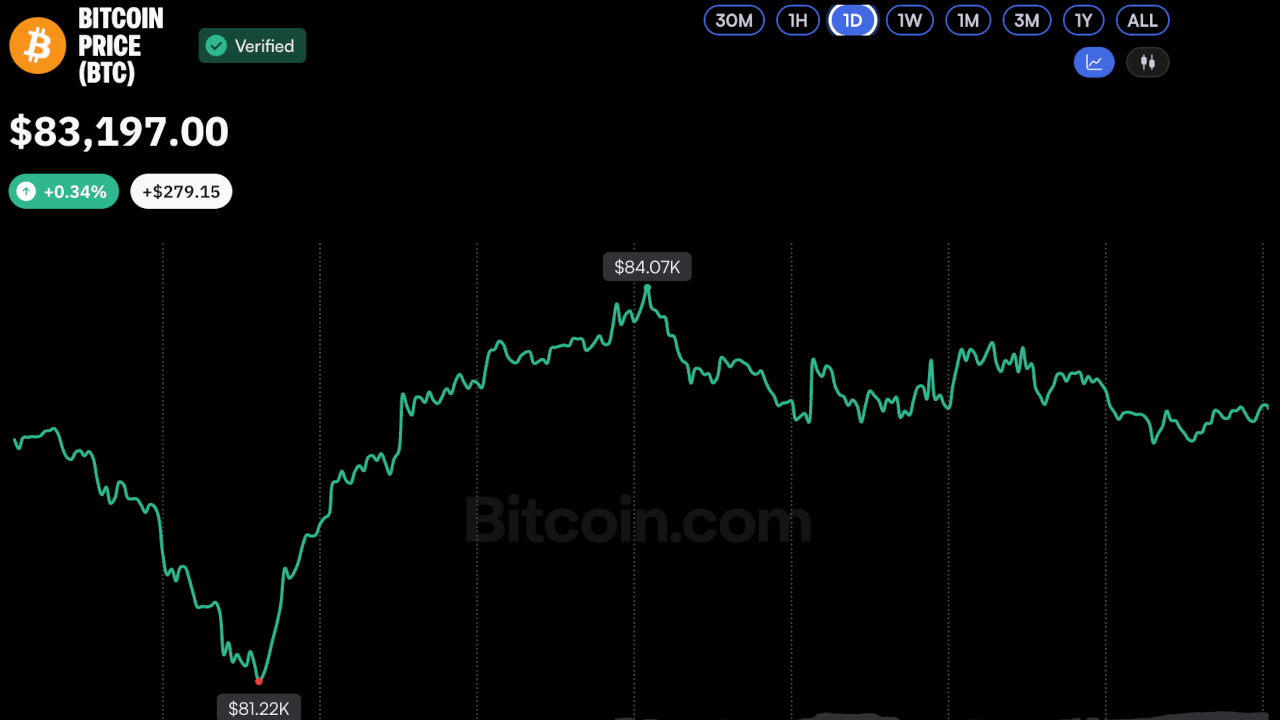
Bitcoin's near-term direction depends heavily on the US bond market, where Treasury yields have climbed to 24-year highs, making government bonds increasingly attractive to investors at the expense of riskier assets including cryptocurrencies.
The 10-year US Treasury yield briefly reached 5.35% in early October, while the 30-year yield approached 5.7%. These levels have not been seen since 2002. As Treasury yields rose, Bitcoin fell below $82,000, and selling pressure spread across the broader crypto market.
Why Rising Bond Yields Pressure Crypto
US Treasury bonds offer fixed interest payments backed by the government. When yields rise, investors can earn higher returns without taking the volatility risks associated with cryptocurrencies. Since Bitcoin generates no fixed income, higher Treasury yields make bonds increasingly competitive for investor capital.
The shift has extended beyond crypto. Higher yields also increase borrowing costs and have reduced appeal in technology stocks, with crypto-linked equities recording weekly declines.
Broader Crypto Market Weakness
During the week of October 3–9, Bitcoin declined 3.80% while Ethereum lost 8.39% and XRP fell 7.09%. Only around 20% of the top 300 cryptocurrencies tracked recorded gains, with a median weekly return of -5.18%.
Decentralized finance tokens also suffered losses. Uniswap's UNI declined 18.37% and PancakeSwap's CAKE lost 15.92%. However, some assets like The Sandbox's SAND token rallied 57.71%, attributed primarily to trading sentiment rather than fundamental improvements in the underlying projects.
October 14 Inflation Report as Key Inflection Point
The US Consumer Price Index for September releases on October 14, with an expected annual inflation rate of 3.6%, up from the previous 3.4%. This data will likely influence Treasury yields and crypto market direction.
Higher-than-expected inflation could strengthen expectations that the Federal Reserve will maintain elevated interest rates, potentially driving Treasury yields higher and creating additional selling pressure on Bitcoin and other risk assets. Softer inflation, conversely, could ease bond yield pressure and support a crypto recovery.
As long as US government bonds continue offering unusually attractive returns, Bitcoin and other cryptocurrencies may face continued headwinds.