The Crypto Fear and Greed Index fell to 56 on Monday, a neutral reading, down from 67 a week earlier and the August 26 peak of 82—the highest level recorded this year.
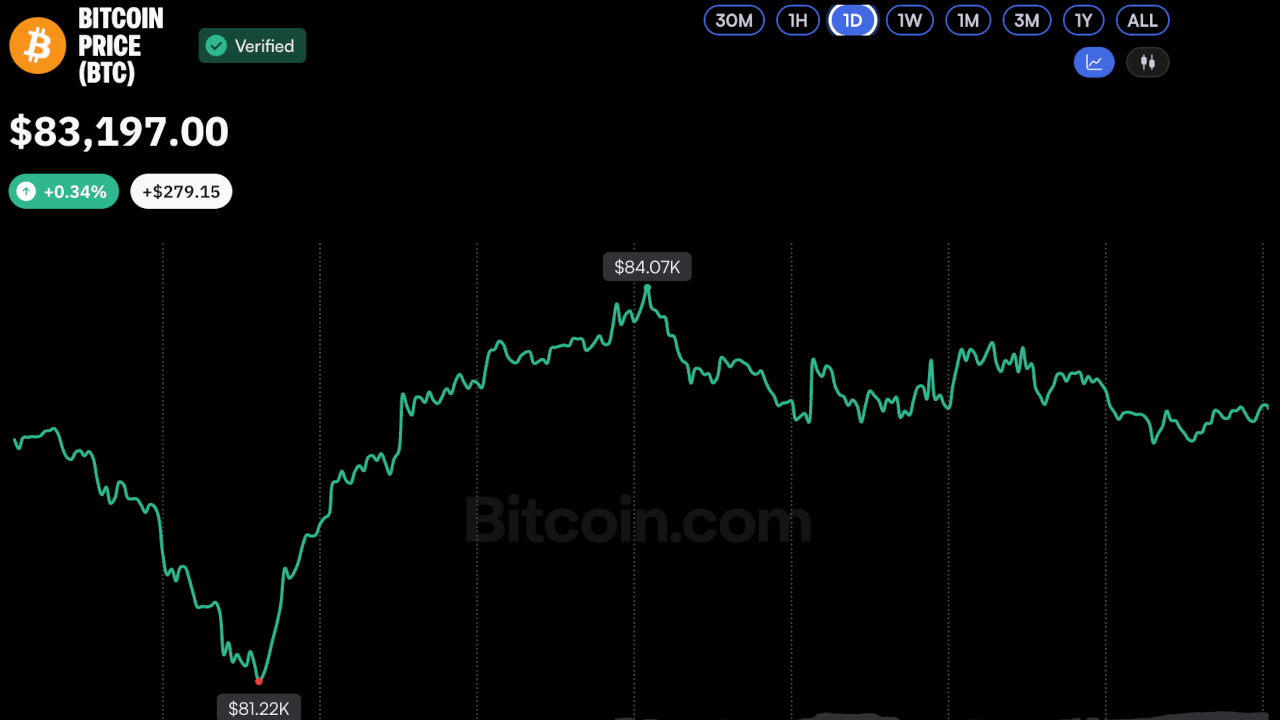
Bitcoin declined approximately 6%, dropping from $86,978 to $81,749.83, as macroeconomic headwinds pressured risk assets. Brent crude topped $101 a barrel following increased shipping disruptions around the Strait of Hormuz, while the 30-year Treasury yield climbed to 5.70%, its highest level since 2002.
Bitcoin recovered to trade near $82,000 by Monday, leaving it approximately 34% below its all-time high of over $126,000 set in October 2025. The decline marked a reversal after an August rally that lifted Bitcoin 24.9% and prompted industry analysts to declare an end to the bear market.
Market flows and trader sentiment shifted downward. Spot Bitcoin ETFs experienced significant outflows, losing $484.9 million on Wednesday and $244.1 million on Thursday—the worst days since June. October net outflows reached $386.3 million for Bitcoin ETFs, while Ethereum funds extended outflows to nine consecutive days with $635 million exiting this month.
Rising Treasury yields and oil prices typically compress demand for risk assets like Bitcoin, which generates no yield. Traders on prediction markets reflected this caution, assigning Bitcoin a 45% probability of touching $87,500 in October—down from 55% on October 7. Meanwhile, traders priced in 56% odds of Bitcoin declining to $80,000.
The cooling sentiment contrasted with seasonal patterns that typically favor cryptocurrency gains during this period, though macroeconomic conditions rather than sector-specific developments drove the shift.