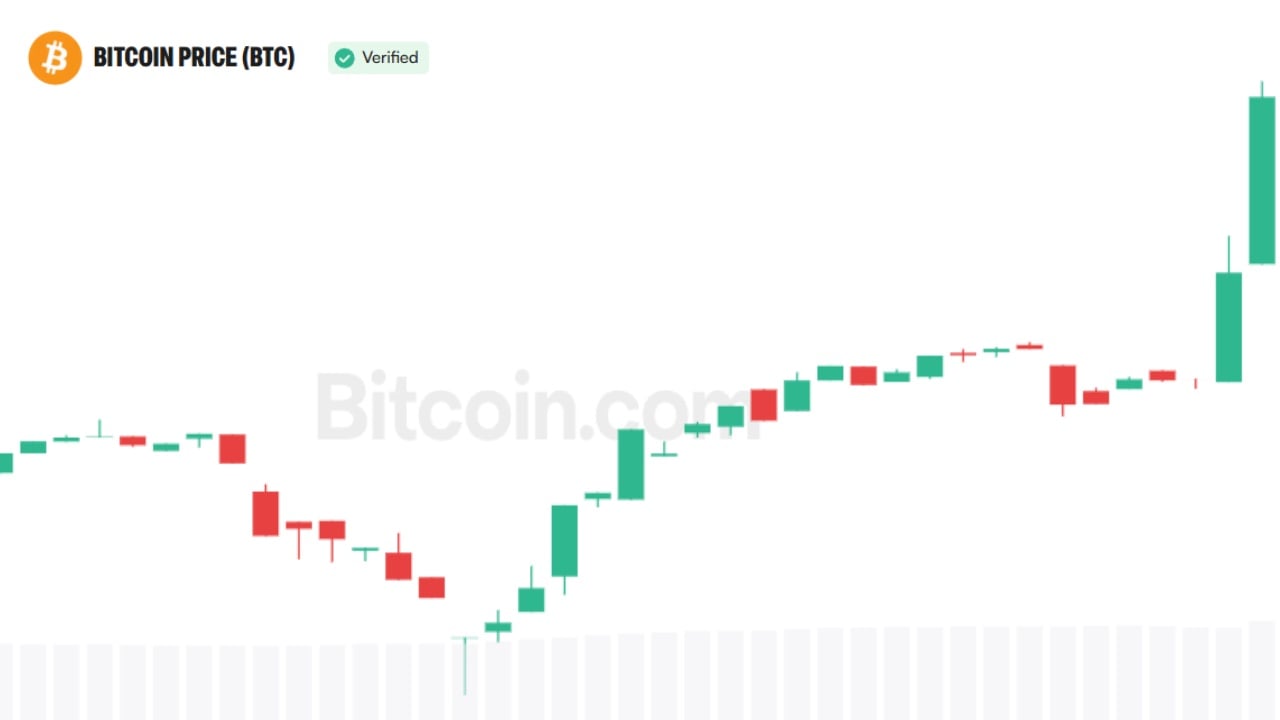
Bitcoin slipped below $77,000 on Wednesday, as weak on-chain momentum and increasingly bearish retail sentiment created a fragile market structure following the Democratic sweep in the U.S. elections, according to data from Santiment and CryptoQuant.
Retail sentiment turns bearish
Santiment data shows that Bitcoin retail sentiment has become increasingly bearish after the election results, with only 0.51 bullish comments for every bearish comment. Many traders view Republicans as more crypto-friendly, so the Democratic sweep has added another layer of uncertainty to an already weak market.
On-chain and technical indicators weaken
According to CryptoQuant, Bitcoin’s bounce from recent lows appears to be slowing, with low spot demand and prolonged liquidations taking Bitcoin towards $76,800. There is some spot buying, but it isn’t strong enough to offset selling and liquidation from the futures market. Meanwhile, BTC dominance has faced its third rejection near the 61% range, failing to break higher, signaling fading relative strength.
Fear and Greed Index recovers, but divergence remains
Bitcoin’s Fear and Greed Index dropped to 26 for the first time in three months. Since the election, the index has recovered over 30%, indicating less political uncertainty and a short-term recovery in sentiment. However, on-chain and technical indicators have yet to show the same recovery.
One analyst noted that Bitcoin has historically faced sell-offs after elections, raising the possibility of a 30% correction if the pattern repeats. For now, improving sentiment has kept Bitcoin from sliding into extreme fear, but clear signs of accumulation are still missing.
Market structure remains fragile
Bitcoin slipping below $77K, weak on-chain momentum, and bearish retail sentiment together create a very fragile market structure as investors digest the Democratic sweep. Unless the gap between investor confidence and underlying market demand starts to narrow, the latest rebound in the Fear and Greed Index may just be a short-term bounce after the elections. Another midterm-driven sell-off cannot be ruled out.