Bitcoin rallied past $81,000 on Friday, climbing from $78,000 to a two-week peak, amid fresh regulatory developments from the nation's two largest financial regulators.
The surge followed moves by both the Securities and Exchange Commission and the Commodity Futures Trading Commission to advance crypto market frameworks using their existing authority, suggesting that regulatory progress continues despite recent congressional setbacks.
SEC Introduces Tokenized Stocks Framework
The SEC announced a five-year "Innovation Exception" program designed to facilitate trading of tokenized U.S. stocks on blockchain platforms. The framework grants qualifying trading venues relief from certain exchange requirements and offers liquidity providers temporary exceptions from dealer-registration rules.
Tokenized stocks under the program must maintain the same core shareholder rights as traditional equities, including dividends and voting rights. However, synthetic products that merely track share prices will be excluded from the framework.
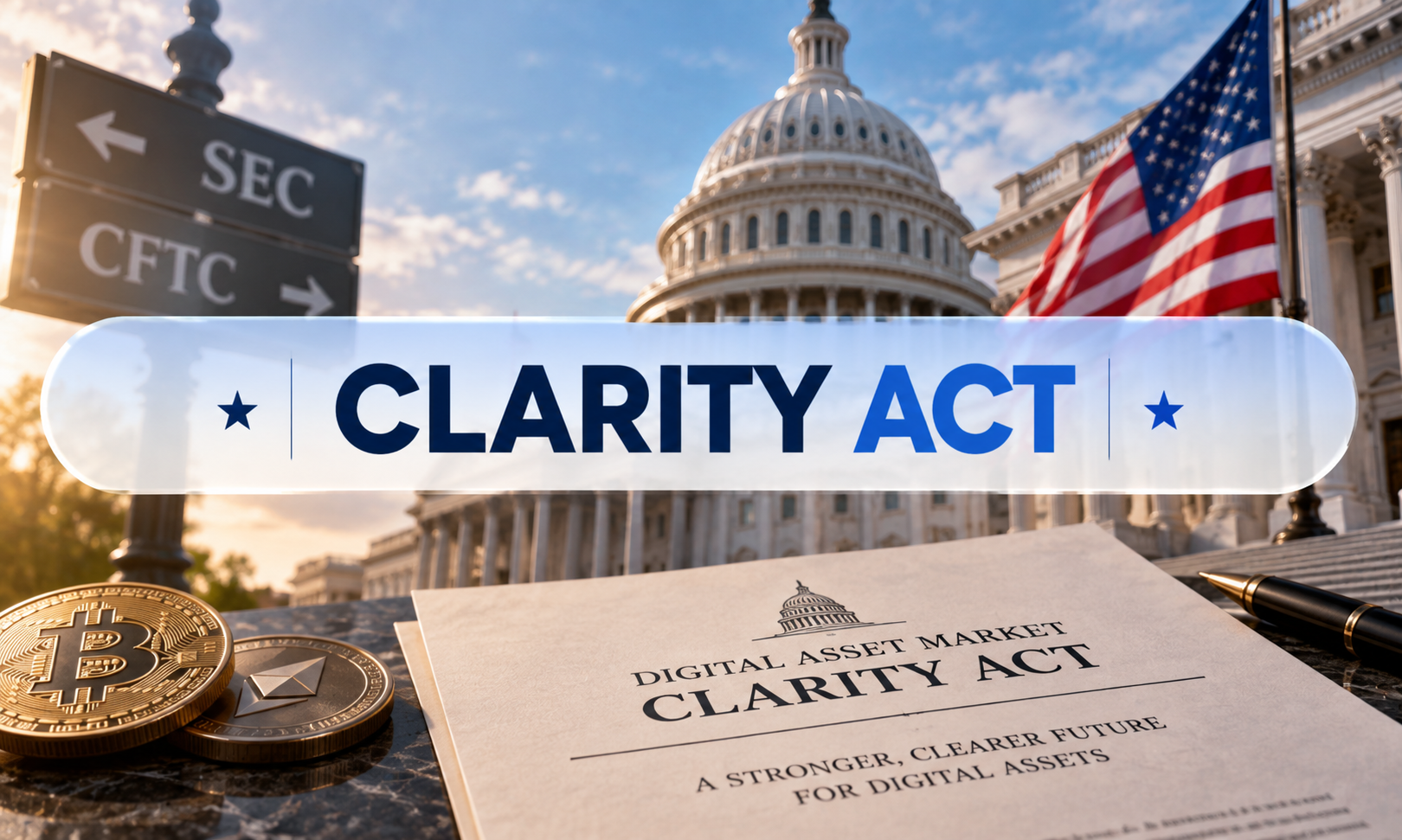
The SEC stated that the initiative could enable 24/7 trading, faster settlement, greater transparency, and self-custody arrangements while reducing barriers for blockchain-based securities platforms. The announcement came shortly after Congress failed to pass the CLARITY Act, though SEC Chair Paul Atkins indicated the agency would continue pursuing its crypto agenda regardless of legislative outcomes.
CFTC Submits Crypto Regulatory Proposal
The CFTC submitted proposed regulations titled "Regulation Crypto Asset Transactions and Regulation Crypto Asset Markets" to the White House Office of Information and Regulatory Affairs for review, advancing the next phase of a formal crypto market framework under the agency's existing powers.
The CFTC also issued a no-action position protecting certain software developers from being classified as introducing brokers when specific conditions are met. CFTC Chair Michael Seling previously indicated the agency would pursue this path even if Congress did not pass the CLARITY Act.
Regulatory Progress Despite Legislative Limits
While the SEC and CFTC actions do not replace legislation such as the CLARITY Act, the regulatory moves may have signaled to markets that the policy process remains on track. Rules developed by regulatory agencies are less stable than congressional legislation, as they can be modified by future administrations.