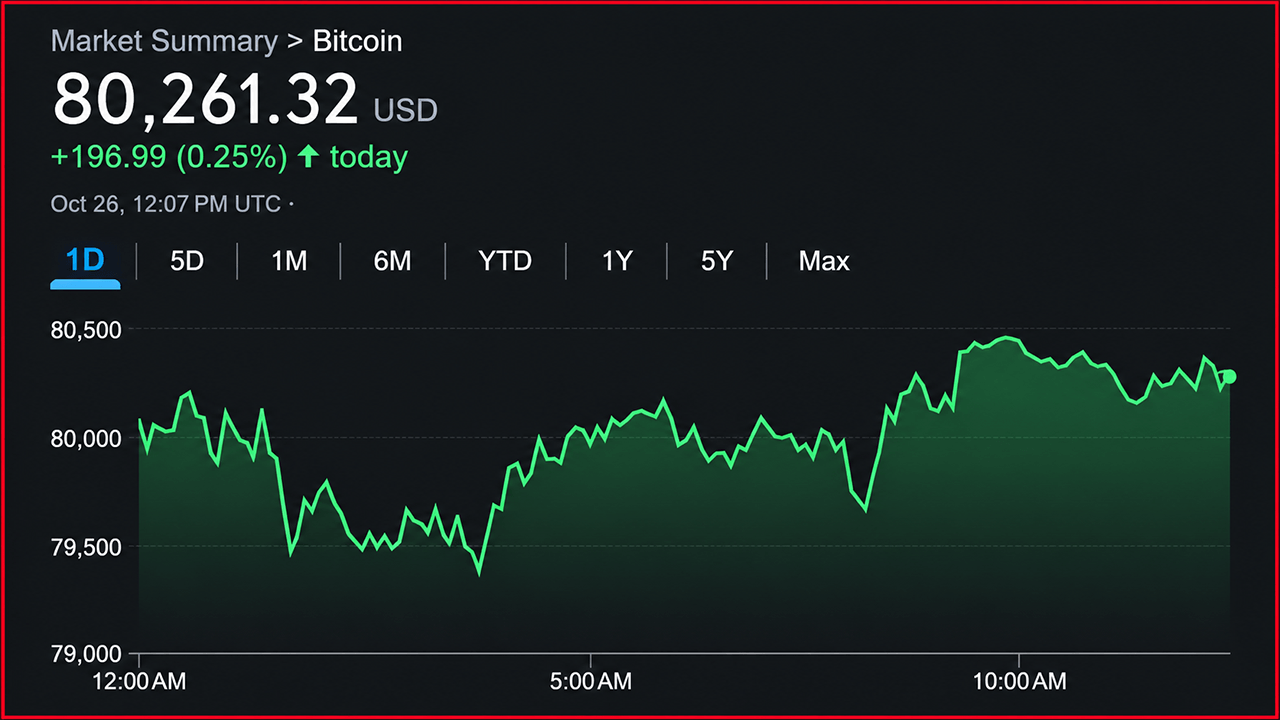
Bitcoin experienced high volatility over a 24-hour period, starting Friday at $84,000 before swinging up and back down to end the day flat, adding and losing $50 billion in market value along the way.
The initial upward movement was driven by disappointing US jobs data and falling Federal Reserve rate-hike odds, which pushed the cryptocurrency near $87,000. According to Binance data, this marked the third time in two weeks that Bitcoin was rejected near the $87,000 level, following previous tops on September 22 and 23.
The subsequent pullback followed reports from the United Kingdom Maritime Trade Operations (UKMTO), a Royal Navy-run center tracking threats to merchant ships, regarding an incident in the Strait of Hormuz. A tanker's master reported being struck by a projectile at 11:22 UTC during an outbound transit, resulting in a small fire and a temporary power blackout. The crew extinguished the fire, and the vessel continued moving with no reported casualties or pollution. While viral posts on social media blamed Iran, the UKMTO stated that authorities are investigating and did not officially name the attacker.
The incident marked the sixth tanker attack of the week in the strait, following a similar strike that caused a fire on the Kuwait-flagged supertanker Kazimah III a day earlier, and at least 16 attacks in the strait during September according to Seatrade.
Despite the maritime disruption, crude oil prices remained relatively calm compared to crypto markets. US crude spot traded near $93.70 and Brent spot near $106.30, both up less than 0.25%, while Brent futures had earlier fallen 2.89% to $99.35 amid reports that the European Union and International Energy Agency members were considering stockpile releases.
Economists and reports noted that regional tensions persist, supported by renewed US military deployments to the area—including two Patriot missile batteries sent to Saudi Arabia and Qatar and a third carrier strike group—alongside threats of renewed military action.