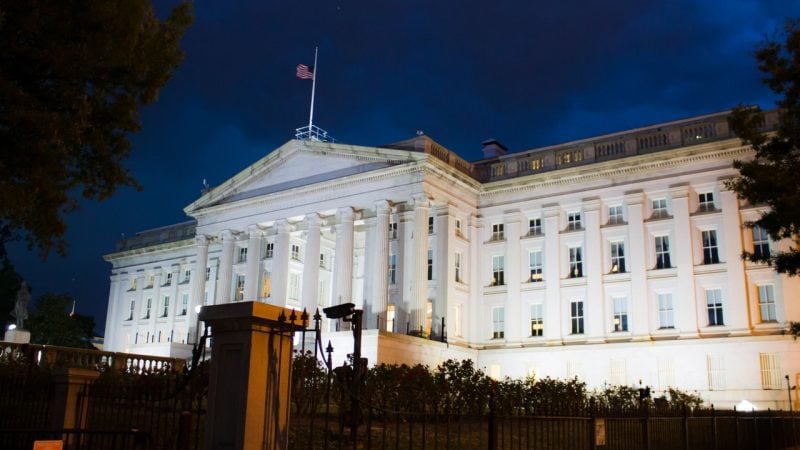
The Blockchain Association submitted comments to the US Department of the Treasury on October 19, 2026, the final day for public input on a proposed stablecoin rule. The group endorsed Treasury's effort to establish regulatory clarity while identifying several areas where it believes the draft requires refinement to align with congressional intent and avoid excessive liability and compliance burdens.
Treasury's proposed rule, published around August 18, 2026, implements Section 3 of the GENIUS Act, the federal framework governing payment stablecoins. The rule defines who qualifies as issuing and selling payment stablecoins in the US and establishes prohibited activities.
Key Areas of Concern
The Blockchain Association focused its comments on four main issues:
- Platform definitions: The group seeks to limit the term "digital asset service provider" to entities that provide actual services to customers, excluding self-custody software and certain trading firms.
- Criminal liability: The association questioned the standards proposed for criminal liability tied to unlawful stablecoin issuance.
- Foreign issuers: The group raised concerns about Treasury's treatment of stablecoins issued overseas. As of mid-October 2026, no foreign issuers had been approved under the GENIUS Act framework.
- Decentralized systems: The association addressed how location-based tests would apply to decentralized systems that do not conform to national borders.
Additional Requests
Beyond these four areas, the Blockchain Association urged Treasury to eliminate an open-ended "functional equivalent" test, revisit initial compliance cost estimates, and align effective dates with related regulations under the GENIUS Act.
Background
The Guiding and Establishing National Innovation for U.S. Stablecoins Act was signed into law on July 18, 2025. The law requires federal or qualifying state oversight for anyone issuing payment stablecoins in the US and takes effect by January 18, 2027, or 120 days after final rules are enacted. Treasury's proposal received more than 100 submissions during its comment period.