The Blockchain Association submitted a 26-page comment letter to the U.S. Treasury Department on October 19, 2024, requesting revisions to proposed GENIUS Act stablecoin rules before they take effect on January 18, 2027. The filing responds to Treasury's proposed rule on payment stablecoin issuance, offering, and sale, and calls for clearer definitions and narrower liability standards.
The BA stated that its letter aims to ensure the final rule aligns with Congressional intent and supports Treasury's core objective of promoting safe, reserve-backed stablecoins issued by regulated entities. However, the Association raised three significant concerns that could influence the final framework.
Defining Digital Asset Service Providers
The BA argued that the Treasury's proposed definition of Digital Asset Service Providers (DASPs) is too broad. According to the Association, Congress defined DASPs as businesses serving customers, and the definition should exclude firms trading their own assets and core infrastructure providers such as validators and self-custody software. The BA warned that an expansive interpretation would impose compliance burdens on entities Congress did not intend to cover.
Narrowing Liability Standards
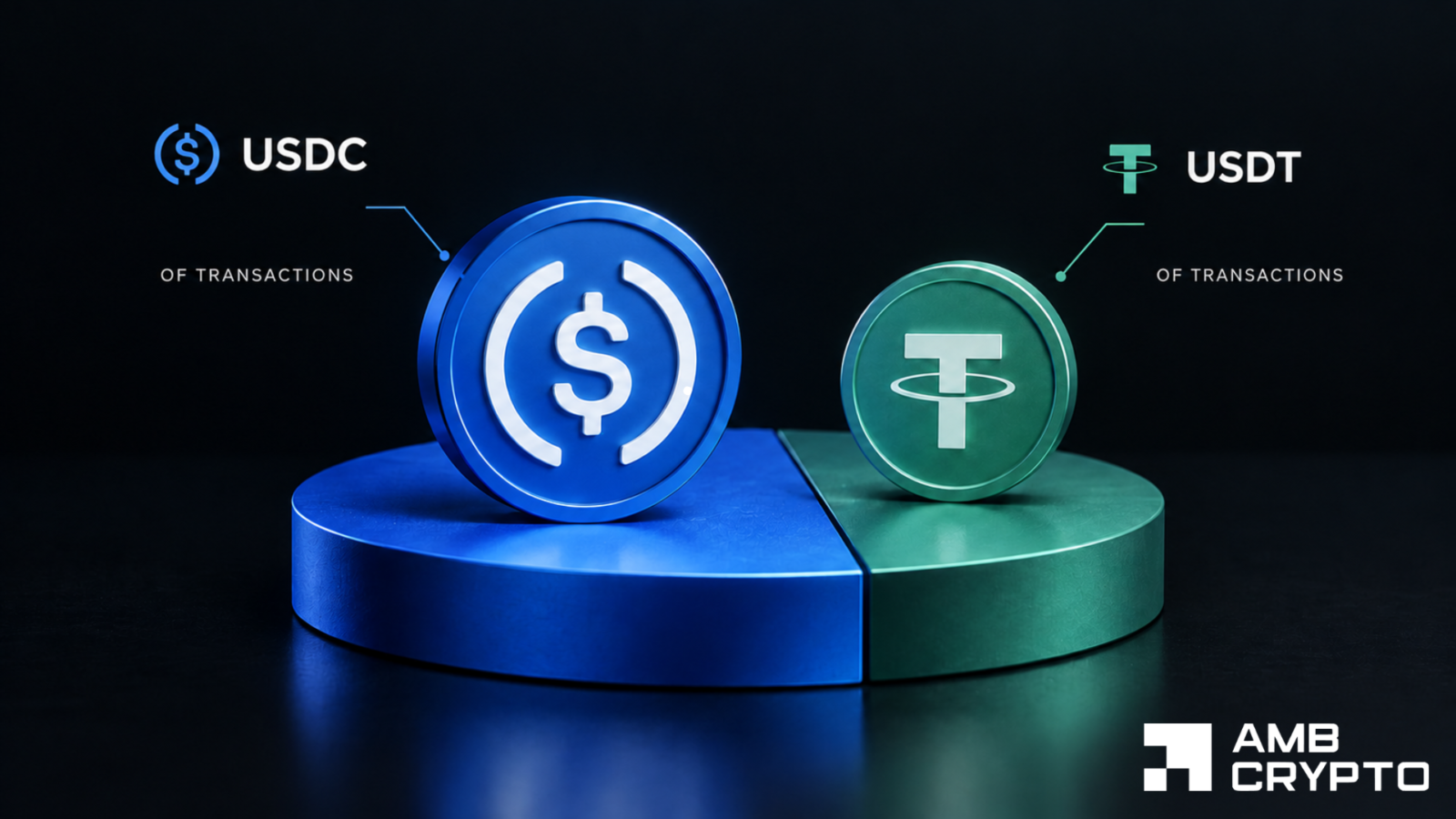
The Association criticized the proposed "knowing participation" standard for liability, noting that ordinary secondary-market trading or market-making could carry criminal penalties as currently written. The BA requested that Treasury limit liability to cases involving "actual knowledge and substantial assistance in coordination with the issuer." This clarification matters given that stablecoins like USDT and USDC hold $183 billion and $73 billion respectively and are deeply embedded in global secondary markets.
Foreign Issuer Requirements
The BA opposed open-ended due diligence requirements for foreign stablecoin issuers, particularly because many DASPs have no direct relationship with those issuers. The Association proposed allowing firms to rely on regulators' public prohibition lists based on actual knowledge rather than a broader "reasonably believes" standard.
Market Impact and Implementation
Clearer rules on DASPs and liability would reduce compliance uncertainty for issuers, exchanges, and infrastructure providers. The BA noted that narrower liability protections are essential for secondary trading and market-making in the stablecoin market, which reaches approximately $302 billion. Treasury received 123 total comment submissions before the October 19 comment period closed.
The Federal Reserve has also unveiled separate proposals covering stablecoin reserves, capital, and custody requirements. Treasury will now review all submissions before issuing final rules that are expected to have cross-border implications, including briefings already provided to the United Kingdom on implementation details.