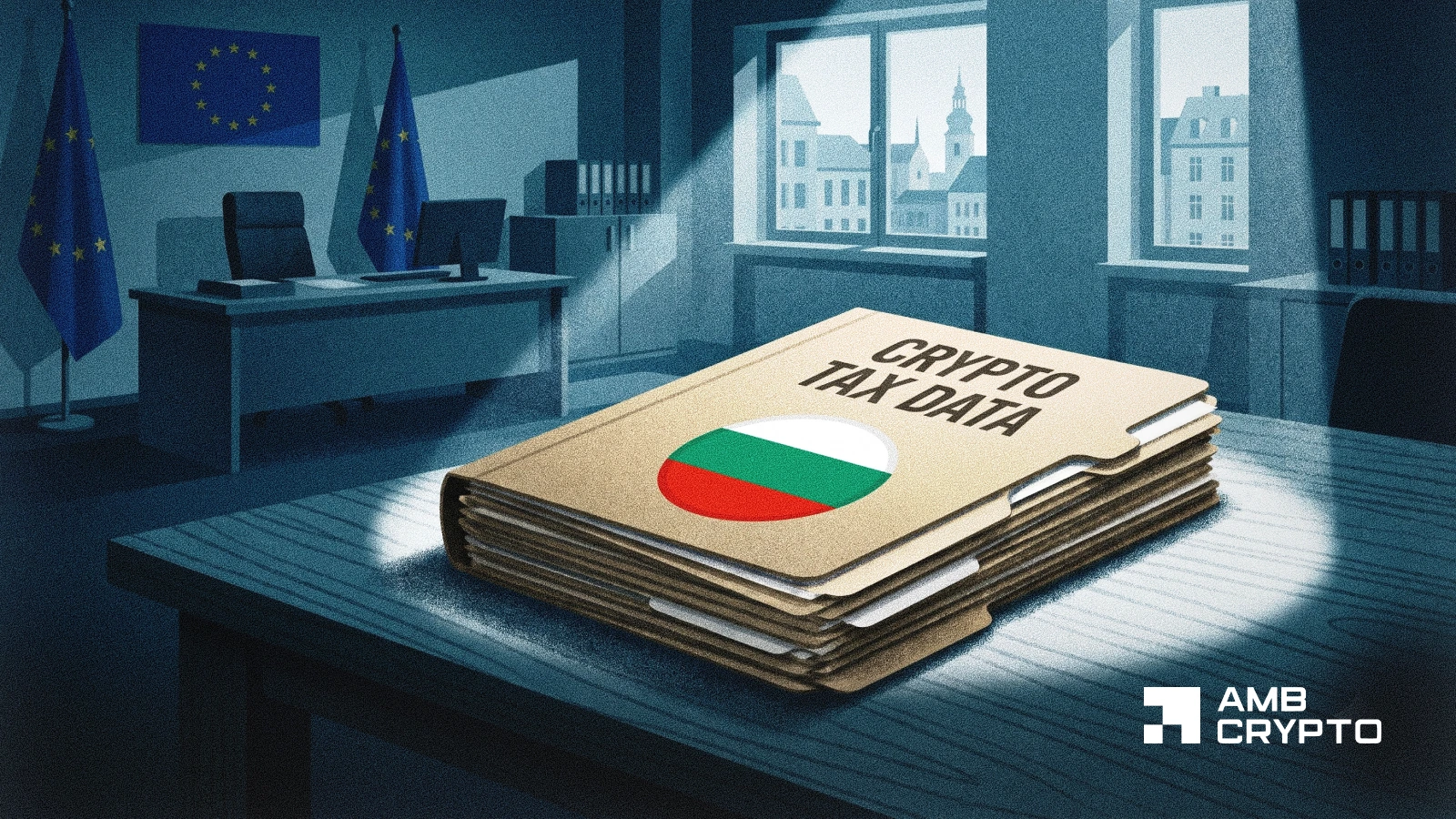
Bulgaria has adopted the EU's DAC8 directive on crypto tax reporting, aligning with European Union standards for automatic cross-border reporting of cryptocurrency transactions. The National Assembly voted unanimously on September 9 to amend the country's Tax and Social Security Procedure Code to implement the directive, completing the legislative process more than eight months after the EU's original implementation deadline of January 2026.
The directive was introduced in late 2025 to address tax evasion and fraud across the EU by expanding automatic reporting requirements to crypto assets. Bulgaria's implementation comes after the country made formal amendments to accommodate the directive in May.
New Reporting Requirements
Beginning January 2026, crypto platforms and exchanges operating in Bulgaria must register with the National Revenue Authority (NRA) and collect specified information from users. Required data includes user identities, traded or transferred volumes in both cryptocurrency and fiat currency, and details of all transaction types, covering crypto-to-fiat and crypto-to-crypto trades.
A significant provision requires platforms to report external withdrawals to self-custody wallets. The reporting mandate applies only to withdrawals from regulated platforms; transfers between self-custody wallets remain outside the reporting requirement.
Timeline and Compliance
The first cross-border sharing of crypto tax reports is scheduled to begin in January 2027. Platforms that fail to comply with the new reporting rules may face account restrictions. The EU's broader anti-money laundering package targeting crypto is also set to take effect in mid-2027, establishing what the EU intends as full traceability of crypto transactions across the region by that time.
Bulgaria ranks 19th among EU member states for crypto adoption. The impact of these rules on the country's crypto sector growth remains unclear.