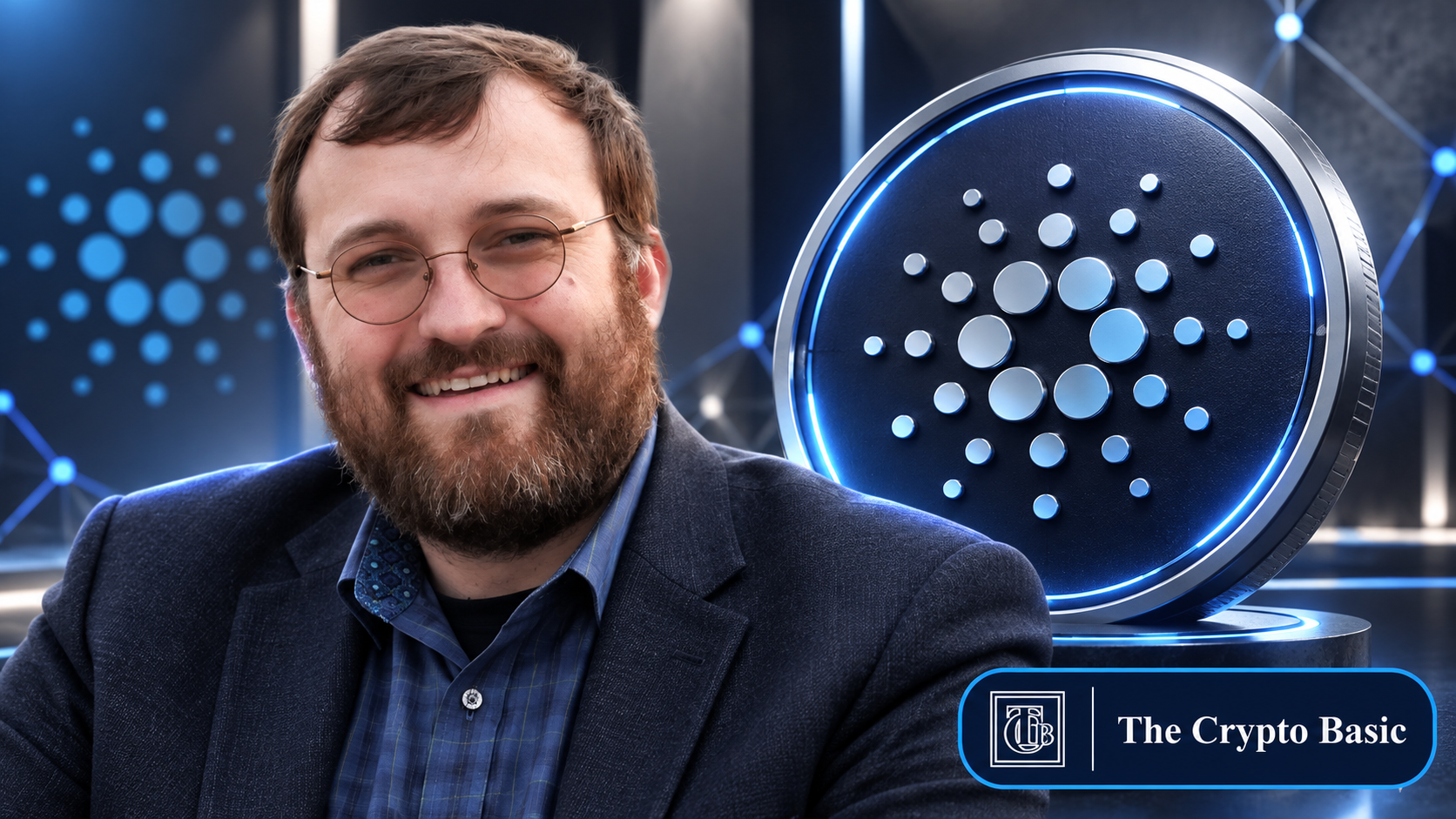
Charles Hoskinson declared Cardano's roadmap complete during a November 7 AMA, stating that the network can now govern itself without depending on its founder for direction.
"The roadmap is complete. Everything I said is going to be built has been built," Hoskinson said. He characterized the completion as fulfilling his original vision rather than ending all future development on the network.
Governance as Evidence of Completion
Hoskinson pointed to Cardano's constitution, community treasury access, and independent leadership selection as proof that his original assignment had been accomplished. He described the network as self-determining, emphasizing that its community can make decisions without his personal approval.
The Plomin hard fork on January 29, 2025, activated the full set of governance actions and delegated representative role under CIP-1694. ADA holders now participate through representatives in decisions involving protocol changes, treasury withdrawals, and future hard forks, with governance responsibilities shared among delegated representatives, stake pool operators, and the constitutional committee.
Original Roadmap Structure
Cardano's development roadmap organizes around five major themes: Byron, Shelley, Goguen, Basho, and Voltaire. These cover the network's foundations, decentralization, smart contracts, scalability, and governance respectively.
Ongoing Technical Work
Despite the completion declaration, technical upgrades continue. In October, Hoskinson identified Leios as a remaining milestone for network scalability. A November 6 update from Intersect reported that a Musashi test-network release contained full Linear Leios functionality, though Node 11.3—combining Leios with the complete Dijkstra feature set—was estimated to be at least two to three weeks away from release candidacy.
The distinction between implementing technology in testing environments and activating it on the production network remains significant for ongoing development timelines.
Future Growth Through Applications
Hoskinson's comments reflect a broader argument that Cardano's future growth should increasingly come from applications built on its infrastructure rather than from foundation-directed development. Community governance now provides a mechanism to fund and approve the network's next steps.




