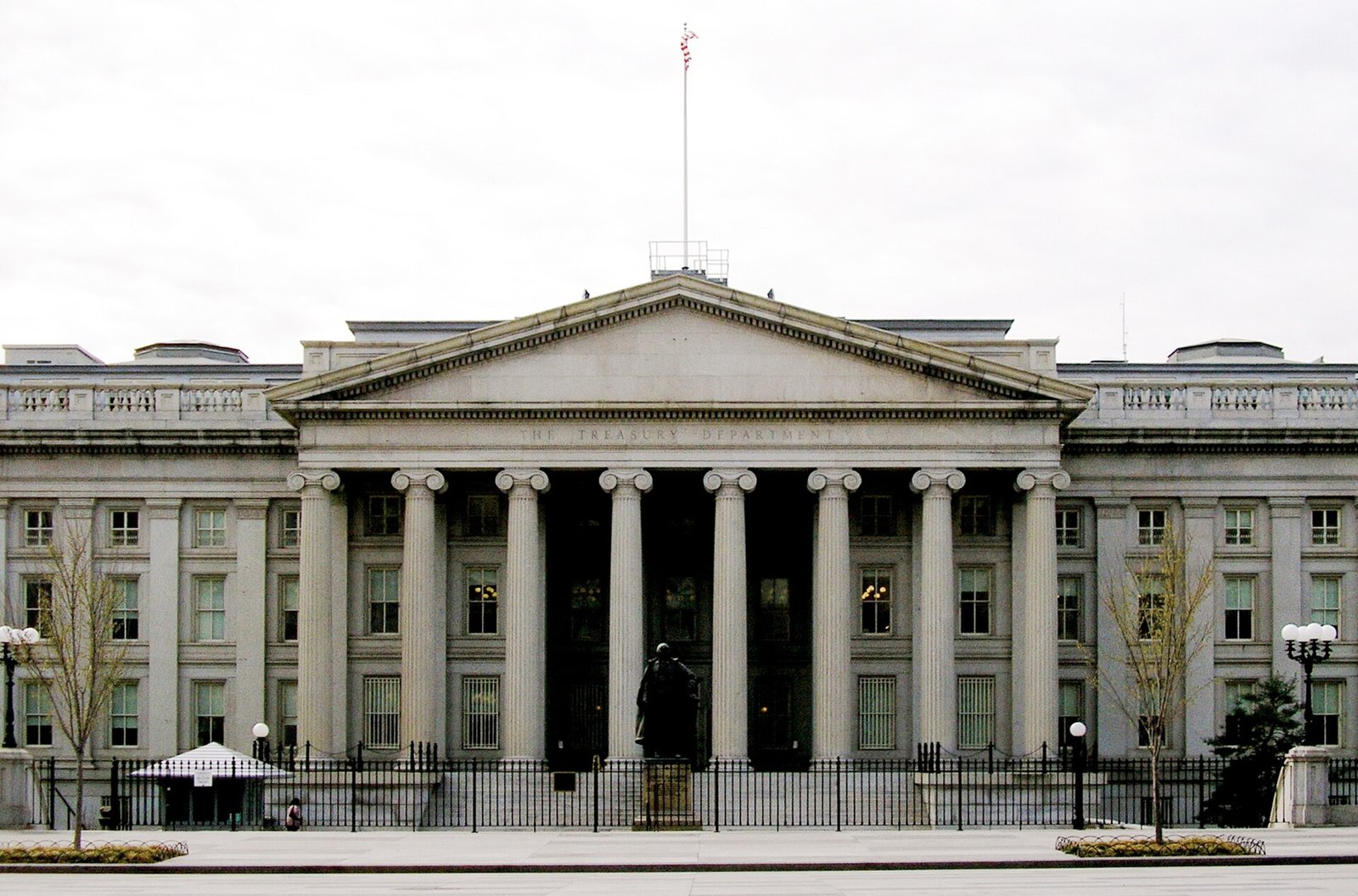
The Commodity Futures Trading Commission (CFTC) has given US derivatives exchanges 30 days to remove domestic geographic restrictions that violate its impartial-access rules or explain why compliance is not feasible, according to a November 5 demand. The move puts fresh federal pressure on the geographic controls that the Sixth Circuit said could coexist with prediction market Kalshi's federal obligations.
Geofencing at the center of the dispute
The conflict centers on geofencing: using a trader's location to determine which markets they can access. The CFTC now says otherwise eligible US participants generally should not be excluded by geography. In September, the Sixth Circuit reasoned that exchanges could use geographic limits while meeting federal obligations.
The instruction applies to designated contract markets, or DCMs. The same release says they should ensure intermediaries accessing their markets comply within 30 days, or explain why compliance is not feasible. The CFTC's interpretation expects exchanges to examine access criteria, exchange rules and intermediary arrangements. The Commission says it will consider each case's facts and circumstances before potential action.
The 30-day demand comes from the dated release; the accompanying PDF remains subject to pre-publication technical corrections and retains an unfilled effective-publication-date placeholder.
The CFTC argues that excluding eligible traders can fragment liquidity and weaken price discovery. Its guidance highlights election markets where local participants may contribute useful information, presenting these as potential costs of geographic exclusion.
Why federal pressure does not settle access
In its September 25 preliminary-injunction opinion, the Sixth Circuit held that Kalshi had not shown its sports-event contracts met the relevant statutory definition of a swap, the classification behind its claim to exclusive CFTC oversight. It read that definition as requiring an inherent financial, economic or commercial consequence, rather than the downstream effects of a sports result.
The panel then reached an alternative holding: even assuming the contracts were swaps, the Commodity Exchange Act did not expressly or impliedly preempt Ohio and Tennessee gambling laws.
Geofencing appeared within that second analysis. Rejecting Kalshi's argument that compliance with both regimes was impossible, the judges read impartial access as access to whatever markets an exchange offers. They did not read it as requiring every event contract to be available in every state, and pointed to geographic controls used by other companies.
The new CFTC position directly challenges that regulatory premise. But changing the interpretation of an access rule does not, by itself, undo the court's swap-classification decision or the rest of its preemption analysis.
The CFTC challenges the access rationale; its interpretation does not reverse the separate swap and preemption holdings. The release covers DCM restrictions that violate impartial access and permits an infeasibility explanation. Diagrams in the release are schematics of legal readings, not a current Kalshi access map or a statement about any mandate or stay.
The Sixth Circuit affirmed the denial of Kalshi's Ohio preliminary injunction, vacated its Tennessee injunction and remanded. That ruling was not itself an instruction to geoblock users in either state.
A separate CFTC proposal published October 19 would expressly include sports, political, cultural and weather event contracts in the swap definition. Comments are due November 18.
Geographic limits reach crypto distribution
The geographic limits reach crypto distribution. Crypto wallet Phantom's availability table lists Kalshi prediction markets in the US except Michigan, Nevada and Washington. Its October 28 integration announcement says restrictions vary by market category, and that Kalshi approves and holds trading accounts and executes trades submitted through the wallet.
Court obligations can be narrower than a state boundary. A November 4 federal order in California enjoined Kalshi Inc. and KalshiEX from offering sports contracts on the plaintiff Tribes' Indian lands. It requires boundary maps by November 13 and a compliance status report within 21 days. Its scope is those lands, rather than all of California.
Separately, Kalshi's response to New Jersey's Supreme Court petition is due December 7. The Court's docket records the October 30 extension. That petition comes from the Third Circuit and could give the justices a route to address the federal-state dispute if they grant review. The docket shows no grant.
The immediate operational test is the exchanges' response to the 30-day demand: which barriers they remove and which they explain to the Division of Market Oversight.