Chinese stocks fell to a 16-month low on Monday after the United States announced new restrictions on advanced AI chips, with a global sell-off in AI shares adding to the pressure. The Shanghai Composite dipped below 3,500 points, its lowest level since early July 2025.
The CSI 300 slipped 0.6%. In Hong Kong, the Hang Seng dropped to a 19-month low, while the Hang Seng Tech index hit a 26-month trough. AI chip stocks led the decline, falling roughly 5%.
US Restrictions and Trump Warning
The latest US measures closed loopholes that had allowed Chinese firms to access advanced chips through overseas data centers. President Donald Trump also said on Friday that Washington would penalize US companies building data centers abroad.
Alibaba, Tencent and MiniMax faced heavy selling. The moves added to concerns about access to advanced computing capacity and the outlook for China-linked technology shares.
Beijing’s Support Measures
Beijing’s support efforts have not been enough to restore investor confidence. Regulators cut the minimum margin ratio to 80%, and state funds made record ETF purchases.
China’s state-backed funds, known as the “national team,” poured a record 90 billion yuan into nine ETFs on Friday, surpassing the previous high of 87 billion yuan during April 2025’s tariff-driven selloff.
Wall Street Watches Chip Risk
Wall Street has already felt the chill. Last week’s AI-driven sell-off pushed the S&P 500 into correction territory and left the Nasdaq in the red for the year.
Chipmakers remain a key risk. Semiconductors make up about 13% of the S&P 500, and analysts expect them to drive more than half of the index’s earnings growth next year. Any further hit to chip demand could therefore ripple across Wall Street.
Tighter China controls could pressure those profits if demand softens. Some analysts see limited direct contagion because US firms have diversified away from China, and China accounts for a shrinking share of chip sales. Others warn that a prolonged AI valuation reset could weigh on earnings estimates.
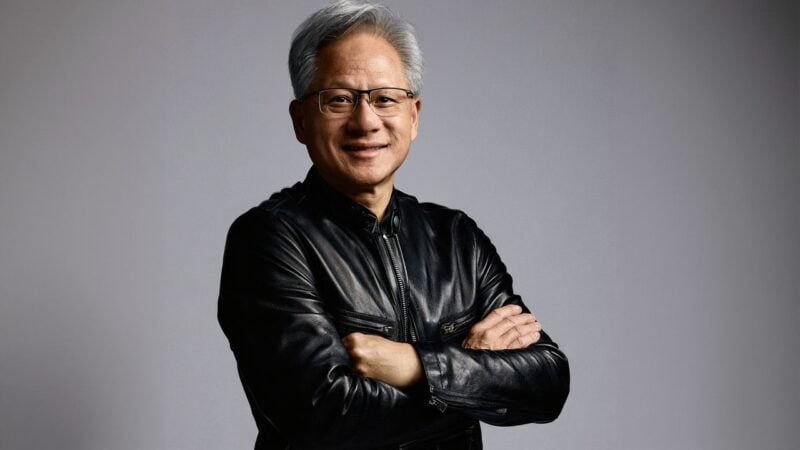
Monday brought some relief, as NVIDIA shares surged after Jensen Huang’s reinstatement as CEO. For now, Chinese markets are bearing the brunt of the selling, but US investors are watching closely.