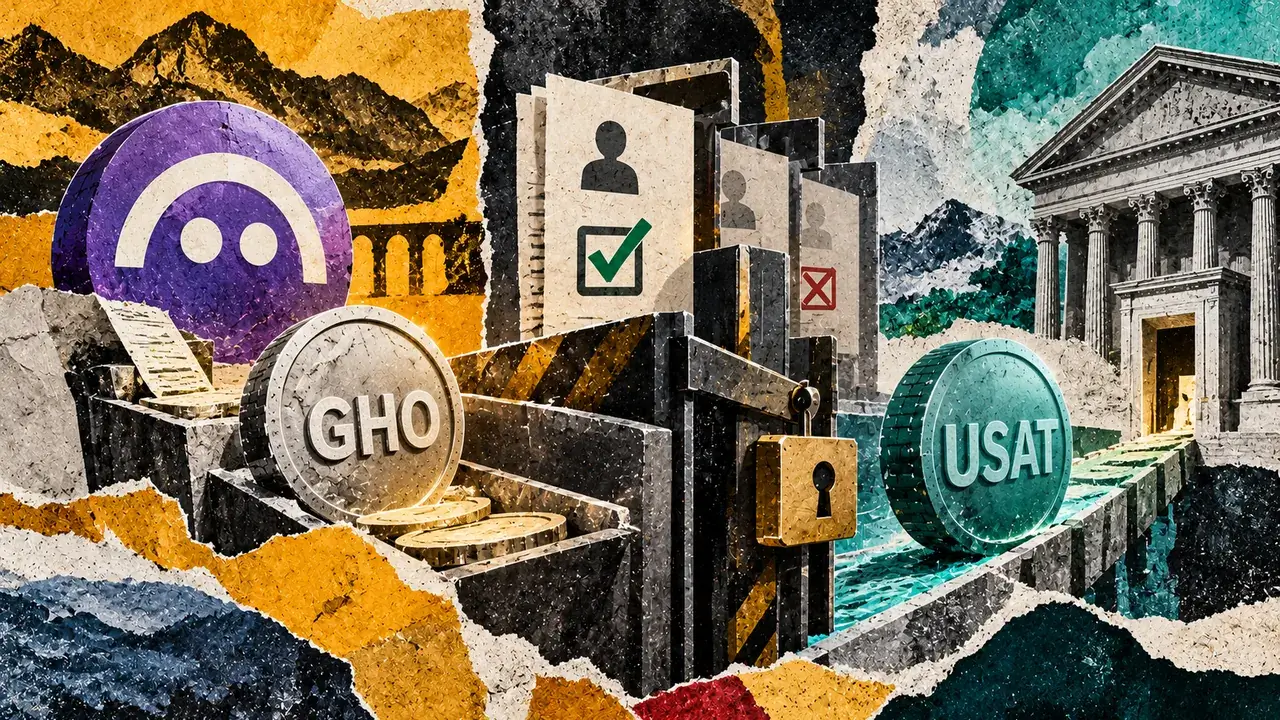
Proof and Circle demonstrated a solution for AI agents to verify identity and process payments in a single transaction at Money20/20 USA in Las Vegas on October 19, 2026. The demonstration shows an AI agent presenting verified identity credentials and settling a payment in USDC using open protocols.
How the Demo Works
The setup centers on an identity-gated purchase where a merchant requires two things from an AI agent: proof of identity and proof of payment. The agent responds with an approved credential using Proof's x401 protocol, which selectively discloses information so the merchant sees only what is necessary. The agent then pays in USDC through Circle's x402 payment protocol and Circle Agent Wallet. The merchant receives tamper-evident proof of payment without storing the buyer's full personal details.
Through x402, the merchant receives signed evidence that can be used in disputes. The live demo ran at Proof's booth throughout the conference, which took place from October 19 to 21, 2026.
The Open Protocols
x401 is Proof's open identity protocol, launched in June 2026, for handling verified legal identity credentials. Contributors include Visa, Circle, and Okta.
x402 is the payments protocol, backed by the Linux Foundation and supported by more than 40 organizations. In this demo, it carries the USDC transaction and produces the signed proof merchants receive.
The key advantage of these open protocols is that interactions do not require pre-established agreements. Traditionally, a business needs prior relationships, integration, or contracts before trusting incoming payments or identity claims. Open protocols aim to replace bilateral setups with shared rules anyone can follow.
Identity and Payments Integration
Identity and payments have historically operated in separate systems. This arrangement becomes problematic when the buyer is an AI agent acting on someone's behalf. A merchant selling age-restricted products, regulated services, or high-value items needs to know not only whether a payment cleared but also who authorized it and whether the agent had authority to spend.
The demonstration shows identity and authority checks occurring in the same exchange as the payment rather than in a separate step. Proof provides the identity verification layer while Circle provides the money and wallet infrastructure.
Implications for Merchants and Fintechs
Selective disclosure reduces the personal data merchants collect, lowering breach liability. A system confirming identity without transferring full personal information could reduce this burden while giving merchants sufficient data to comply with necessary checks.
For disputed purchases, merchants have cryptographic proof of agreed terms and payment through x402's signed dispute evidence.
The involvement of major organizations in these standards is significant. Visa and Okta contributing to x401, combined with the Linux Foundation and more than 40 organizations supporting x402, indicates this extends beyond a two-company initiative. However, widespread adoption depends on sufficient parties adopting the same protocol versions, and regulators will likely weigh in on how agent authority, identity credentials, and stablecoin payments fit into existing rules.