Circle launched Arc, a blockchain positioned as an "economic operating system" for payments, tokenized assets, lending and trading. The network debuted with more than 100 institutions and ecosystem companies participating or exploring it, including BlackRock, Mastercard, Visa, BNY and HSBC.
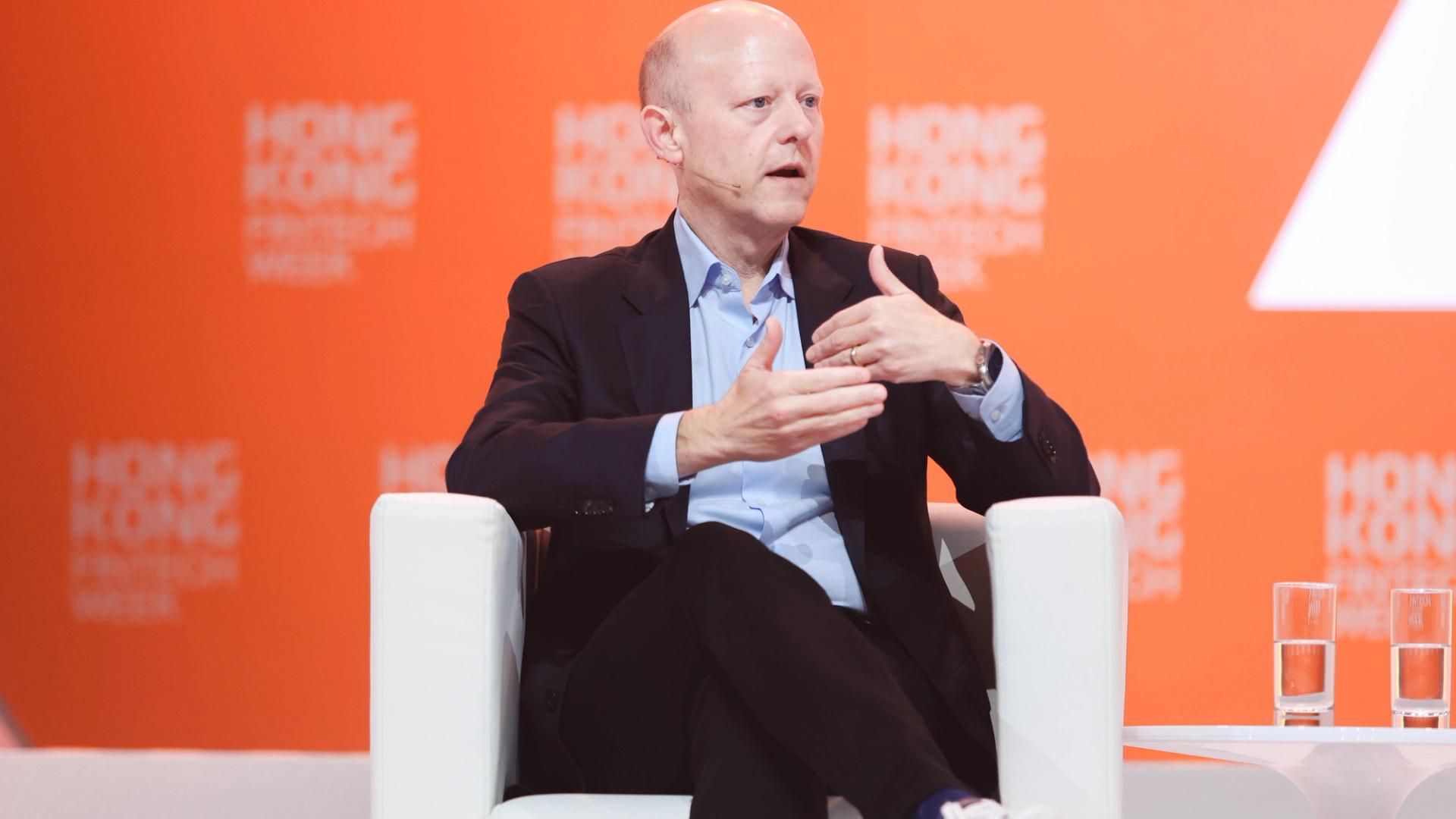
Circle CEO Jeremy Allaire described Arc as "the most consequential major platform launch" in the company's history, including its $74 billion stablecoin USDC. The launch reflects intensifying competition among blockchain companies to provide infrastructure for moving money and financial assets onchain.
Market Competition Heats Up
The stablecoin market is attracting new entrants from traditional finance. A group of 21 financial institutions including Bank of America, Citi and Goldman Sachs is preparing a dollar stablecoin for the first half of 2027. European bank consortium Qivalis is developing a euro token, while payments firm Stripe is pushing deeper into crypto through partnerships including Open Standard's Open USD stablecoin.
Arc's Architecture and Features
Arc was designed to address friction that has kept traditional financial institutions from using existing blockchains. The network charges transaction fees in USDC rather than a volatile native token, features sub-second finality, and currently uses permissioned validators.
Circle is developing configurable privacy features for institutions that need to shield transaction data while retaining access for auditors and regulators. Circle's Payments Network and StableFX foreign-exchange platform are being integrated directly into Arc for 24/7 cross-currency settlement.
Trading venues on Arc include Uniswap and Aerodrome, while Aave and Morpho are providing lending markets. Tokenized money market funds including Circle's USYC and BlackRock's BUIDL are also coming to the network.
The ARC Token
Circle minted a full initial supply of 10 billion ARC tokens this week. Allaire emphasized the token is not yet available to the public, and Circle said the mint does not represent a commitment to a public launch.
The network currently uses proof of authority. Circle is exploring a transition to proof of stake in 2027 that could give ARC a role in security and governance, though network fees would continue to be paid in USDC.
Circle raised $222 million in a token presale in May at a $3 billion network valuation, with backing from Apollo Funds, ARK Invest, BlackRock and Bullish.
Strategy and Growth
Arc represents a new business line for Circle while the company continues distributing USDC across competing networks. Allaire compared the approach to Google operating its own platforms while making products like Gmail and YouTube available on rival systems. Circle intends for Arc to become a leading platform as more financial activity moves onchain.