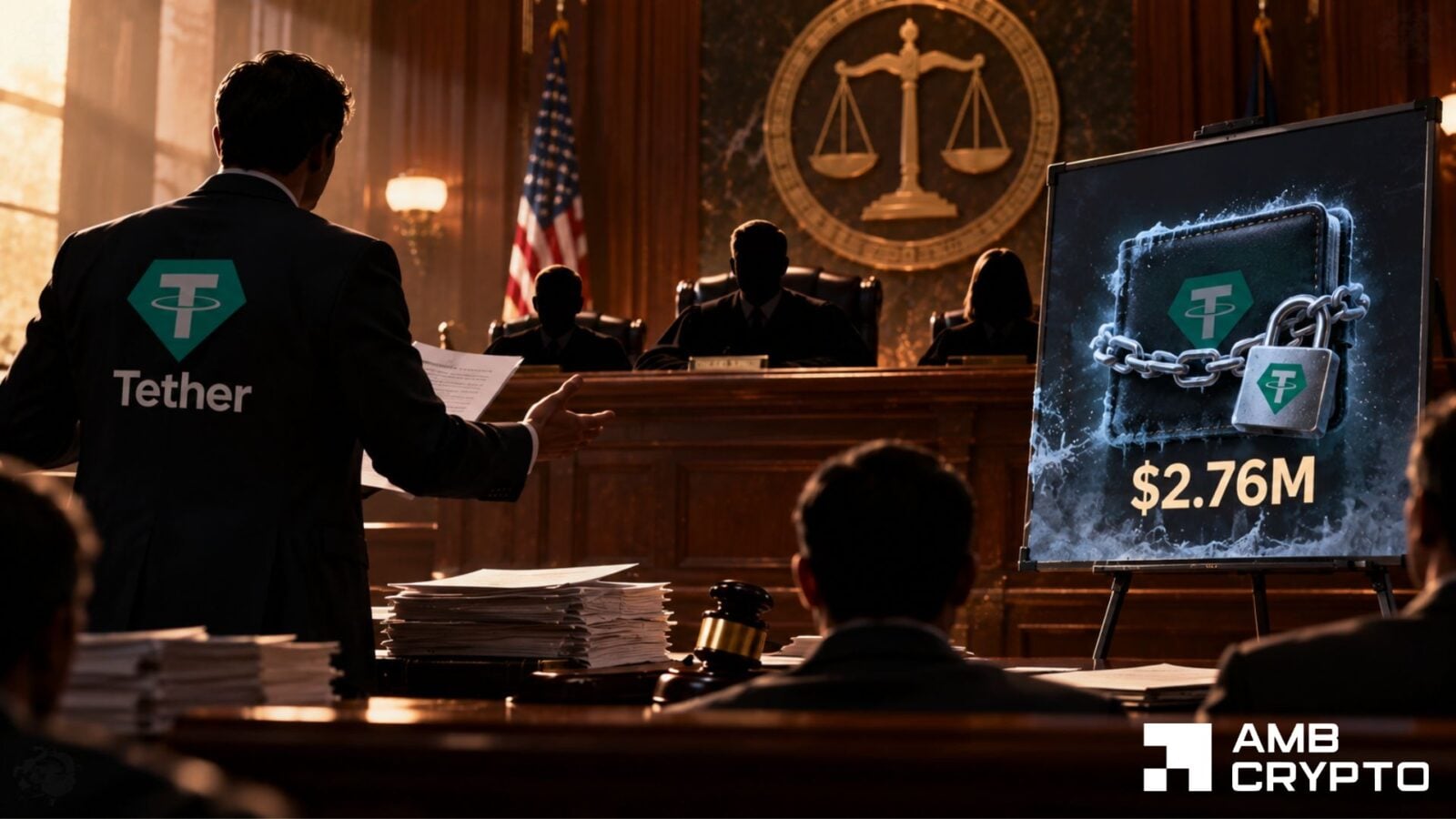
Conduit, a U.S.-based payment firm, has filed a lawsuit against Tether in the Southern District of New York, alleging that Tether froze approximately $2.76M in USDT with no justifiable basis.
According to the lawsuit, Conduit has requested that Tether either return the funds or provide an explanation for the freeze. Conduit claims Tether has refused both requests. The payment firm further alleges that Tether continues to profit by earning interest income on the reserve assets backing the frozen USDT.
Background of the Freeze
The funds were frozen on September 24, 2025. Conduit stated that Tether initially referred the company to Brazilian Federal Police for details regarding the seizure. However, Conduit claimed that Brazilian authorities denied ordering Tether to freeze the funds.
Conduit acknowledged an ongoing investigation into Onix transfers using its platform and confirmed that Brazilian authorities ordered Tether to freeze related funds. Analysts reported that 23 Tron addresses were frozen on September 24, including the Conduit wallet holding $2.7M USDT, which remains frozen.
Conduit characterized the wallet as a treasury account created more than a month after the last Onix transaction on the platform.
Expert Commentary and Prior Litigation
Security and blockchain expert Taylor Monahan suggested that either Brazilian authorities may have miscommunicated their freeze requirements or Conduit may be selectively presenting the situation to U.S. courts.
This is the second lawsuit against Tether in less than two months. Last month, two individuals sued Tether for $42.4M in frozen USDT and demanded the return of both the principal and accrued interest income.
Regulatory Environment
In late September, the U.S. Senate released a report claiming that Tether's USDT is a key enabler of Iran's illicit cryptocurrency flows. Tether responded by stating it had frozen over half a billion dollars tied to the Iranian regime.
USDT remains the world's largest stablecoin with $184B in market supply.