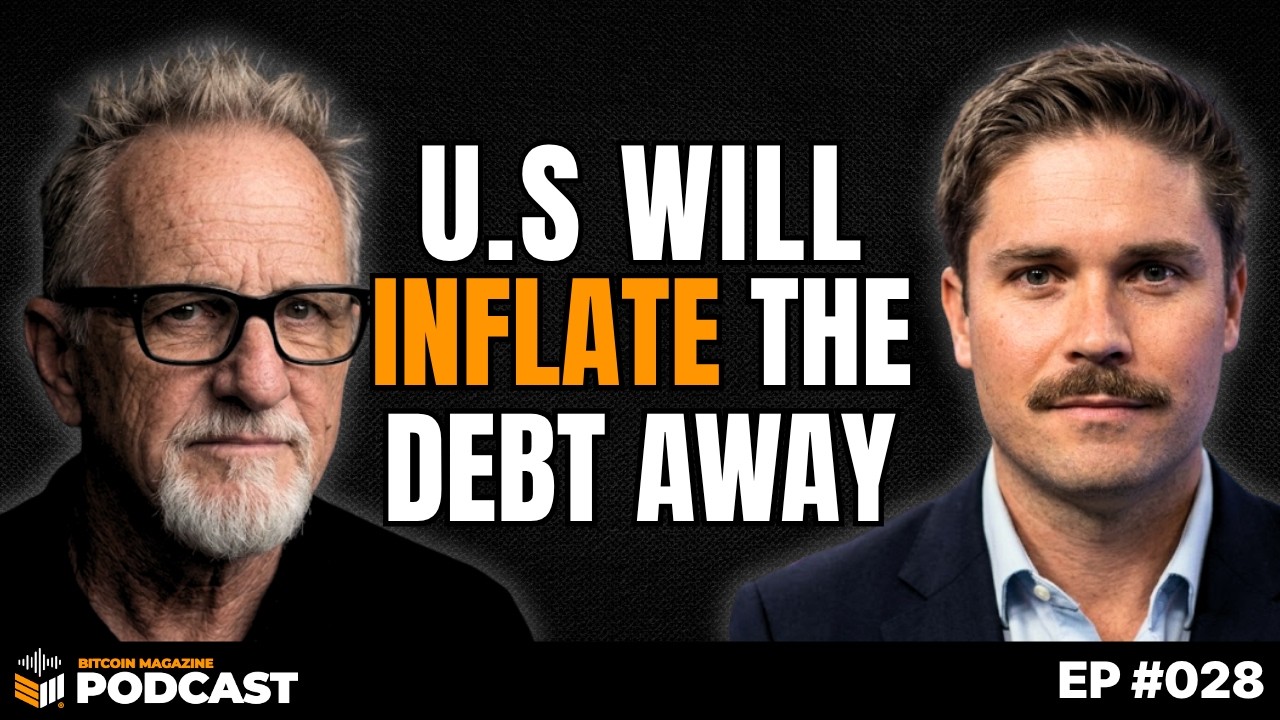
Independent investor Craig Tindale told Bitcoin Magazine host Spencer Nichols that the United States’ long‑term offshoring strategy has created a dependency on rival nations for critical metals and advanced technology components.
Offshoring and National Security
Tindale referenced the ideas of Alexander Hamilton and Dwight Eisenhower to argue that the loss of domestic capability to produce defense equipment, robotics, and AI hardware represents a national security crisis.
Financial Repression and Yield Trends
He discussed rising global yields and noted that, despite higher rates, countries are not facing bankruptcy, attributing this to coordinated monetary actions such as Operation Twist and a new Treasury‑Fed accord.
Hard Assets and Sovereign Resilience
Tindale highlighted Hong Kong’s gold vault as an example of why nations seek hard assets, and he emphasized the role of gold, silver, copper, and Bitcoin in protecting capital.
Domestic Impact of Financial Repression
According to Tindale, the burden of financial repression falls on domestic savers, who bear the cost of policies that aim to manage debt and inflation.
Policy and Protectionism
He linked protectionist measures to Hamilton’s industrial policies and advocated for reindustrializing America to reduce reliance on foreign supply chains.
AI as a Strategic Weapon
Tindale described AI as a tool for automating the world and building an “impenetrable defense network,” suggesting that state‑driven AI development could become a central element of geopolitical competition.
Future Outlook
The conversation concluded with a focus on resilience, self‑sufficiency, and what Tindale termed the “Fourth Turning,” indicating a shift toward greater domestic capability in critical technologies.