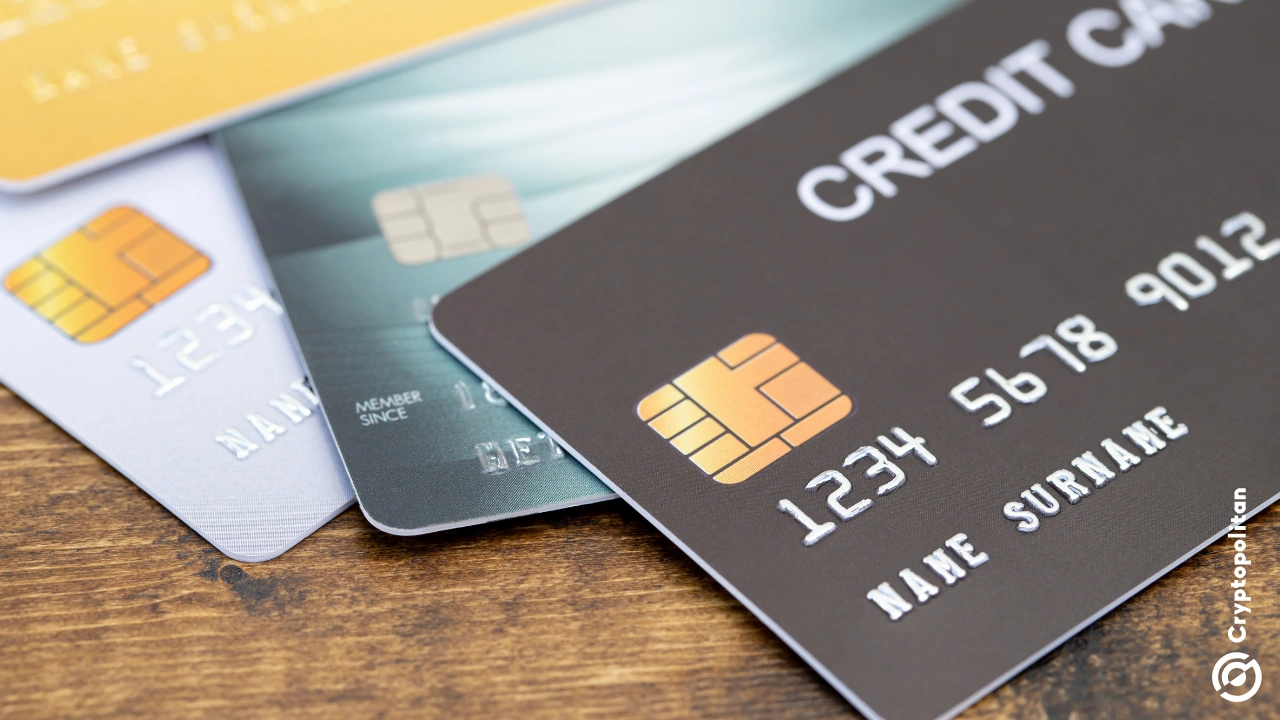
Two cryptocurrency applications now enable users to purchase memecoins using credit cards with minimal friction and no additional identity verification at checkout. According to reporting by The Block, Robinhood Wallet and Fomo allow transactions through Apple Pay and Google Pay, with the crypto payments company Crossmint processing the token transfers directly to customer wallets.
The streamlined process eliminates traditional barriers to entry for retail cryptocurrency buyers. Fomo's chief executive described the buying experience as comparable to purchasing coffee. Crossmint reported that active traders on Fomo increased sevenfold within a week after launch, and the company has processed transactions for over 68,000 customers new to cryptocurrencies. The company raised $75 million in Series B funding in June, achieving a $550 million valuation.
Classification Dispute
The transactions have drawn regulatory attention due to how they are categorized. According to The Block's testing, purchases of the memecoin dogwifhat (WIF) using Visa and Mastercard were assigned Merchant Category Code 5815, which Visa's standards define as "digital goods" including audiovisual media, books, movies, and music.
Card network rules designate different codes for cryptocurrency transactions. Visa's April 2026 manual requires MCC 6012 or 6051 for crypto transactions, along with a Special Condition Indicator 7 and quasi-cash transaction signal. Mastercard's June 2026 rules specify MCC 6051 and additional transaction identifiers depending on the asset type.
Rewards and Enforcement
The misclassification has implications for rewards programs. Chase's Sapphire Preferred treats cryptocurrency transactions as cash-like and excludes them from earning points. Chase informed The Block that the observed transaction was classified incorrectly and should not have earned rewards. The bank filed a complaint with Visa. New York's Attorney General has also opened an inquiry into the matter.
Crossmint's Defense
Crossmint maintains that the MCC 5815 classification was vetted with relevant partners and applies to digital collectibles. The company points to an SEC staff statement from February 27, 2025, which noted that typical memecoins are purchased for entertainment and social purposes rather than as investment contracts, and transactions involving such tokens generally do not constitute securities offerings.
However, payments experts told The Block that tokens may fall outside federal securities regulation while still qualifying as cryptocurrency under payment-network rules. Crossmint stated that its checkout process includes anti-money laundering monitoring and fraud controls even without a separate identity verification form.
Broader Implications
The dispute extends beyond these two applications. More than 99 percent of Robinhood Chain's trading volume came from memecoin activity in August, despite the network's focus on tokenized stocks. Simplifying the purchase process for such assets could drive additional retail capital into crypto's most speculative segments while forcing card networks and financial institutions to clarify the line between digital collectibles and regulated cryptocurrency transactions.