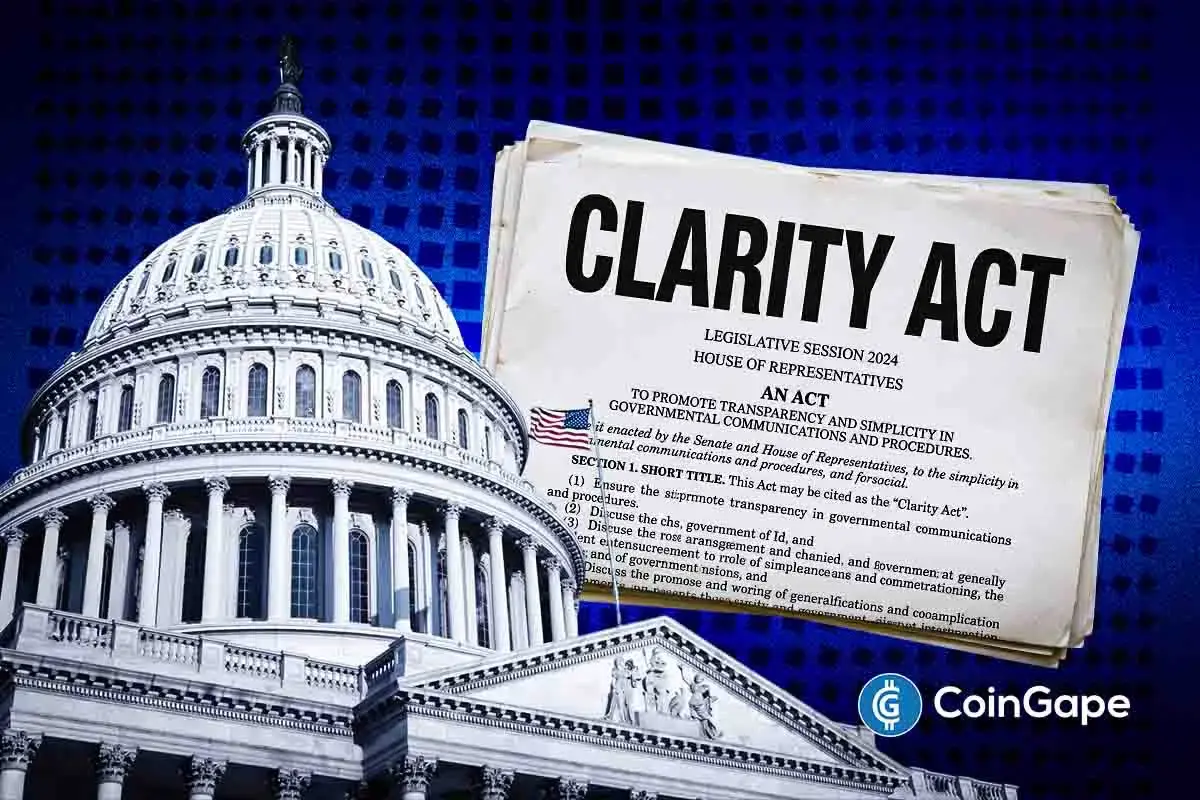
The U.S. Senate rejected the Digital Asset Market Clarity Act on Tuesday, failing to secure the 60 votes required to advance the legislation. The bill represented the crypto industry's primary policy objective after years of intensive negotiations and hundreds of millions of dollars in lobbying efforts.
Negotiators from both parties had developed more than 600 pages of legislative compromise, but disagreements on final sections—including ethics provisions designed to restrict senior government officials from maintaining crypto business ties—prevented passage. Political pressures intensified as the vote approached the November midterm elections.
Senator Cynthia Lummis, the leading Republican negotiator, made a final plea on the Senate floor before the unsuccessful vote, urging colleagues to advance crypto market structure legislation.
Regulators take center stage
With legislative action stalled, the crypto industry will focus on federal regulators already developing rules for digital assets. The Securities and Exchange Commission has proposed Regulation Crypto Assets (Reg Crypto) to allow crypto projects to raise capital with reduced initial regulatory burdens. The SEC is also preparing to approve a limited version of securities tokenization.
SEC Chairman Paul Atkins has stated that new crypto rules and exemptions will lack durability without legislative backing. Most agency guidance on crypto policy has been issued in forms that can be easily reversed.
Political landscape ahead
The crypto industry's political action committees, including Fairshake, will determine how to respond to senators who voted against the bill as the new Congress takes shape in January. Industry groups plan to continue supporting crypto-friendly candidates in hopes of achieving legislative momentum in the next session.
The defeat of the Clarity Act stands in contrast to the 2025 passage of the Guiding and Establishing National Innovation for U.S. Stablecoins (GENIUS) Act, which received bipartisan approval and has moved into regulatory implementation.
Future legislative prospects depend partly on which party controls Congress. If Democrats gain Senate control, Senator Elizabeth Warren would likely lead the Banking Committee, while Representative Maxine Waters is expected to helm the House Financial Services Committee if Democrats win the House majority.