Cryptocurrencies rallied following the Federal Reserve's first interest-rate increase since July 2023, a counterintuitive move given that higher rates typically make interest-bearing investments more attractive relative to digital assets. Bitcoin added nearly 1% over 24 hours, while zcash jumped more than 23% to reach a record high.
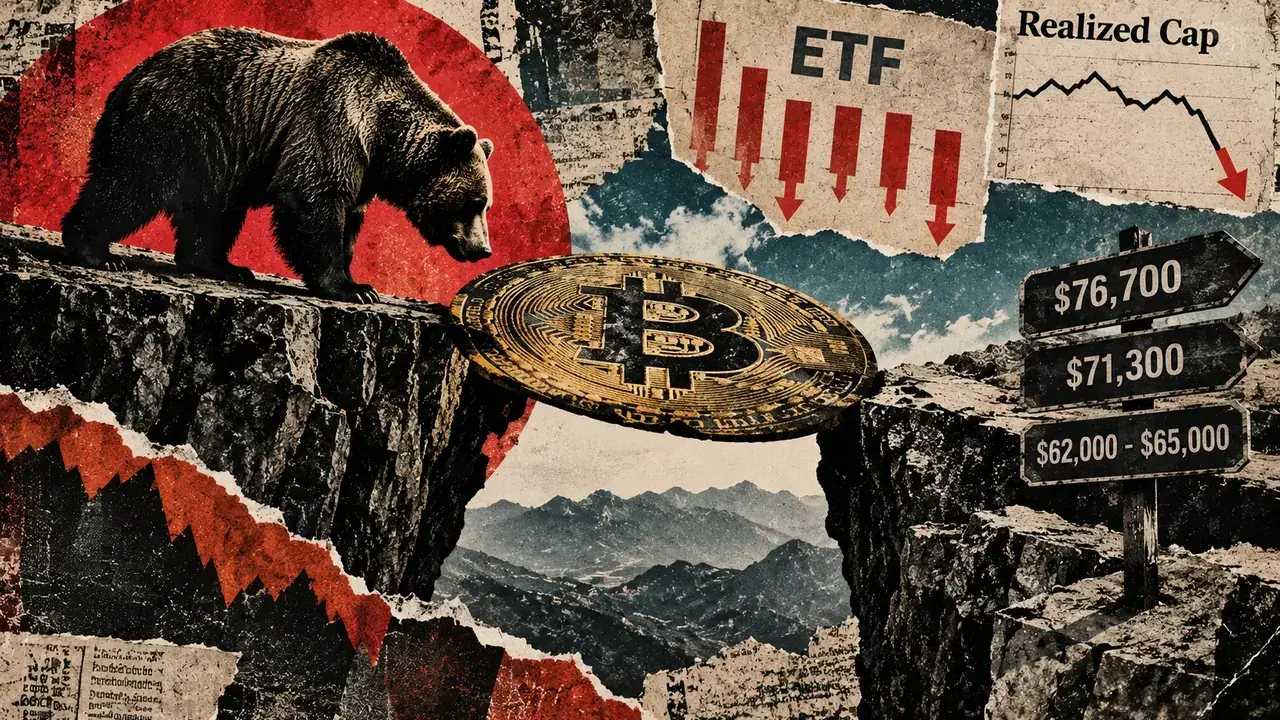
The market relief, however, comes with historical caveats. Traders recall the pattern from 2022, when the Fed began tightening in March at a time when bitcoin was roughly 40% below its November 2021 peak—a level similar to bitcoin's current position, approximately 40% below its October record high of $126,000. In that earlier cycle, bitcoin rallied 18% over the next 12 days before sliding 50% over several months, a period that coincided with the collapse of crypto exchange FTX.
Several factors suggest the current tightening cycle may extend beyond a single rate decision. Futures markets are pricing in a further 75 basis-point increase over the next six months, and Goldman Sachs moved its forecast for the next hike forward to October. Historically, the Fed has raised rates only once and then stopped on just one occasion since 1994.
Market fundamentals remain mixed. While bitcoin held ground through a failed regulatory push and the rate decision, spot bitcoin exchange-traded funds experienced outflows of $746 million on Tuesday and Wednesday alone. The U.S. Dollar Index climbed above 100 following the Fed's action, reaching its highest level since late July and suggesting sustained momentum in the dollar's recovery—a headwind for risk assets including bitcoin.
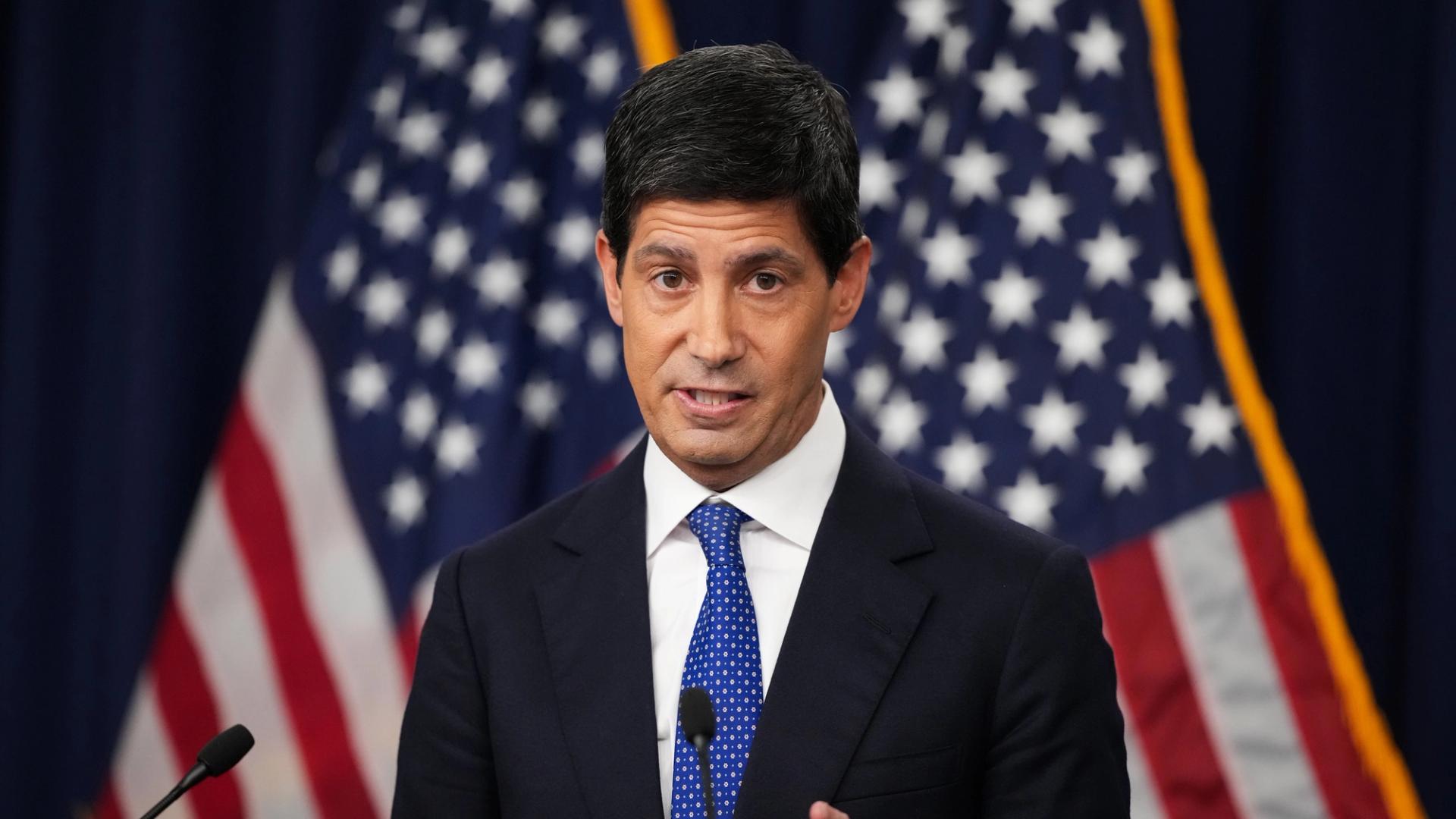
The Fed faces a complex backdrop: core inflation has eased to 2.4%, its lowest in five years, yet supply-side pressures persist, with Brent and WTI crude above $100 and U.S. diesel prices hitting a record this week. The 10-year Treasury yield sits at 5%. Fed Chair Kevin Warsh acknowledged the central bank's limitations, noting it cannot affect individual prices but can prevent relative price changes from broadening out.
Traders will closely watch the end of the month, when the 2022 rally from four years ago began to deteriorate, to see whether current market dynamics repeat that historical pattern.