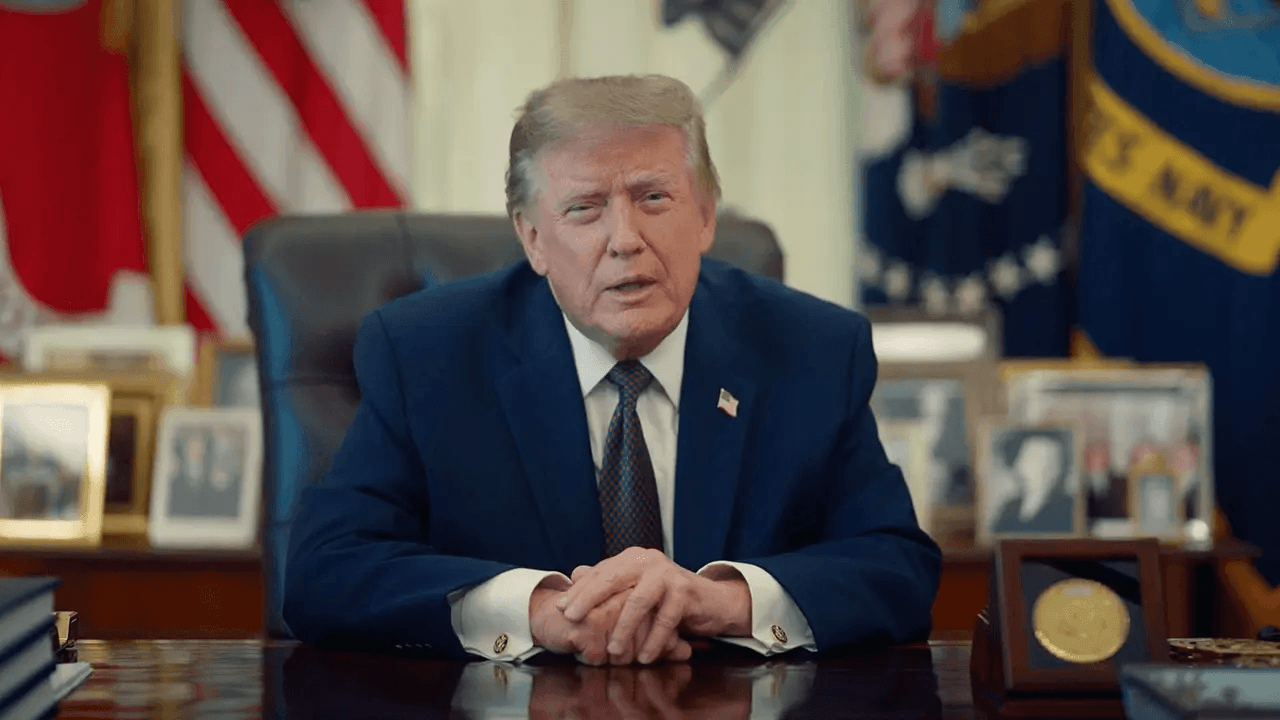
Democratic victories in the Nov. 3, 2026, midterms are set to give the party control of congressional committees and, with it, the authority to investigate President Donald Trump's cryptocurrency businesses, according to reporting by Bloomberg Government's Kate Ackley. The inquiries could involve oversight hearings, subpoenas and financial scrutiny of family-linked ventures that Reuters estimates have generated at least $2.3 billion since Trump returned to office.
When the 120th Congress convenes in January 2027, Democratic committee leaders will be able to compel testimony and demand documents through subpoenas, subject to applicable procedural and legal limits. Unlike legislation, which requires presidential approval, congressional oversight investigations can proceed without the White House's consent.
World Liberty Financial Emerges as a Central Target
World Liberty Financial (WLFI), a decentralized finance venture associated with Trump's sons and members of special envoy Steve Witkoff's family, is among the most prominent potential targets. The company operates USD1, its dollar-pegged stablecoin, and issues WLFI, its governance token.
Multi-million-dollar investments by overseas backers reportedly secured a large ownership stake in the venture, with payments that allegedly benefited Trump- and Witkoff-linked entities. Democratic lawmakers have raised questions about potential foreign influence and the identity of the financiers involved.
Incoming Senate Banking Committee Chair Elizabeth Warren, D-Mass., has pledged to examine alleged conflicts involving cryptocurrency companies and the president's family businesses. She has also criticized the Office of the Comptroller of the Currency's conditional approval for a World Liberty Financial-affiliated national trust bank, citing potential conflicts of interest.
"This is the most brazen act of self-dealing our financial system has ever seen. I'm introducing a bill to stop this kind of unprecedented corruption," Warren said on X following the OCC's approval.
Financial policy analyst Max Raymond told Ackley that oversight would be an early priority. "Democrats' priorities starting off are going to be oversight hearings to get to the bottom of some of his dealings there," he said.
Rep. Robert Garcia, D-Calif., who is expected to chair the House Oversight Committee, issued a pointed warning on social media after the election results: "Lawyer up."
Scope of Potential Investigations
The potential inquiries extend beyond individual cryptocurrency transactions to allegations of foreign influence, regulatory favoritism and financial relationships involving administration officials. House investigators could examine business contracts, ownership arrangements and communications between government agencies and companies connected to Trump's relatives.
Congressional scrutiny may also encompass Trump's pardon of Binance co-founder Changpeng Zhao and whether federal policy decisions benefited politically connected businesses.
Financial Disclosures and Industry Spending
Trump's 2025 financial disclosure, released in June 2026, reported more than $1.4 billion in cryptocurrency-related income, including proceeds associated with World Liberty Financial and royalties from the TRUMP meme coin. A separate Reuters investigation placed the broader family's cryptocurrency earnings at a considerably higher figure of $2.3 billion.
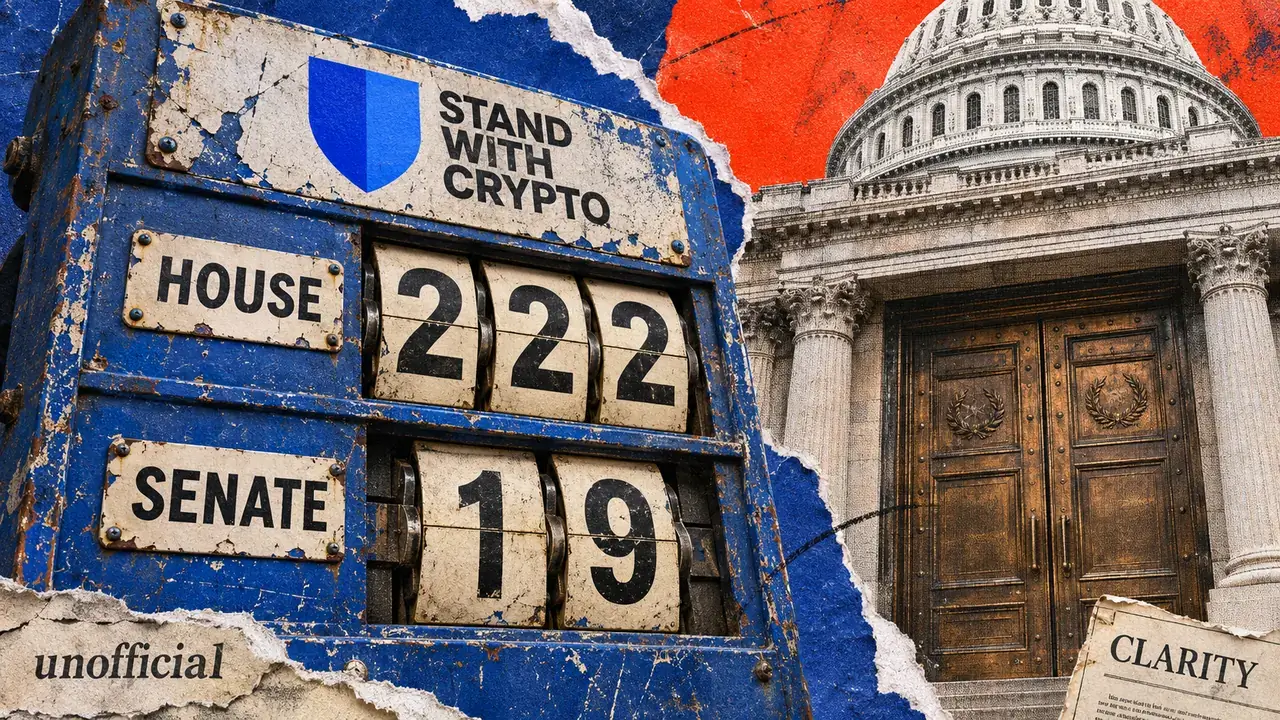
The cryptocurrency industry spent an estimated $176 million on the 2026 election cycle, resources intended to build bipartisan support for favorable regulation, particularly legislation governing digital asset market structure. Democratic committee control threatens to redirect political attention toward ethics investigations, corporate disclosures and possible conflicts involving government officials.
Companies with Trump family connections may face document requests, congressional testimony and mounting legal expenses. The White House and Trump allies have rejected allegations of corruption, characterizing Democratic investigations as politically motivated. The financial transactions themselves do not establish criminal wrongdoing.