The U.S. Dollar Index (DXY) reached approximately 102.5 on Monday, marking its highest level in nearly 18 months. The index, which measures the dollar against a basket of six major currencies, has climbed from around 99 in early September and now trades comfortably above its 200-day moving average.
The dollar's strength reflects multiple factors. The Federal Reserve's September decision to raise rates by 25 basis points to a range of 3.75% to 4% has bolstered the currency. Markets are pricing in additional tightening, with a target range of 4.5% to 4.75% seen as the most likely outcome by June 2027. Long-term U.S. Treasury yields have reached levels not seen in more than two decades.
Euro weakness has been a major driver of dollar strength, as the euro comprises 57.6% of the DXY basket. The euro fell to a 17-month low against the dollar, trading near 1.12. Fiscal pressures in France ahead of next year's presidential election and Spain's snap election called for November 29 have weighed on confidence in the currency.
A stronger dollar typically creates headwinds for risk assets by increasing the cost of servicing dollar-denominated debt outside the U.S. and reducing purchasing power for overseas investors. Higher interest rates make cash and government bonds more attractive relative to stocks and cryptocurrencies.
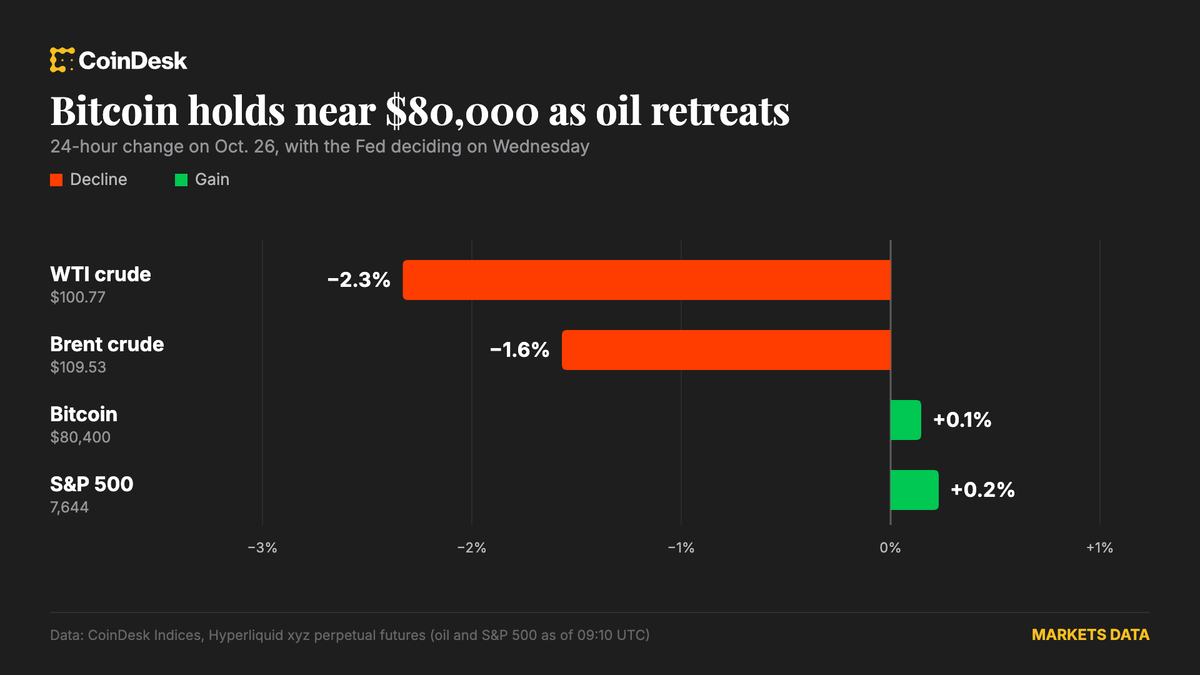
Despite these challenging conditions, bitcoin has held firm near $86,000 after a strong start to October.