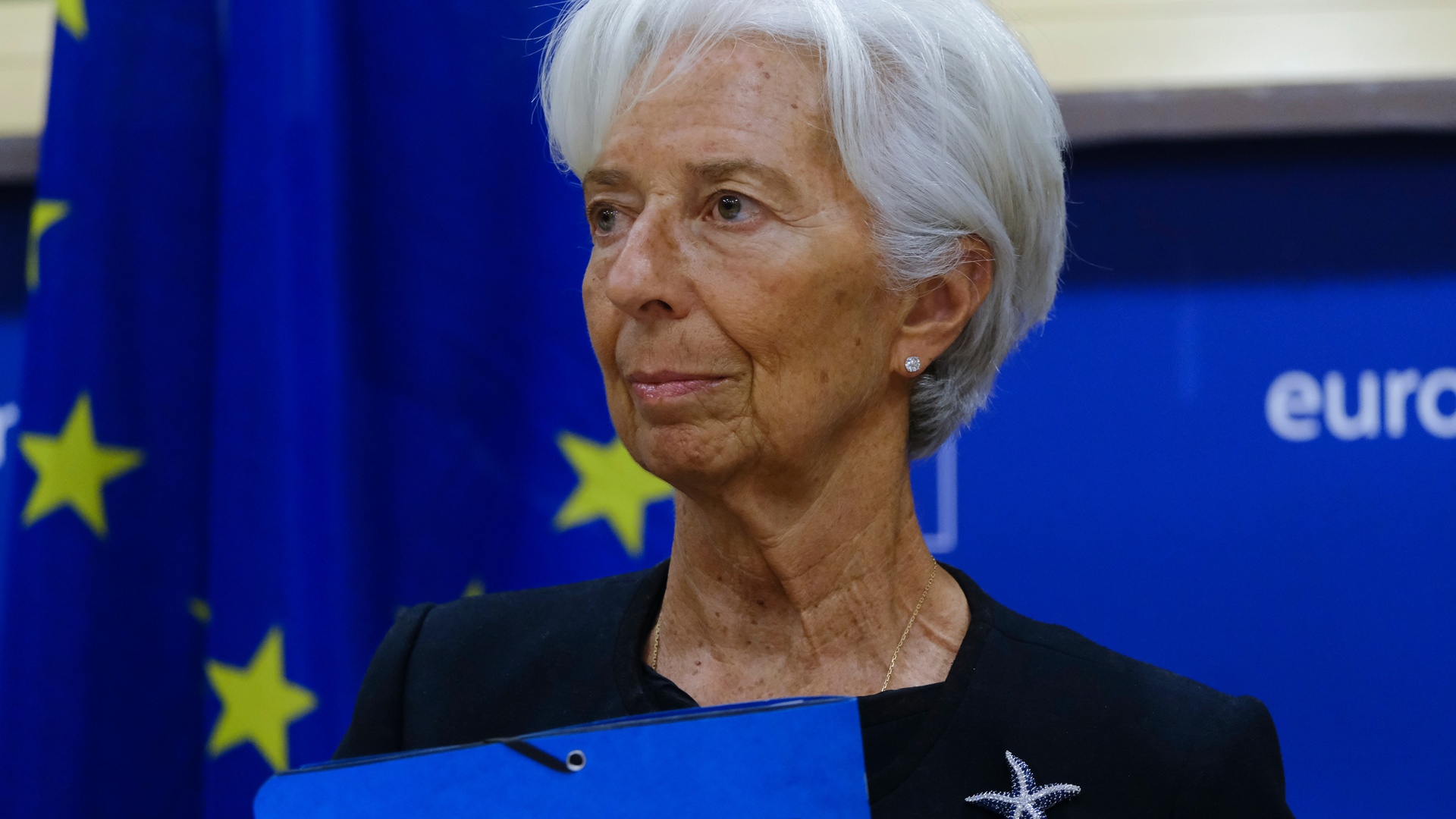
European Central Bank President Christine Lagarde blocked Binance from entering the European Union, according to a Wall Street Journal report published Thursday. The crypto exchange had been positioned to operate in the trading bloc before the central bank chief's intervention halted the effort.
EU law requires crypto-asset service providers to obtain a MiCA license to operate legally. Binance does not hold this license and withdrew its MiCA application in Greece in June.
Lagarde's Position on Crypto
Lagarde has maintained a critical stance toward cryptocurrencies. In 2021, she described Bitcoin as "a highly speculative asset" commonly used for money laundering. She has also stated that central banks would not hold Bitcoin.
The ECB president's decision to block Binance reflects concerns about the exchange's compliance history. Binance and CEO Chanpeng Zhao pleaded guilty to anti-money-laundering violations in 2023 and paid a $4.3 billion fine.
CBDC Priorities Over Private Crypto
According to the WSJ report, Lagarde was concerned that Binance's operations would entrench dollar-based stablecoins in Europe rather than promote euro-denominated alternatives. The ECB is advancing a digital euro, which Lagarde has characterized as essential to Europe's financial autonomy.
Lagarde has promoted central bank digital currencies while taking aim at privately issued stablecoins. Binance is the world's largest crypto exchange, with billions of dollars in stablecoins trading on its platform daily.
The company said in June that it continues to pursue MiCA authorization in another EU member state.