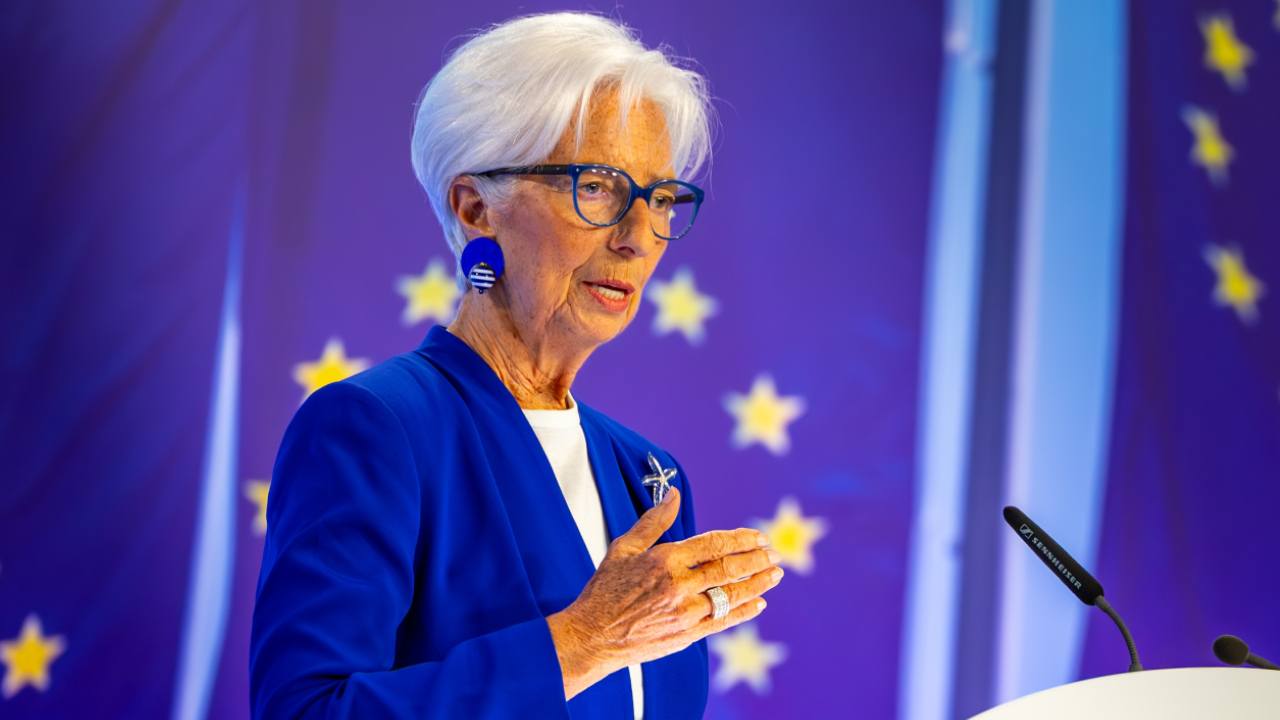
The European Central Bank is advancing its digital euro initiative as a way to strengthen Europe's financial autonomy. ECB President Christine Lagarde announced these plans during remarks at the International Monetary Fund Annual Meetings in Bangkok on October 17.
Lagarde emphasized that the digital euro would serve as a digital equivalent to cash, enabling retail payments while allowing Europe to maintain control over its monetary systems. She described the project as essential for an increasingly digital economy.
Timeline and Testing Phase
The ECB plans to conduct a 12-month internal pilot program in the second half of 2027, with a potential broader rollout occurring in 2028 or 2029. According to Lagarde, 36 payment providers will participate in the pilot, testing core functionalities including payments, account setup, merchant acceptance, and offline capabilities.
Regulatory Path Forward
Lagarde stressed that regulatory adoption is critical to move forward. The EU Parliament advanced a digital euro legislative package in July that covers currency issuance, payment services provision outside the EU, and cash provisions. Final approval requires negotiation between EU Parliament and Council negotiators before the regulation takes effect.
Response to Stablecoins
The ECB has positioned the digital euro as a sovereign response to privately-issued stablecoins, particularly those led by the United States. Lagarde has previously cautioned that widespread stablecoin adoption could undermine central banks' monetary policy effectiveness and create financial system risks.