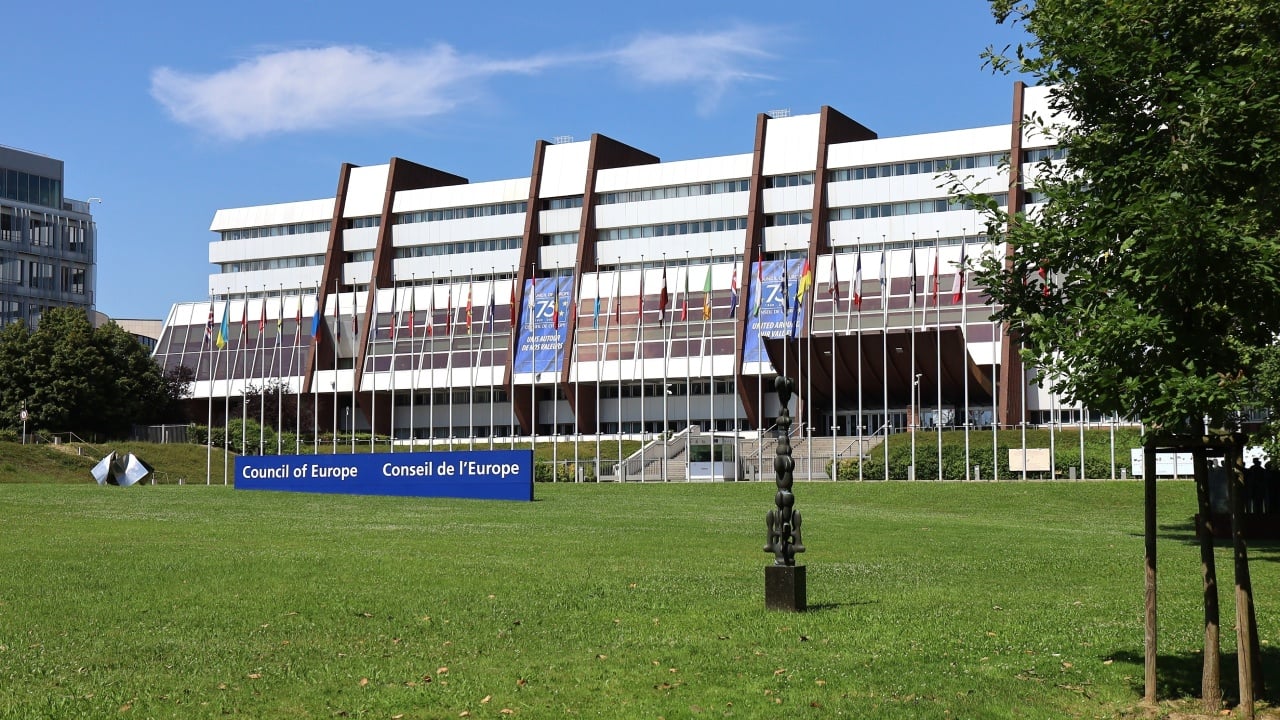
The European Union and eight allied nations—Georgia, Greece, Hungary, Luxembourg, Monaco, Montenegro, San Marino, and the United Kingdom—have signed an Additional Protocol to the Warsaw Convention, a Council of Europe treaty designed to combat money laundering and terrorism financing through cryptocurrency.
The protocol modernizes the existing Warsaw Convention by expanding its scope to include virtual assets and virtual asset service providers (VASPs). It introduces new enforcement mechanisms, including urgent confiscation of digital assets without prior notice when transaction risk is identified, and requires signatory states to establish dedicated Asset Recovery Offices and Asset Management Offices to manage confiscated cryptocurrencies.
Expanded Powers for Financial Authorities
The agreement grants national Financial Intelligence Units (FIUs) expanded authority to suspend cryptocurrency transactions suspected of involvement in money laundering. These changes aim to reduce response times for information requests between participating nations and strengthen international cooperation in asset recovery.
Asset Distribution and Recovery
Under the protocol, confiscated amounts exceeding €10,000 will be distributed equally among countries involved in recovery operations. Affected parties retain priority in reclaiming confiscated assets, and signatory states are encouraged to adopt legislation permitting the use of recovered crypto assets for purposes of social reuse and public interest initiatives.
The Council of Europe member states adopted these provisions as part of efforts to bring cryptocurrency assets under more effective regulatory oversight.