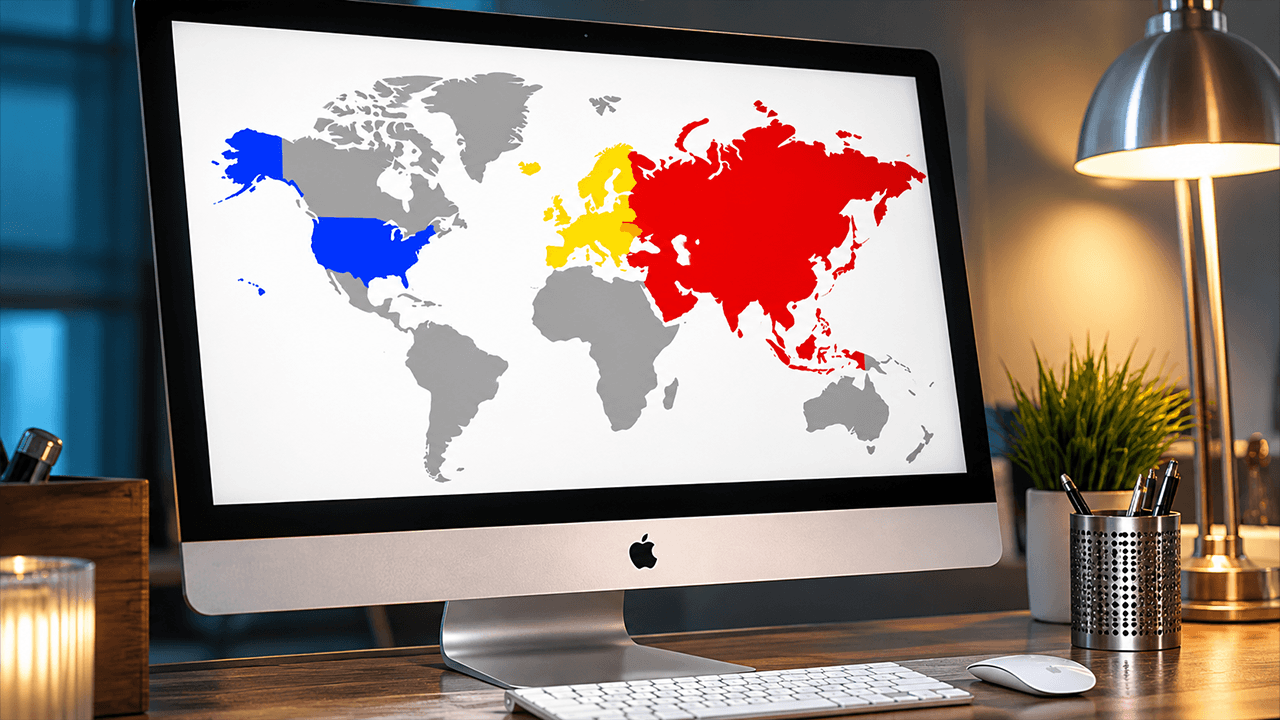
The competition in Web3 has expanded beyond exchanges and blockchains to a contest between jurisdictions. Countries that offer the best conditions for the industry stand to gain tax revenue, capital, technology, and talent—and to influence the rules of the future financial system. So which regulatory model is most competitive?
Europe: The First-Mover Advantage
Europe was the first major market to consolidate fragmented rules under a single framework: Markets in Crypto-Assets (MiCA). Creating a unified legal architecture for 27 countries is unprecedented, and its main advantage lies in “EU passporting.” A crypto company licensed in one EU country automatically gains access to all member states.
MiCA sets rules for corporate governance, customer protection, asset custody, operational resilience, and disclosure, allowing businesses to plan strategic investments with greater confidence. Clear rules also make it easier for institutional players—banks, asset managers, and fintech giants—to integrate Web3 infrastructure when counterparties operate under transparent rules.
But MiCA has drawbacks. The cost of compliance is high. Preparing for MiCA requires significant investment: building a fully regulated platform, meeting infrastructure, organizational, and financial requirements, assembling a team, engaging service providers, and ensuring cybersecurity and operational resilience, including compliance with DORA. This entry barrier favors large companies, while smaller players must seek partners, consider mergers, or rethink their EU plans.
A second challenge is “regulatory forum shopping.” Licenses are issued by national regulators but valid across Europe. Differences in supervisory practices may encourage some players to seek jurisdictions with less stringent approaches. Brussels is already discussing ways to strengthen ESMA’s direct role in supervising large cross-border crypto groups. Finally, the speed factor: high standards protect consumers and build trust, but a complex regulatory architecture may slow Europe down as the US and Asia gain momentum.
US: The Largest Capital Market and Regulatory Swings
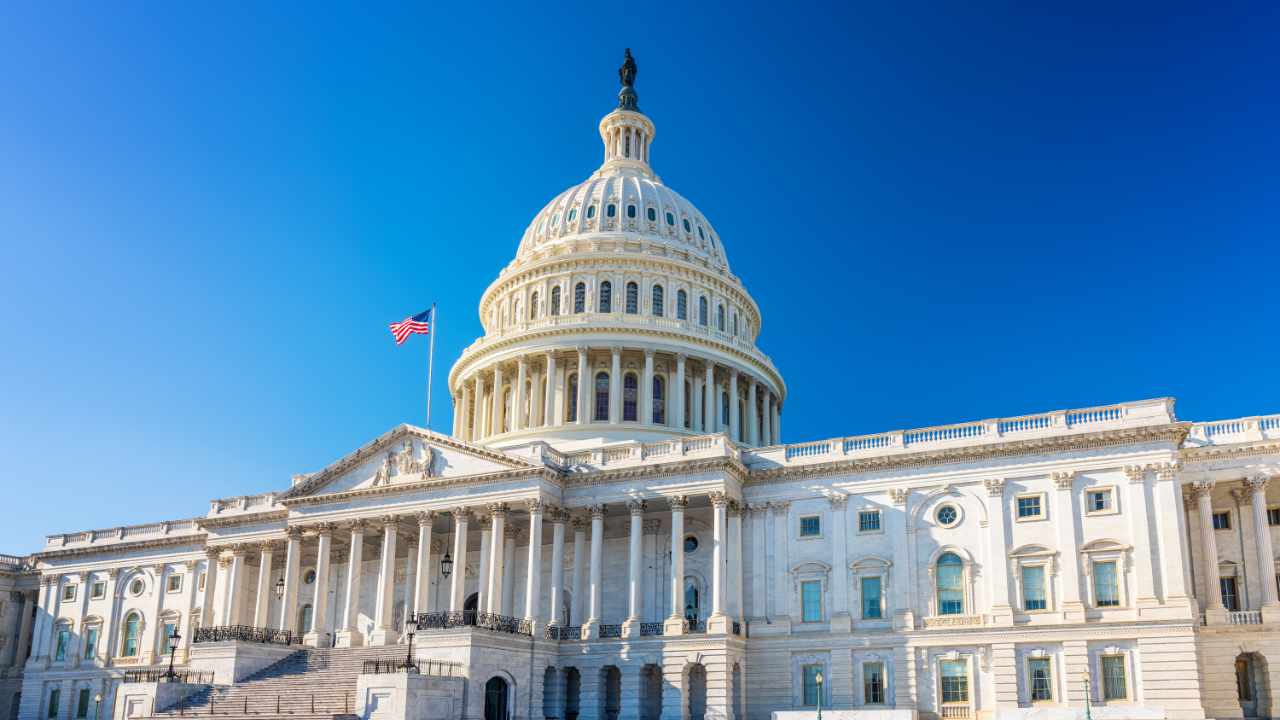
No jurisdiction can compete with the US in the scale of its financial system, particularly institutional money, venture capital, and market infrastructure. Wall Street, the world’s largest hedge funds, technology giants, and the global role of the dollar are part of the same ecosystem.
Historically, the main weakness of the US has been the fragmentation of regulatory authority between federal agencies and individual states. The country that attracts capital at the greatest scale has still not created a single, clear framework for its crypto market. Crypto businesses must operate across several regulatory layers: federal anti-money laundering requirements, separate money transmitter licenses in states where they operate, and, depending on assets and products, SEC requirements for securities and CFTC requirements for commodity derivatives and certain digital products. Legal and compliance costs are enormous, and tax reporting requires substantial resources.
The US wants to simplify market structure legislation. The CLARITY Act, intended to divide responsibilities between regulators, has been sitting in the Senate for almost six months. The final vote has been postponed again due to conflicts of interest between banks and crypto companies, as well as political lobbying, on which the industry has already spent more than $225 million, according to the Financial Times.
Still, there have been positive changes. The Stablecoin Act (GENIUS Act) was passed last year, bringing stablecoin trading to the level of national financial strategy. Regulatory development has also been influenced by active interest and investment in blockchain and tokenization from financial giants such as JPMorgan, BlackRock, and Nasdaq. Wall Street’s perception of Web3 has transformed: it is no longer a separate industry but a technological layer across the financial system.
Legal uncertainty deters many crypto companies from entering the US market. While institutional capital continues to flow in through spot ETFs, launching a new crypto project from scratch in the US still feels like walking on thin ice.
Asia and the Middle East: The Race Between Technology Hubs
There is no single “Asian regime.” Individual jurisdictions are building dynamic financial hubs to capture global Web3 capital.
Singapore has focused on regulatory quality and institutional trust. Its regulator, MAS, which also serves as the central bank, has built a clear but strict system for digital payment tokens (DPTs), with high requirements for compliance and technology risk management. A competitive corporate tax rate of 17%, combined with advanced financial infrastructure, makes Singapore one of the most attractive Asian hubs for regional headquarters, B2B infrastructure, and digital asset custody services.
Hong Kong is actively regaining ground. Through the SFC’s comprehensive licensing regime and new stablecoin legislation, it is building a regulated digital asset ecosystem and strengthening its role as a financial bridge between China and global markets. Competitive taxation remains an advantage: the tax rate on the first HK$2 million (approximately $255,000) of assessable profits can be 8.25%, while profits above this threshold are taxed at 16.5%. However, Hong Kong’s unique position in relation to mainland China adds geopolitical uncertainty.
Dubai in the Middle East is the third Asian crypto hub worth watching. For five years, it has been home to the world’s first independent regulator, VARA. Instead of a single universal set of requirements, Dubai tailors rules to specific activities—from exchange trading and custody to lending, asset management, and staking. This does not mean weak regulation; compliance, technology, and risk management requirements remain high, but the architecture is better adapted to crypto businesses. The UAE has no federal personal income tax, and competitive corporate taxation makes it attractive to companies, entrepreneurs, investors, and technology talent.
Asia and the Middle East offer what the West currently lacks: speed in decision-making and regulators’ willingness to adapt to business realities. But these dynamic hubs have a drawback: fragmentation. They are separate regulatory “islands,” so scaling across Asia requires assembling a collection of local licenses.
Where Should Businesses Look for an Advantage?
Regulators are unlikely to create universal rules for every type of business. For a large crypto exchange focused on retail, the EU currently offers one of the strongest models. Although MiCA requires significant investment in compliance, it provides access to 27 affluent markets. For institutional businesses, the US naturally offers the greatest potential thanks to its enormous capital base and the active integration of crypto into traditional finance. For an institutional base in Asia, Singapore is in a league of its own thanks to regulatory predictability and strong banking infrastructure.
The era of searching for the most lenient rules is over—the race is now about regulatory quality. The jurisdictions that will win are those that give businesses access to capital and predictability, protect consumers, but do not stifle innovation.