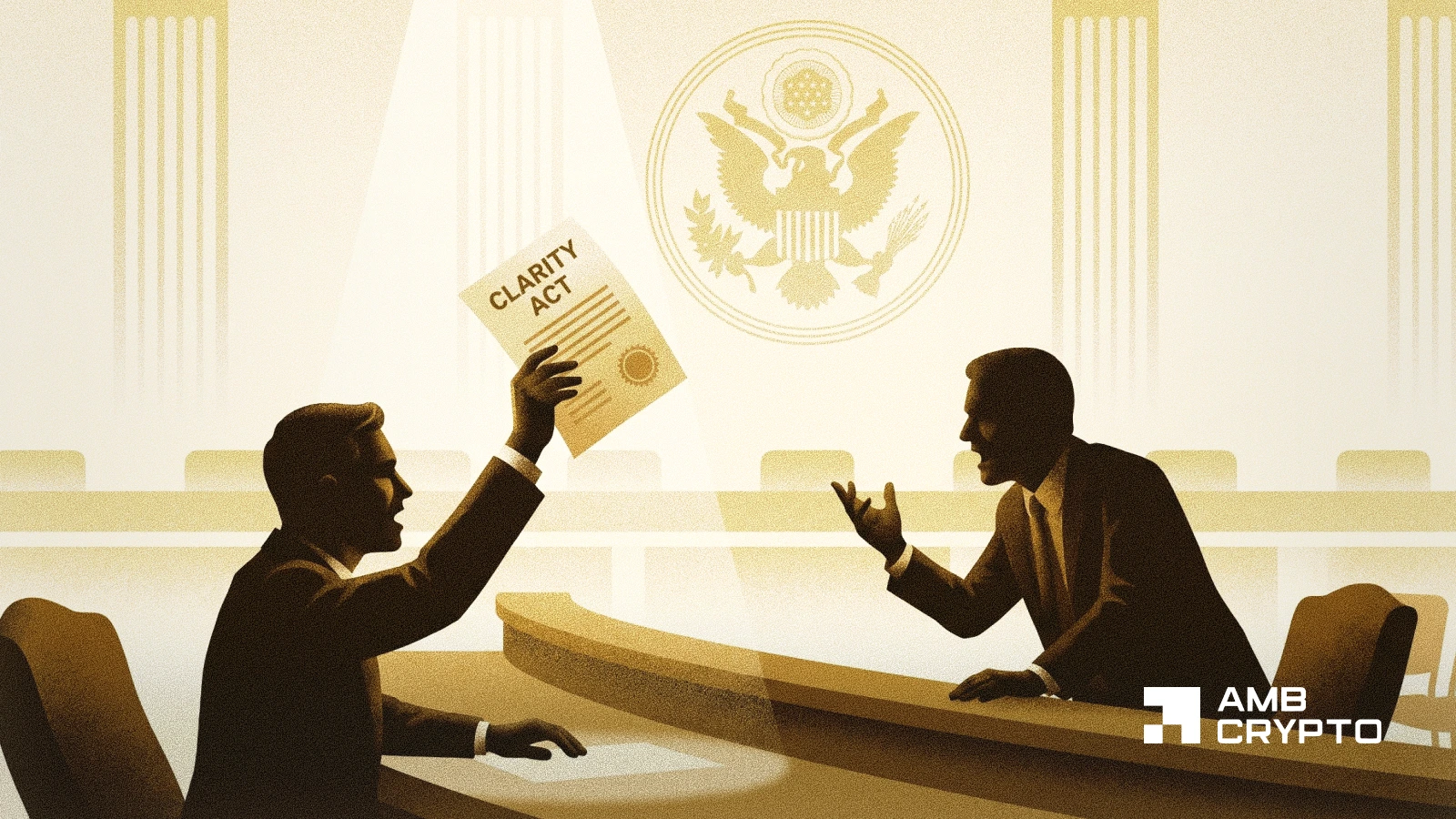
Following the failure of the CLARITY Act to advance in Congress, the Securities and Exchange Commission has announced plans to provide regulatory clarity to the cryptocurrency industry through a new exemption package.
SEC Chair Paul Atkins introduced Regulation Crypto Assets in August, framed as a measure to "facilitate capital formation and allow crypto asset innovation to flourish in the United States." The proposal includes a safe harbor provision that would allow issuers to self-certify their instruments as non-securities.
John Reed Stark, founder and former chief of the SEC's Office of Internet Enforcement with over 18 years at the agency, has publicly opposed the plan. In remarks posted on social media, Stark contends that the regulation exceeds the SEC's exemptive authority under Securities Act Section 28 and Exchange Act Section 36, and contradicts the agency's own litigated positions developed over decades.
Stark's central argument centers on the separation of powers. He argues that the SEC's self-certification safe harbor provision improperly delegates authority to issuers, allowing them to determine whether their instruments qualify as securities. More broadly, he asserts that matters of such significance should be decided by Congress rather than by regulatory action.
Stark cited the CLARITY Act's failure to secure a cloture vote as evidence that crypto market structure questions belong in the legislative branch. "The CLARITY Act's tortured journey is not irrelevant legislative noise," he stated, invoking the major questions doctrine—a legal principle limiting executive agency authority over matters of substantial economic or political significance.
Stark predicted that the proposed regulation would not withstand federal scrutiny, suggesting the SEC prepare for litigation over the new stance on crypto assets.