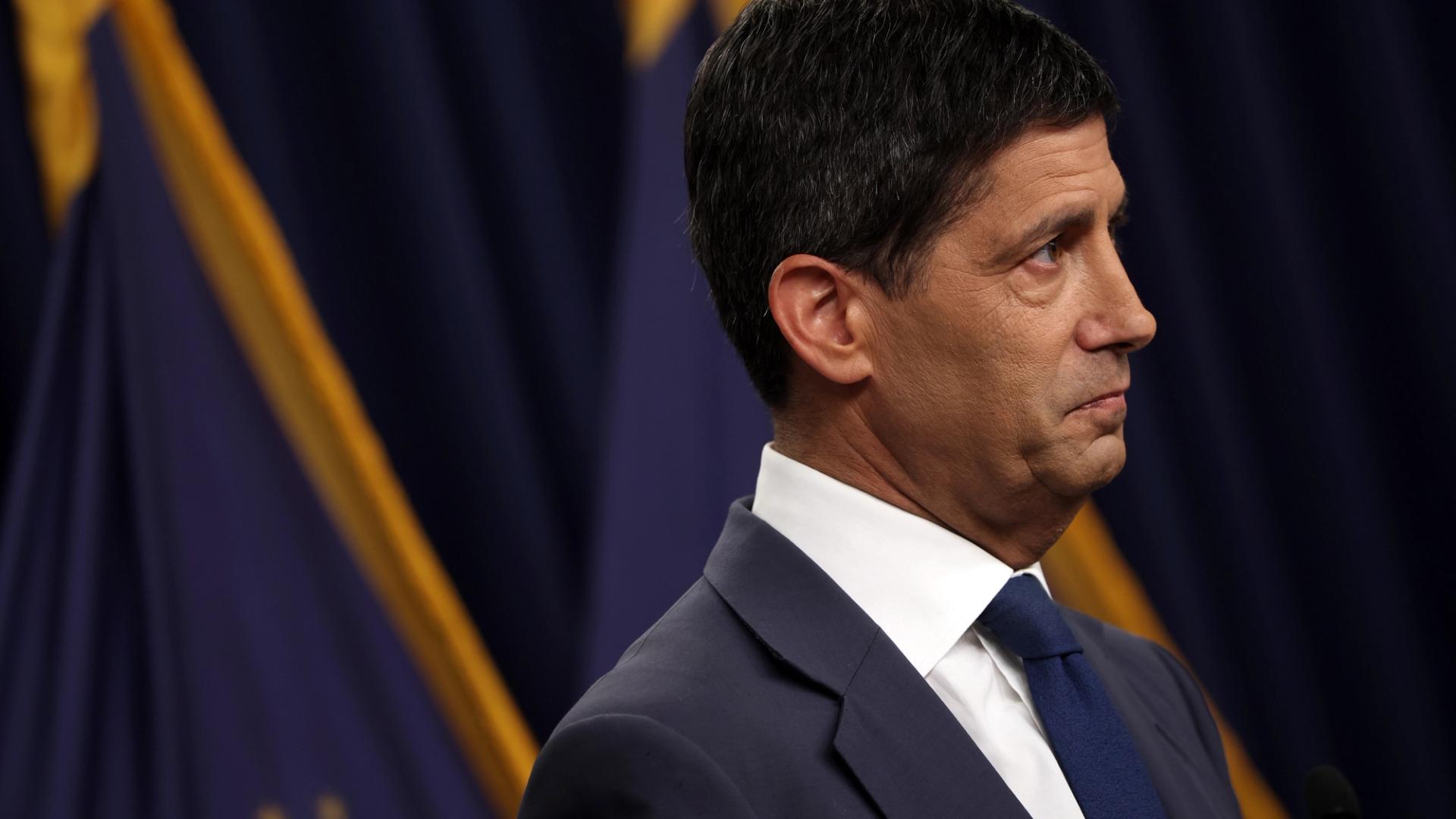
The Federal Reserve's interest rate decision, scheduled for 2:00 PM ET with Chair Kevin Warsh holding a press conference 30 minutes later, presents a difficult backdrop for central bank messaging. Financial markets have almost fully priced in a 25-basis-point rate hike that would lift the federal funds target range to 3.75%-4%, according to the CME's FedWatch tool. Nearly every major investment bank also expects at least one more rate hike before year-end.
This aggressive market pricing creates a communication challenge for Warsh. According to Robin Brooks, a senior fellow at the Brookings Institution and former chief economist at the Institute of International Finance, the central bank may struggle to deliver a message aligned with current expectations. A press conference that fails to match the hawkish pricing already in markets could disappoint investors and trigger a decline in the dollar and a rise in longer-term Treasury yields.
Warsh is known for historical opposition to forward guidance, a stance that complicates the task of signaling future policy direction to markets. If the Fed hikes rates without explicit hawkish forward guidance, investors may conclude that current monetary policy remains too accommodative, potentially pricing in more aggressive tightening in coming months.
A less hawkish tone also risks damaging the Fed's inflation-fighting credibility at a time when recent inflation readings show sticky price pressures and global oil benchmarks have returned above $100 a barrel.
Implications for Cryptocurrency and Yields
Bitcoin traded at $75,800 ahead of the announcement, down nearly 3% over the previous 24 hours, following the Senate's defeat of the Clarity Act. The broader digital asset market faced downward pressure, with tokens including JUP, XLM, and ICP each declining by about 10%.
If the Fed's messaging disappoints markets, a weaker dollar would typically support dollar-denominated assets including bitcoin and gold, which exhibit a well-documented negative correlation with the U.S. Dollar Index. The 10-year Treasury yield is already hovering near 5%, up roughly 80 basis points this year, driven largely by mounting U.S. debt concerns.
Rising yields stemming from an inflation signal rather than optimistic economic growth could benefit non-yielding assets like bitcoin and gold after an initial sell-off. Both are widely viewed as sovereign hedges and stores of value. A higher risk premium demanded by bond investors in response to diminished Fed credibility would also work to support these assets, as yields would rise for reasons beyond favorable economic conditions.